Words & photos:
Simon Chapman
Simon Chapman
Torotoro National Park, Bolivia:
Twenty-three kilometres of canyon
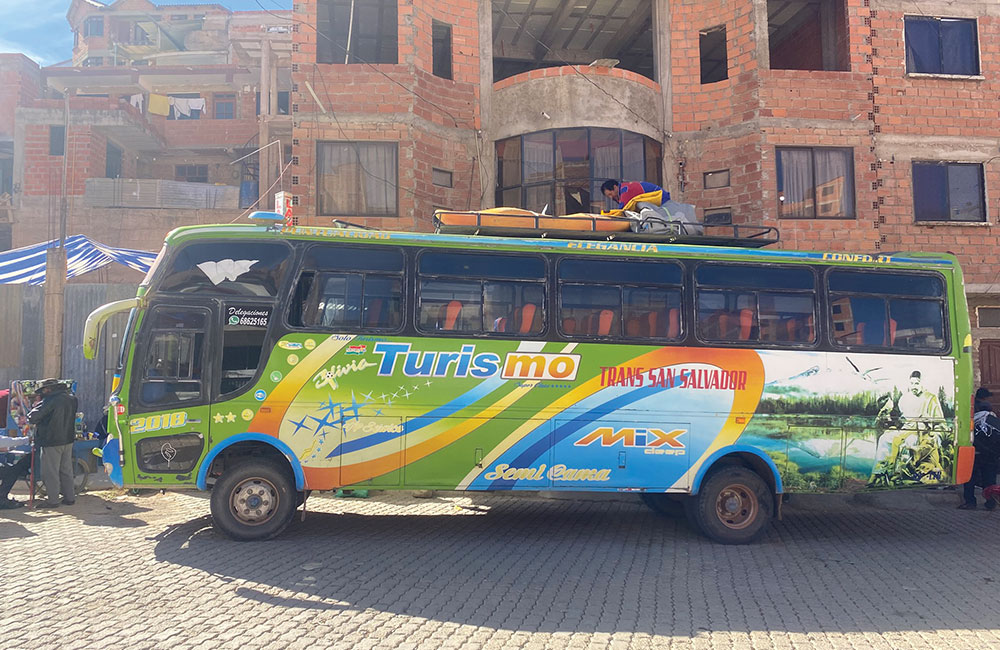
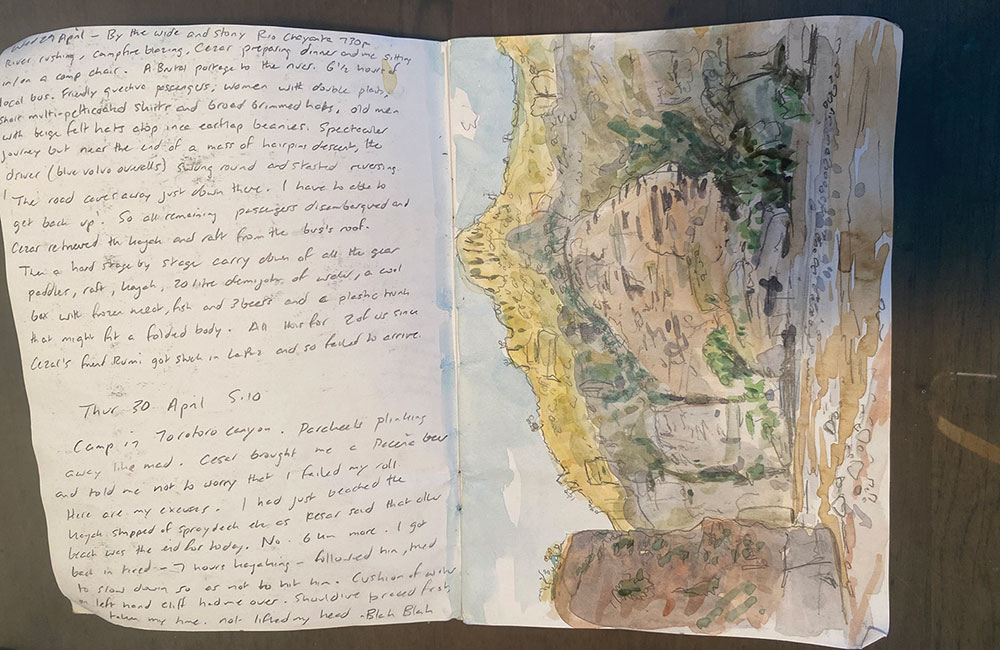
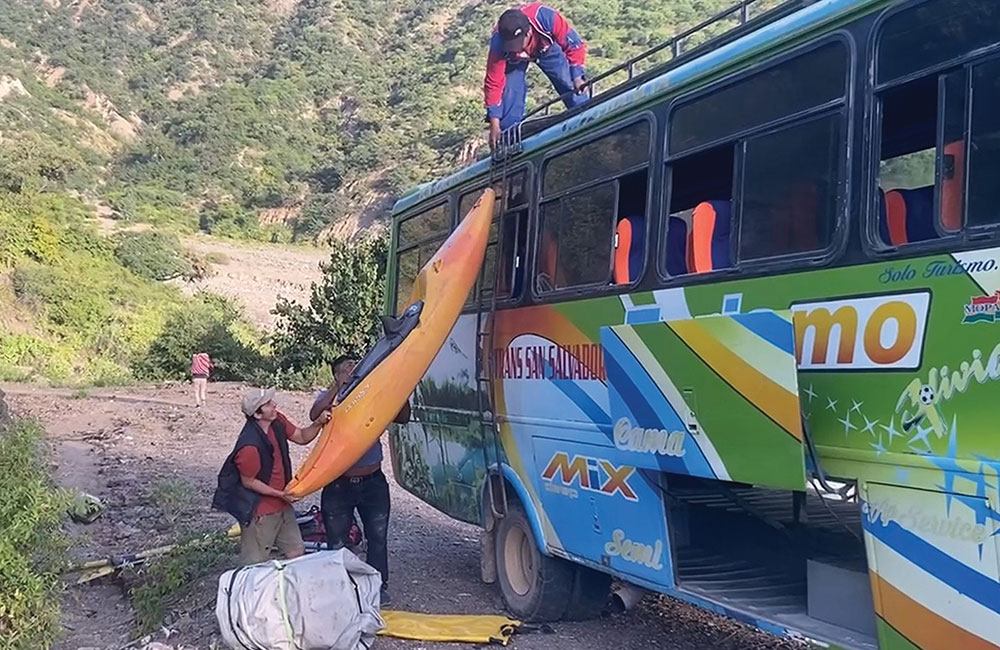
I love Bolivian buses. Where else in the world can you get a ride for your kayak at no extra charge for your three-dollar fare? “Strap it up here on the roof, no problem.” The deflated support raft with its Aluminium poles. “You’re going to have to pay for that, as we can fit it in the underneath luggage compartments.”
Six hours later the road ran out. Switch-backing down a wide Andean valley – arid scrub woodland and cactus- the bus swung round and went into reverse. Even the few remaining passengers looked disconcerted. One hundred metres downhill. Then two. “Pare! Stop, stop, stop!” the guy at the back was yelling. The rear wheels rocked at the top of a chasm where the ground had land-slipped away.
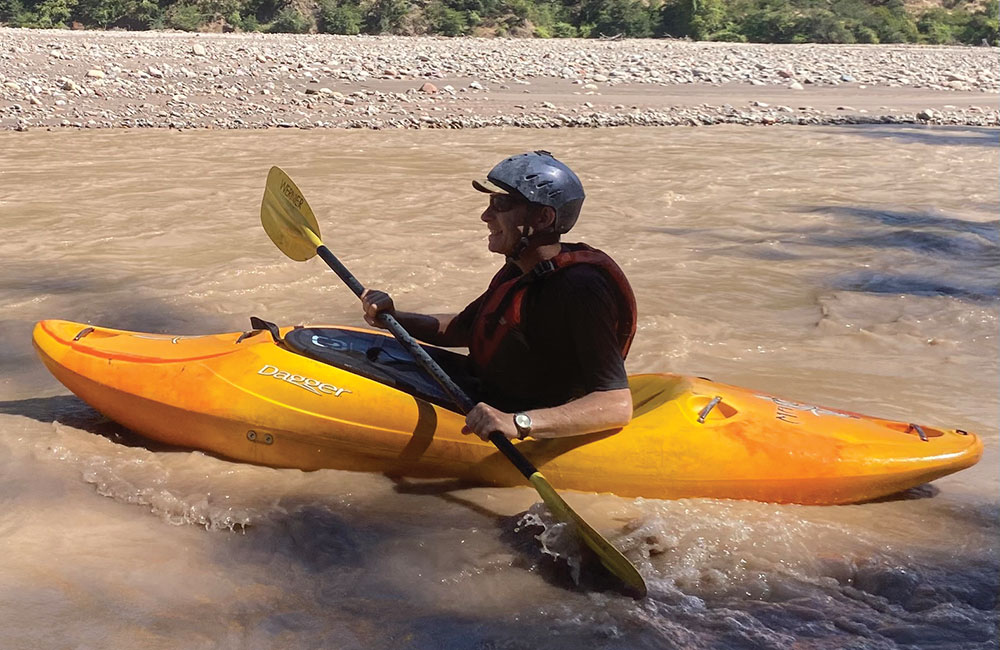
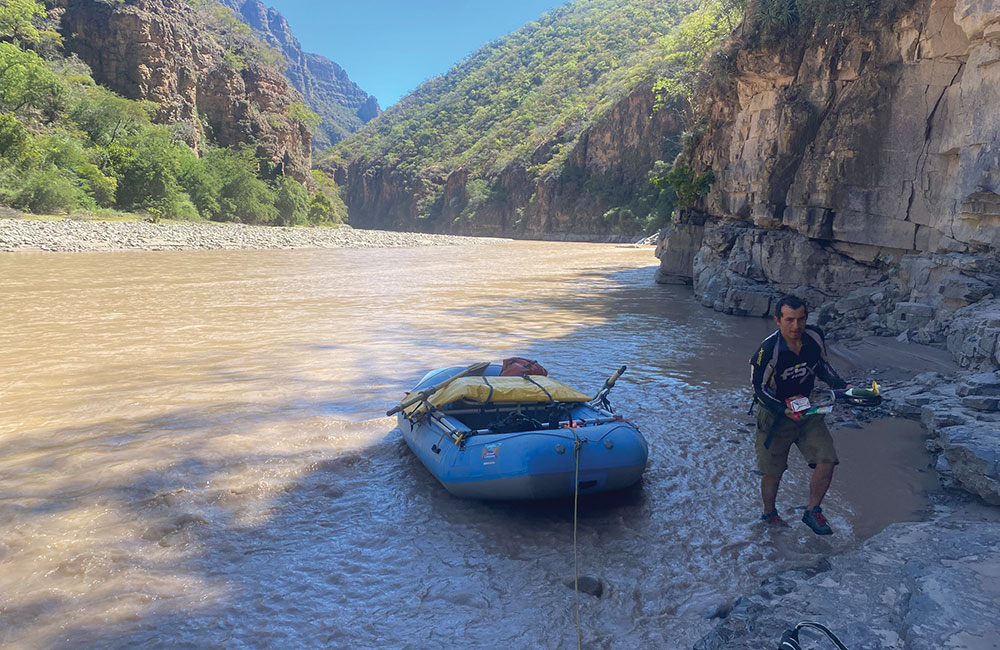
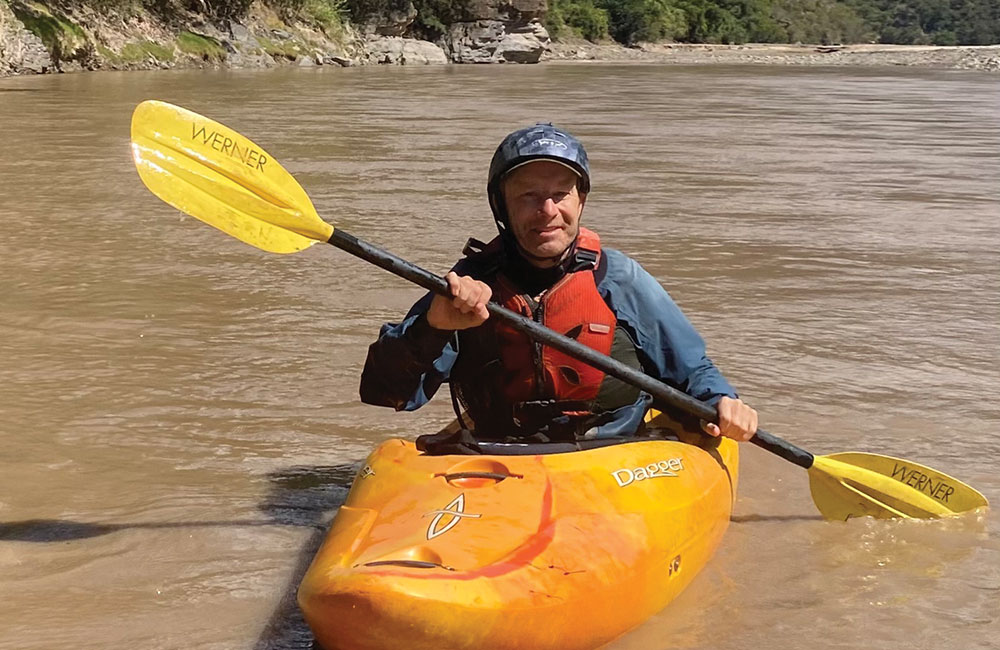
Rocks were slid underneath, and bundles were dumped on the ground ready for the donkeys that seemingly arrived from nowhere. The kayak, an old orange Dagger Mamba, was hefted down.
“Can I come too?” a burly man chipped in. “I live down the Chayanta. It’s a long walk down its banks.”
“Have you seen how far it is just to get to the river?” someone else said, nodding towards the expanse of boulders stretching downwards and across the floodplain. Distant glints of brightness highlighted multiple channels. I expressed my doubts. “Is this going to be deep enough?”
Cesar just shrugged.
An impromptu trip
I had WhatsApped Cesar, a rafting guide in Sucre in the eastern Cordillera, a week before. “Any trips planned?” And received an instant response.
“The Chayanta’s running. We could do the Torotoro canyon and ride the San Pedro and Grande back to my house at Puente Arce. The upstream section of what we did two years ago.”
“Is it easier?” I tapped into my phone. I remembered a great three days of paddling but, with Cesar’s slow raft, no chance of rescue if I came a cropper.
“Grade 2”
“Really?”
“+”
Then, when I didn’t reply immediately
A simple plan. Bus across the mountains to the Chayanta River, and ride down through Torotoro National Park, 23 kilometres of canyon, then another 50 or so to the get-out. One day bus, three days river. And by three days, I knew from previous expedition that Cesar meant three whole days. Dawn to dusk. Not like the day trips I do at home.
Eight hours of concentration, choosing the best lines down unknown rapids, trying not to get too far ahead of Cesar’s raft, or if I followed behind, trying not to hit it. One rapid into the other into the next without letup. Each nightfall, I’d be mentally strung out.
Day two
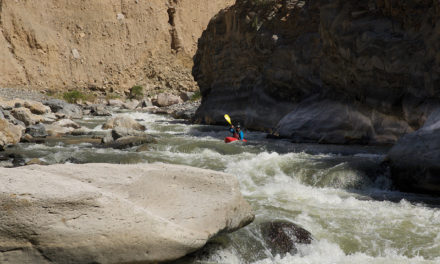
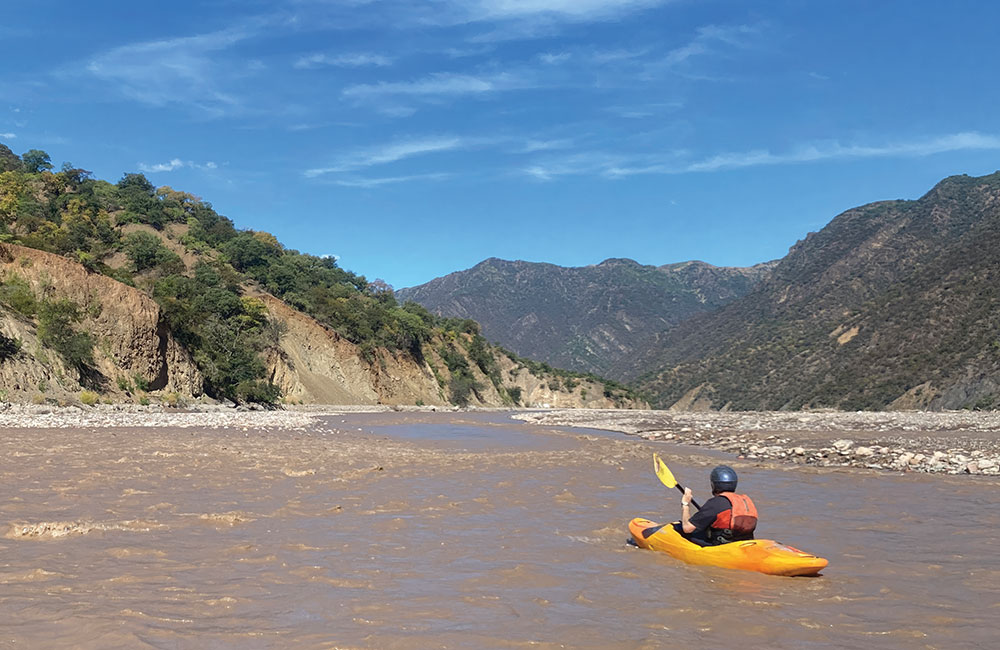
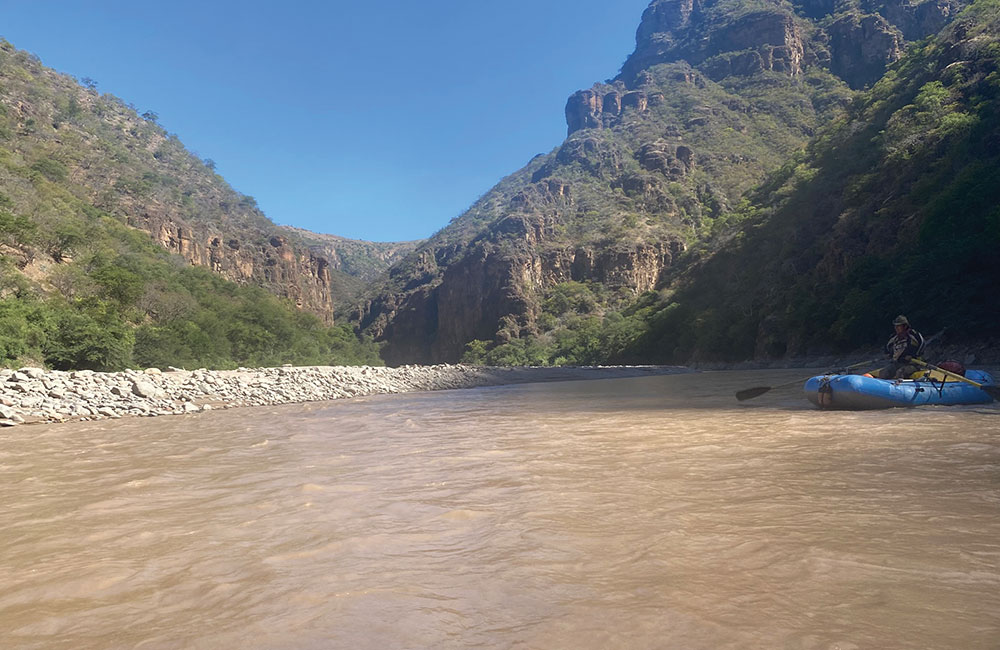
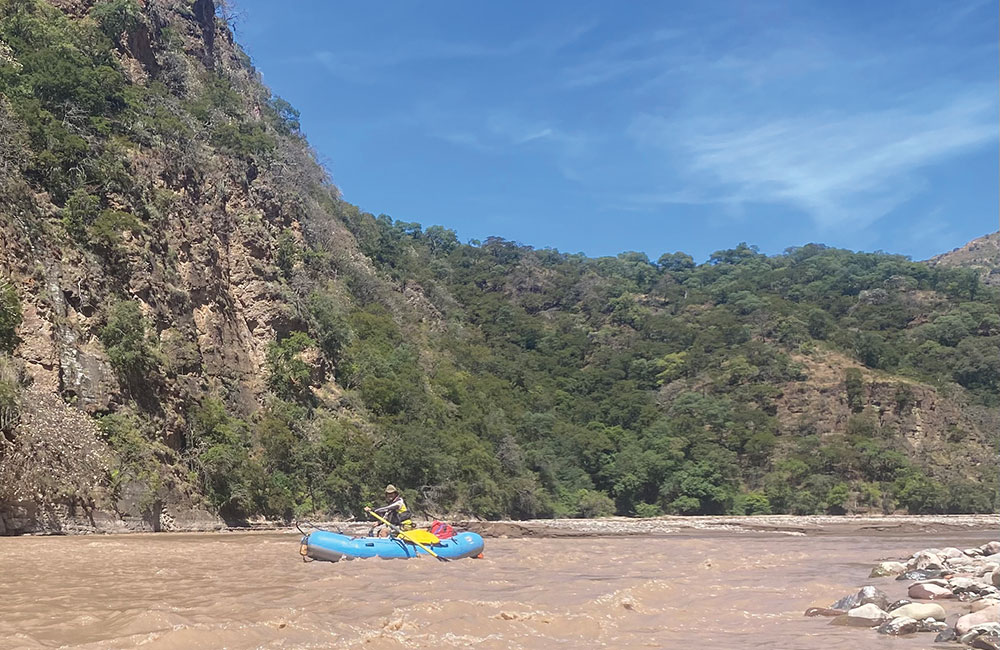
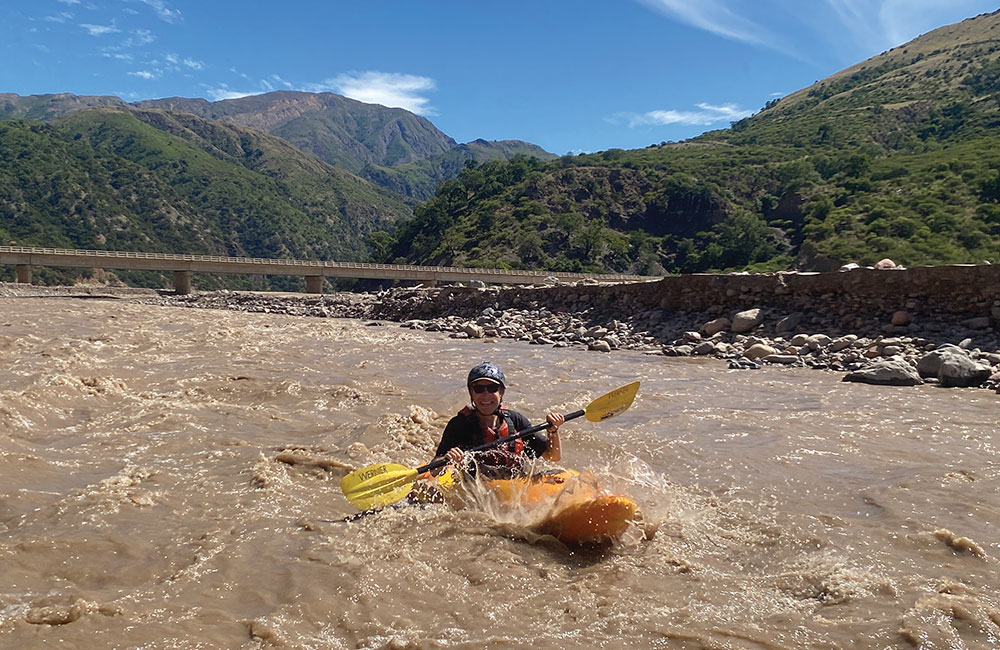
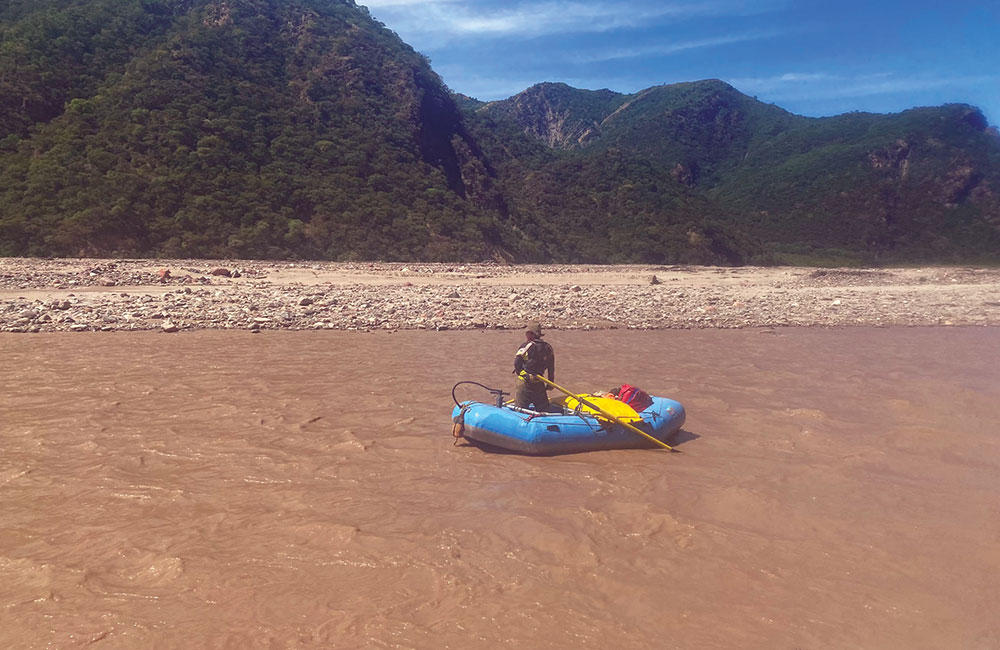
On the Chayanta, choosing the channels with the most flow, bouncing down then paddling hard against the suck-back at every river bend. Brown water rather than ‘whitewater’. The rains, which have stopped two months before, erode so much sediment that the river looks like coffee.
This is the mud that deposits on Amazonian river bends much further downstream. On the calm stretches, between the action-packed river bends, every splash dried into a coating of dust on my buoyancy aid and set my hair like concrete.
Three condors signalled the river closing down into the canyon. They swooped over us then landed amongst the rocks on the river left. Truly huge with wrinkled T-Rex heads, their white wing panels glared out like road warning signs when they took off again.
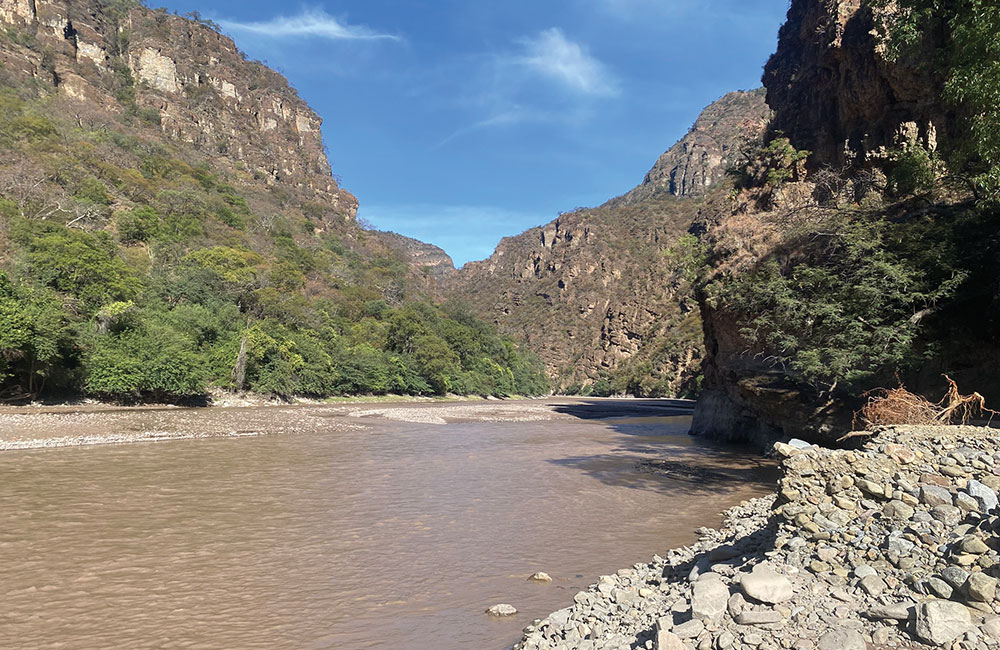
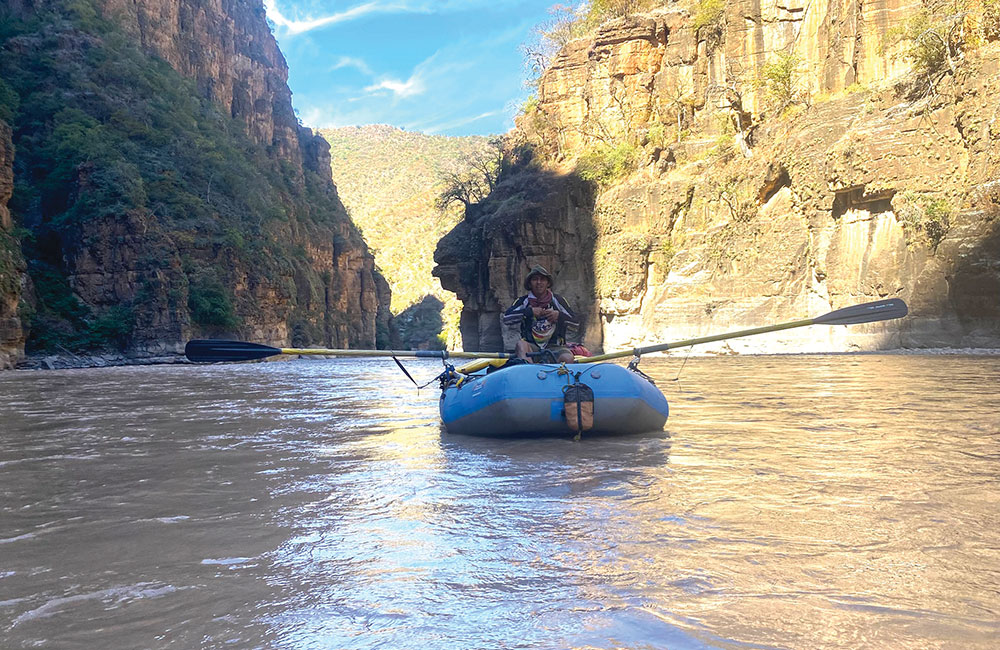
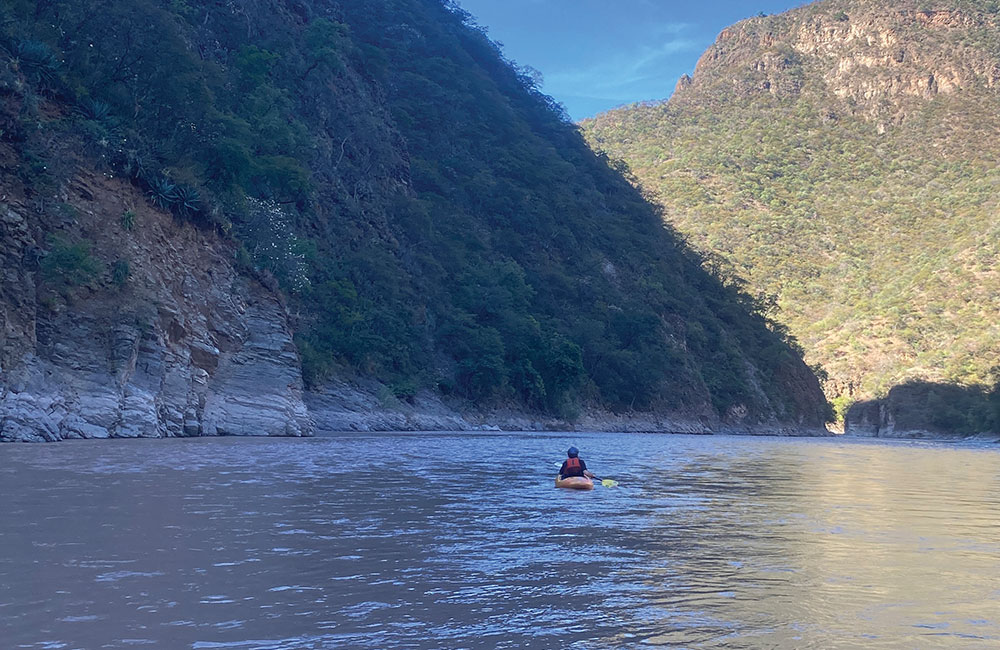
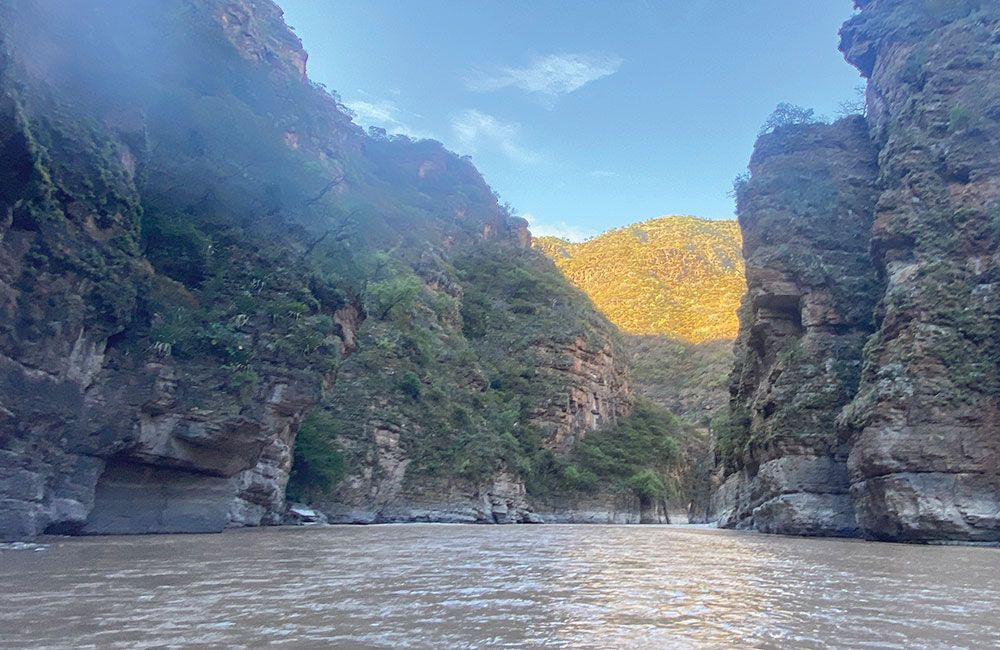
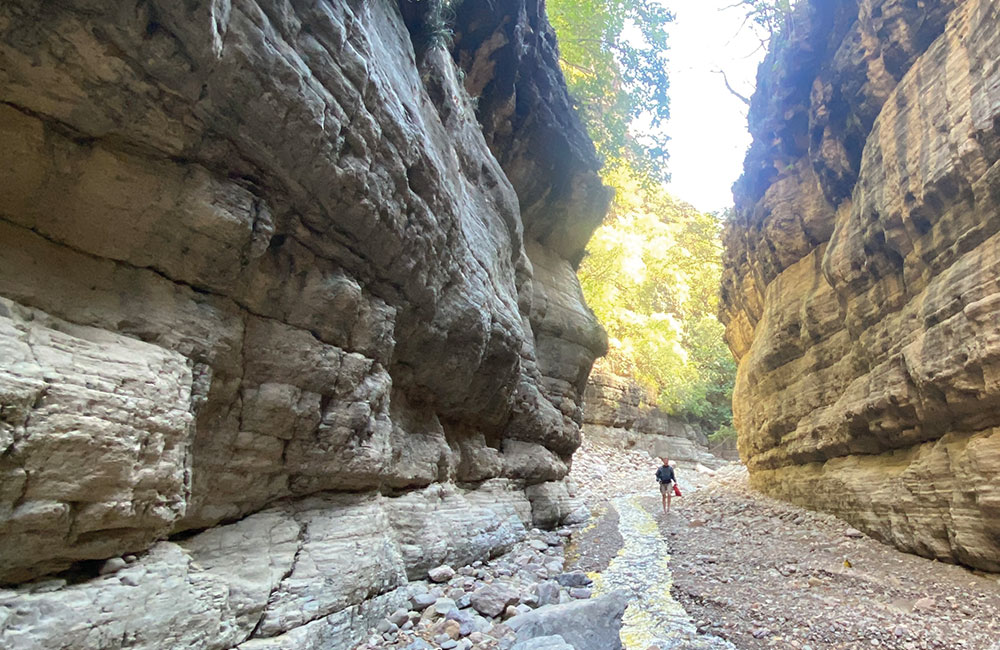
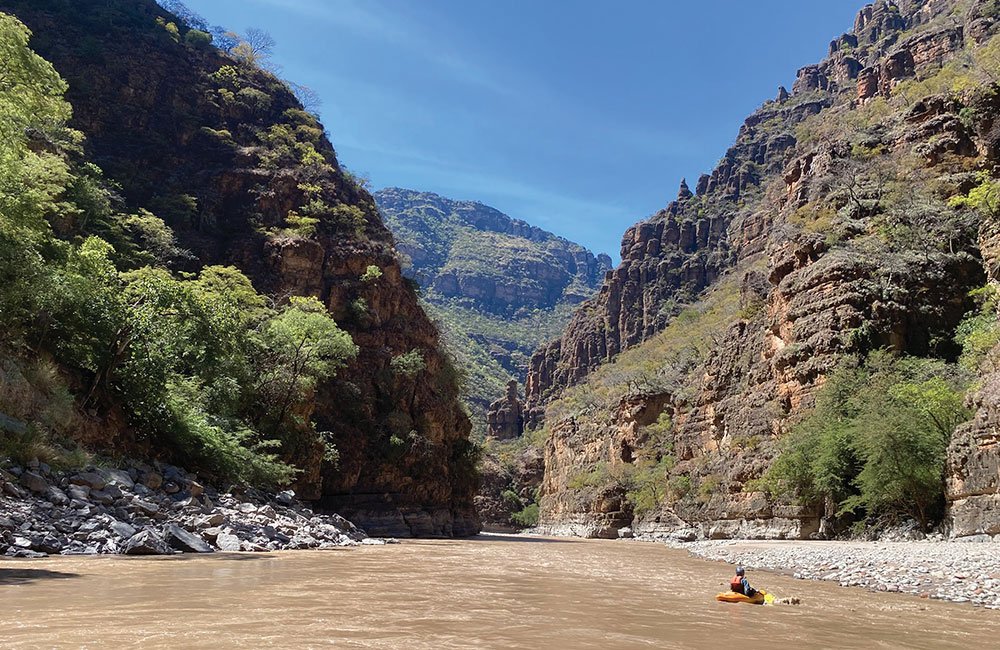
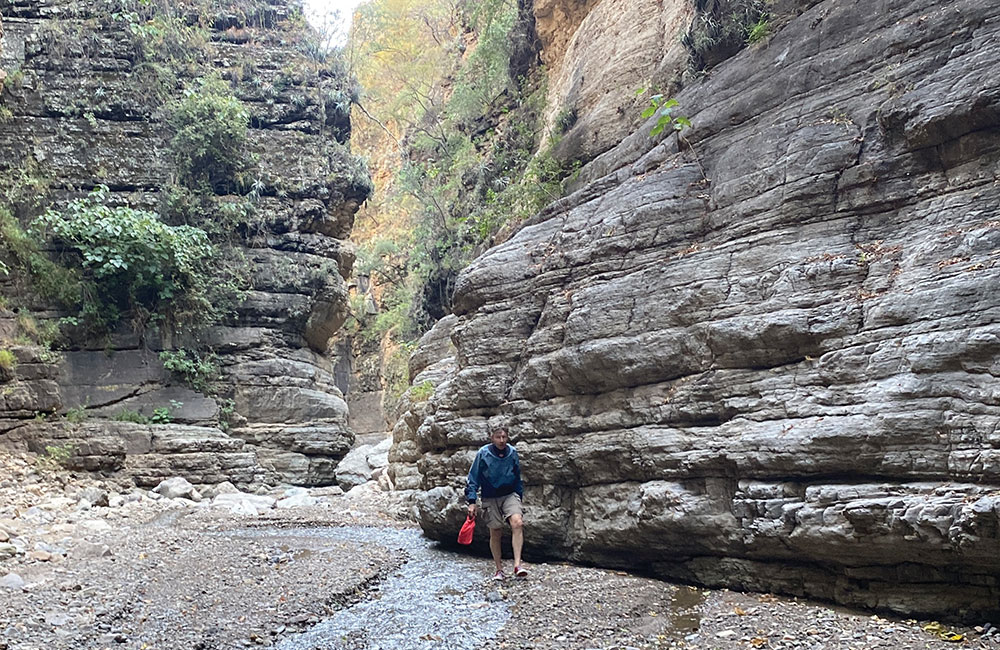
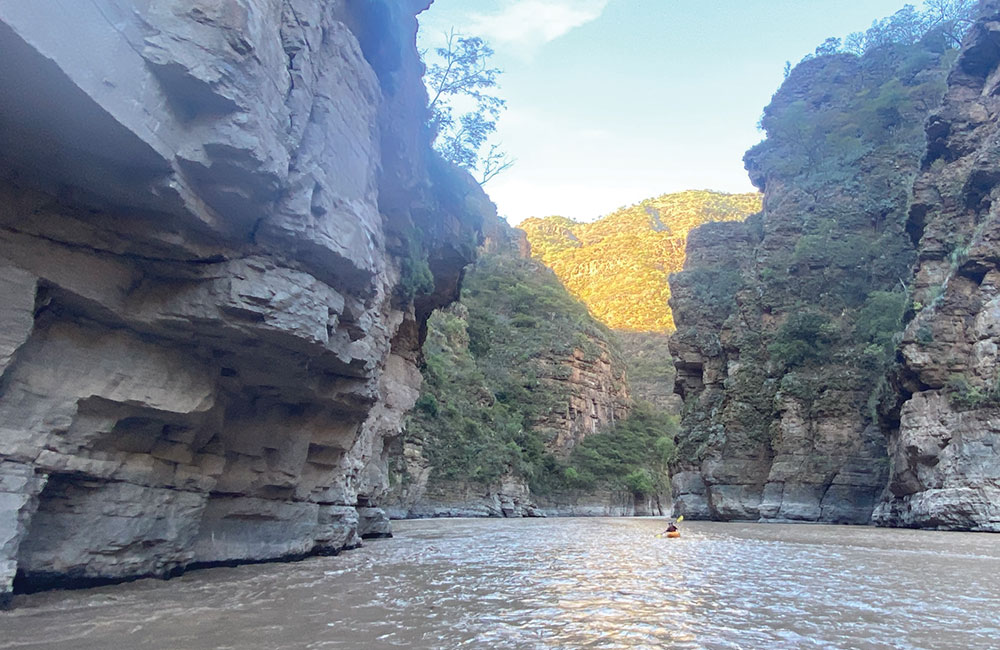
Torotoro is Bolivia’s smallest national park; a geological wonder with folded mountains and, in places, the tracks of sauropods and Cretaceous predators marching up the rock walls. The gorge section is between 23 and 45 kilometres long (depending on where you define it) and 300 metres deep in places. Floating into it is like entering a lost world where you half expect a dinosaur to appear.

The San Pedro
Condors and turkey vultures ride the updrafts. The metallic screeching of green parakeets and endemic red-fronted macaws overlays the booming and hissing of rushing water echoing between the vertical rock walls. The river, now called The San Pedro, zigzags at a perceptible gradient between these cliffs.
Each straight is fast and smooth, but you know you’re headed for a collision with rock before too long. If you’re lucky, the drop-off flows as one channel, though often, boulders deposited at the lip divide the flow.
Picking the deepest one, you hurtle toward the cushion of water that pushes up and tumbles over as it hits the cliff. You swing the kayak around to avoid this, clawing yourself away from the undercuts and definitely not taking the turn wide. Doing this risks the vicious eddies that spin you around, suck you back in, then have you bracing or fending against rock to push yourself back into the main flow.
What works best is riding the cushion high, avoiding the undercuts, then paddling like fury through the boils into the next straight fast section. There’s inevitably another rapid at the next cliff collision, this one a mirror image of the last. Exhilarating! Type-one enjoyment, definitely, though after seven hours I am losing my mental edge.
Embarrassing
Troubles always start when you let your guard down, like when Cesar said there was just one more river bend before we would make camp, and I hadn’t pulled my spray deck on properly, thinking we had already arrived.
Embarrassing to get wet at the end of the day, but more than made up for by the barbecue of plate-sized pacu fish along with beers from the cool box. Times like this, and the ability to carry my camping gear and dry clothes, made me grateful Cesar brought the inflatable raft.
My other swim was on day four, which I assumed would be the easiest, with the canyon section finished – a three-kilometre-long shallow straight with no real rapids.
Nothing to do but float and take in the scenery. I should’ve known better. Four hours in, I was lolling over the back deck, half asleep, baking in the sun when a stream from the right unexpectedly pitched me in.
Bigger, shorter drops
That woke me up. Soon after, the valley narrowed, and the geology changed. Tight meanders now, with bigger, shorter drops. The same river-hits-rock wall rapids, but two of them had car-sized boulders fallen from the cliffs above to liven things up. Twisty-turny; the stuff I love. Like no Grade 2 whitewater I know at home.
That was the ‘plus bit’, Cesar admitted afterwards. Or maybe ‘plus plus’, he chuckled. I have recently passed the Touring leader qualification. Grade two is within my remit, but taking our club’s beginners down here would have been carnage.
We floated on down to where the highway crossed at Puerto Arce, where Cesar is building his own Grand Design house from river boulders – a long, hot portage from yet another set of ‘Grade 2 rapids’. Ice-cold beer by the roadside, waiting for a collective taxi and planning the next trip.
What next? The next stretch of the Rio Grande down, which we had already done, but this time in higher water or perhaps even the Pilcomayo. That’s a 14-day commitment, and Cesar says it’s Grade 4. If his Grade 2s are our Grade 3s, how challenging will this be?