Words & photos: George Shaw
Isle of Man Sea Kayaking
Upernavik Sea Kayaking Expeditions
Into the ice
Sea kayaking in Upernavik, Greenland
Some places stay with you long after you’ve left them. Greenland is one of those places. Over the past five years, I’ve been fortunate enough to take part in several sea kayaking expeditions in East Greenland. The combination of huge mountains, glaciers, icebergs, wildlife and genuine wilderness has always drawn me back. So, when I received a phone call offering me the opportunity to join the guiding team for an expedition to Upernavik, on the north-west coast of Greenland, the answer came pretty quickly. Absolutely.
This was a chance to explore a completely new part of Greenland, but the trip felt particularly significant for another reason. The expedition would be led by my old mentor, Olly Sanders, who introduced me to expedition kayaking during my guide and coach training. Olly is a Senior Instructor at Plas y Brenin and has been involved with the centre for many years.
Olly has spent more than 20 years sea kayaking and climbing in Greenland. His experience in remote Arctic environments is extensive, and he has earned enormous respect within the outdoor community. There was also a possibility that this could be Olly’s final Greenland expedition.
I knew I had to be there.
The journey north
Getting to Upernavik is an expedition in itself. Our route took us from Copenhagen to Nuuk, then Ilulissat and finally north to Upernavik. As the aircraft headed further north, Greenland gradually revealed itself beneath us. The landscape became increasingly wild and remote, with enormous areas of mountains, glaciers, snow and ice stretching towards the horizon. It was spectacular.
For anyone travelling to Upernavik, I’d strongly recommend allowing some time to enjoy the journey. There’s something special about watching Greenland unfold beneath you as you travel further and further north. Eventually, we arrived in Upernavik, ready to begin the real adventure. And, thankfully, our luggage had decided to join us too – always a good start to an expedition.
INTO THE WILDERNESS
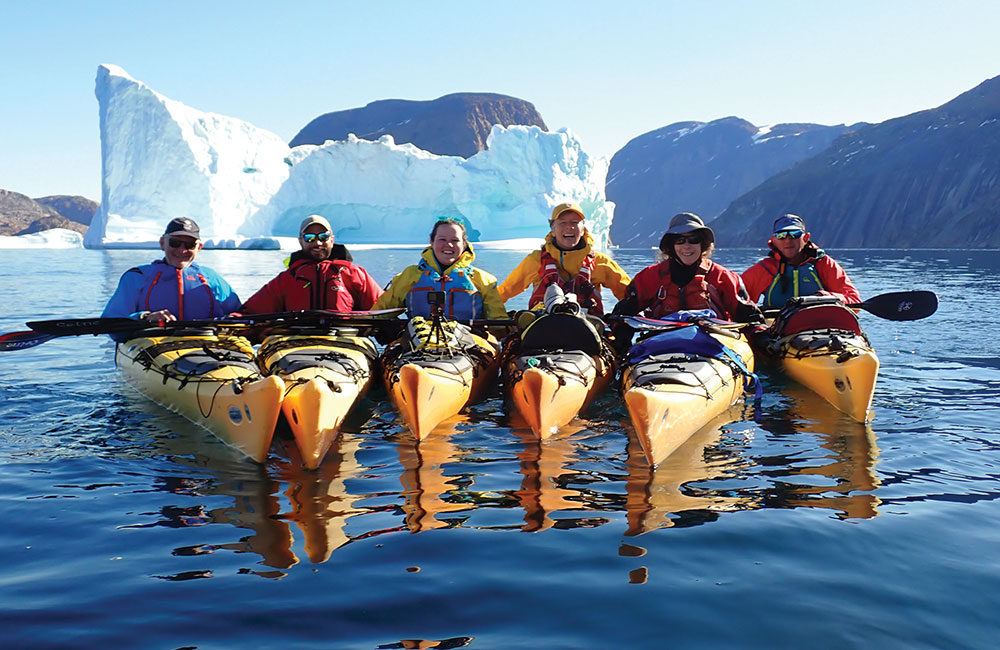
The expedition team consisted of six paddlers accompanied by guides. The paddlers had different levels of experience, but everyone shared the same objective: to explore the coastline around Upernavik and travel toward the glacier and the surrounding ice.
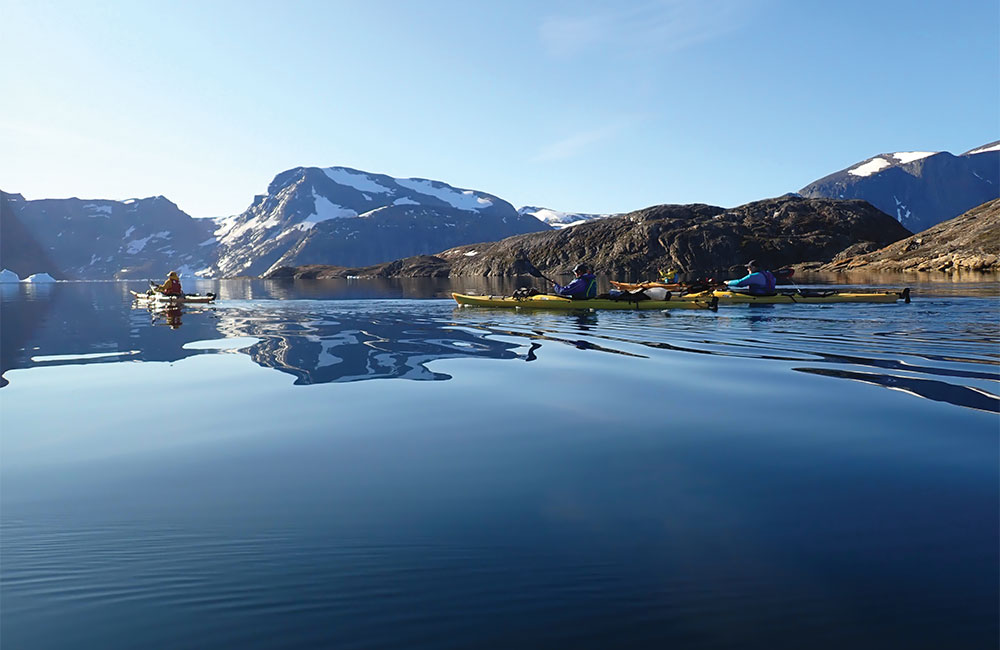
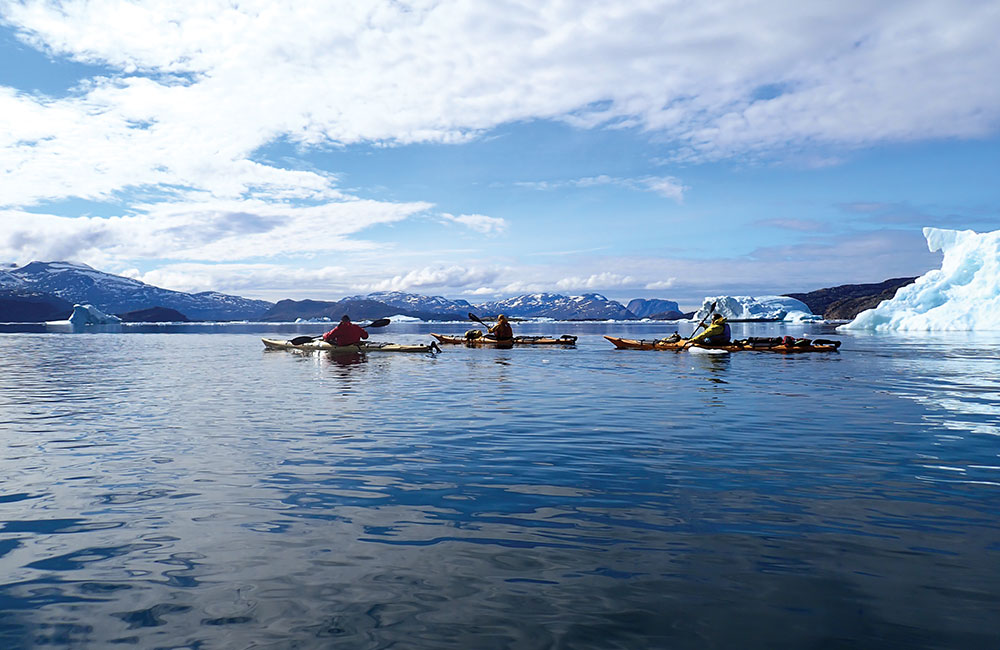
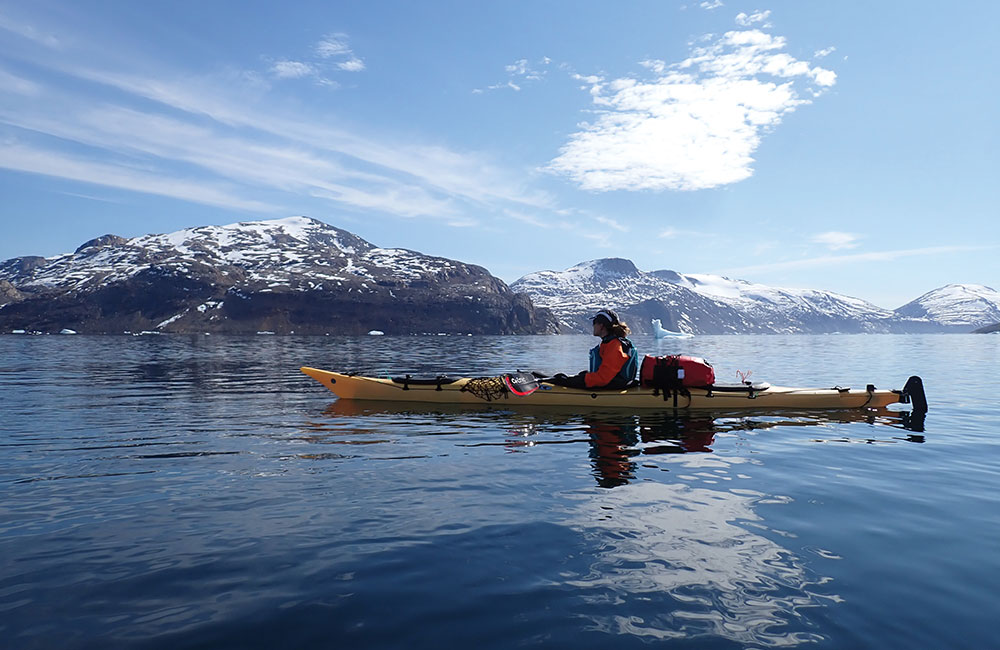
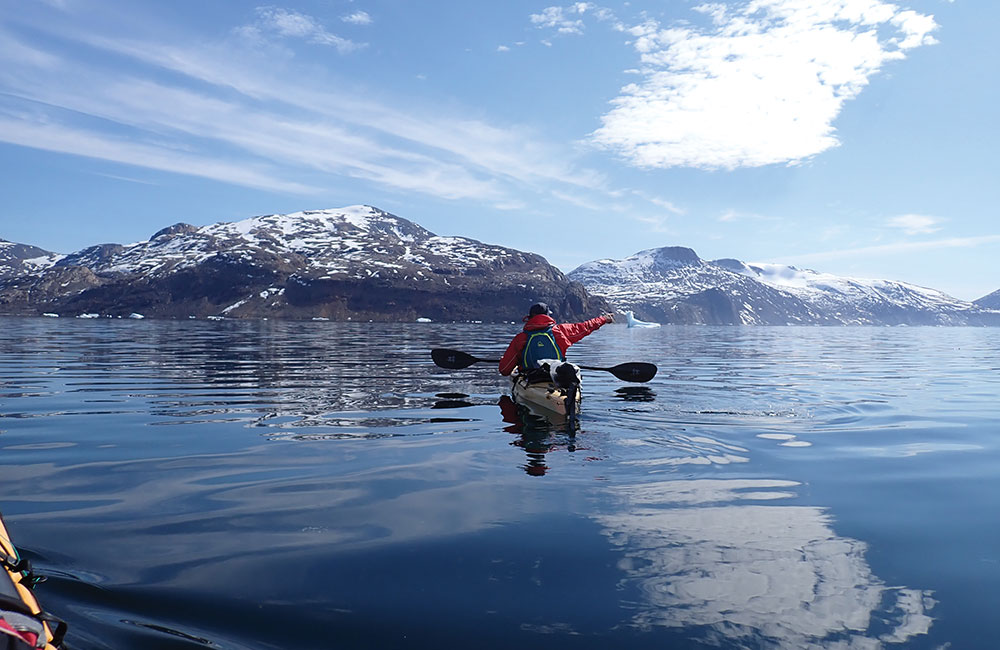
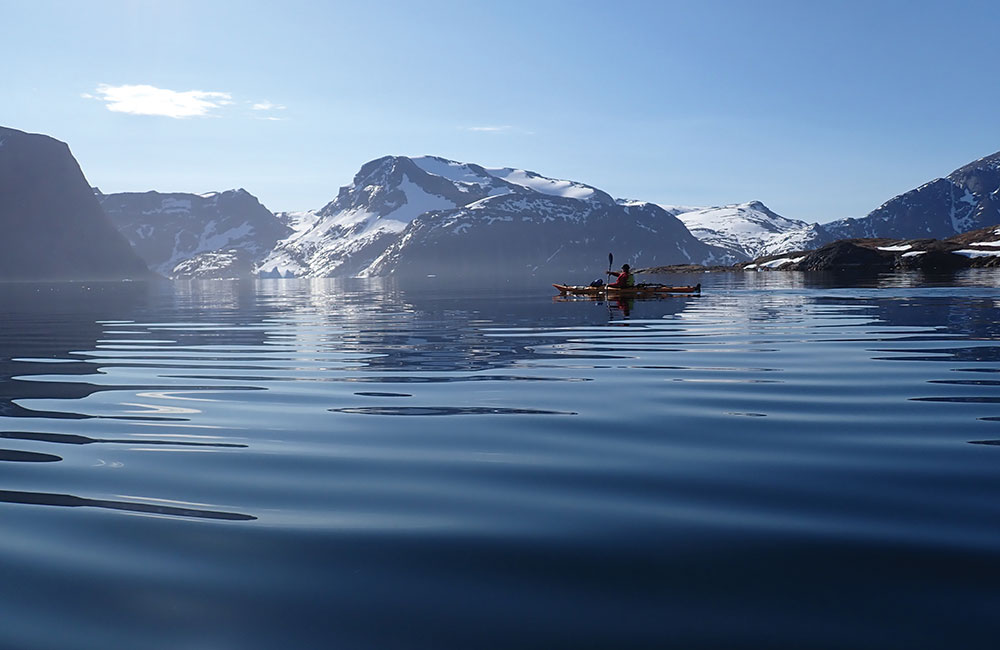
Once the kayaks were packed, the tents and expedition equipment loaded, and the final preparations completed, we left Upernavik. The conditions couldn’t have been better – light winds. Sunshine. Calm water. We headed around a headland and into the shelter of a fjord before making our way towards our first campsite.
It was only a relatively short paddle, but arriving at camp immediately reminded us just how different this environment was. After a short climb, we found a flat area suitable for our tents. We pitched camp, turned around and looked out across the landscape. It was one of those moments when you stop talking.
The view was extraordinary.
ARCTIC WEATHER
Over the following days, Greenland reminded us that the Arctic is never predictable. We experienced almost everything the weather could throw at us: warm spells and brilliant sunshine, fog, wind, rain and even snow.
Conditions could change quickly. One minute we could be paddling beneath blue skies, surrounded by mountains and ice. The next, visibility could disappear into thick fog.
That unpredictability is part of what makes an expedition in Greenland so rewarding. You have to work with the environment rather than against it.
Each day we packed the kayaks, launched from camp and continued northwards towards the Upernavik Glacier. Each evening we searched for another suitable place to camp. And every time we found one, we were rewarded with another spectacular Arctic landscape.
AN UNEXPECTED VISITOR
On the third day, as evening approached, we heard a familiar sound. A whale blowing. We looked out across the water and soon spotted a humpback whale. What followed became one of the expedition’s defining experiences. The whale stayed in the area for several days. Rather than simply passing through, it became a regular presence around our camp and paddling area.
We sat quietly in our kayaks and watched this enormous animal move through the water around us. There is something incredibly humbling about being in a sea kayak with a humpback whale nearby.
You feel very small and very privileged. We also encountered seals and an Arctic fox during the expedition, but the humpback encounter was particularly special. It was one of those experiences that could never have been planned. You have to be there.
LIVING OUT OF THE KAYAK
One of the things I enjoy most about sea kayaking expeditions is the simplicity of expedition life. Everything you need has to fit inside the kayak. Food. Tent. Sleeping bag. Clothing. Cooking equipment. Safety equipment. Navigation equipment. And all the other small things that suddenly become incredibly important when you’re several days into a remote expedition.
The food
Expedition food has a special ability to turn even the hungriest paddler into a food critic. After a long day on the water, however, you’ll eat almost anything put in front of you. And if someone offers you seconds, they immediately become your best friend.
INTO THE ICE
Eventually, we found a particularly good campsite that allowed us to stay for several nights. From there, we could leave camp on foot and make day trips toward the glacier and the surrounding ice.
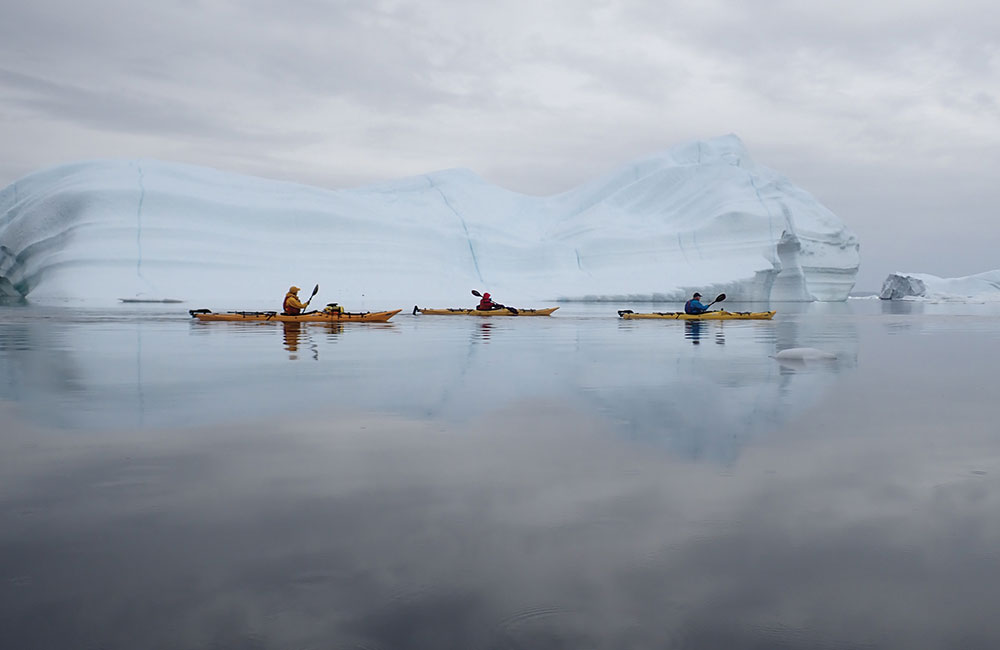
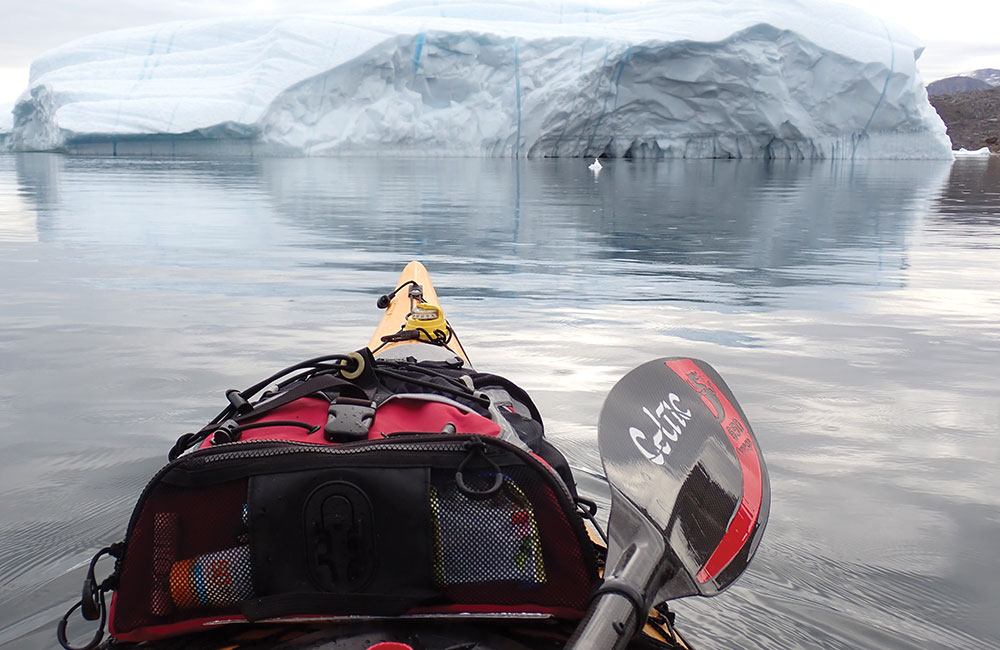
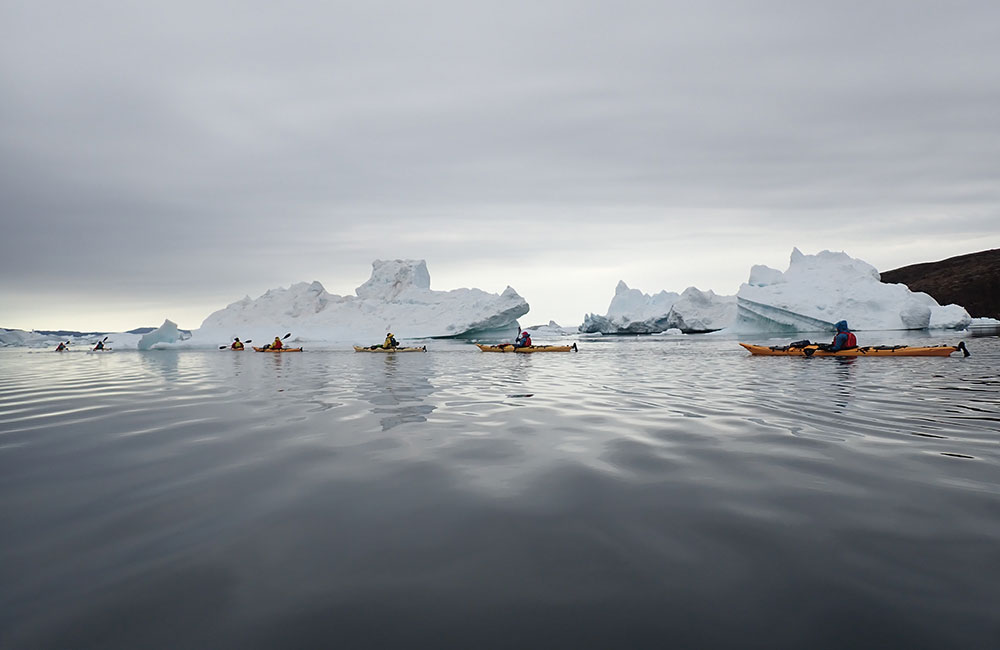
This was where the expedition really began to feel like an Arctic adventure. Paddling through sea ice is difficult to describe unless you’ve experienced it. Huge pieces of ice surround the kayak, each one different from the next. Some are enormous. Some are small. Some are perfectly smooth and sculpted. Others are jagged and fractured.
moves constantly. Some pieces drift slowly with the current, while others collide or break apart with an explosive crack. Occasionally, the ice produces deep, booming sounds that seem to come from beneath the water.
From a sea kayak, you’re sitting almost at water level, surrounded by these enormous floating sculptures. It’s mesmerising. The closer we travelled towards the glacier, the more impressive the landscape became. Mountains rose around us, icebergs drifted through the fjord, and the glacier dominated the horizon. It was difficult not to stop paddling and take it all in.
MORE THAN THE LANDSCAPE
When people think about a Greenland expedition, it’s easy to focus on the obvious attractions. The glaciers. The icebergs. The wildlife. The mountains. The remoteness. And yes, all of those things are incredible. But after years of expedition paddling, I’ve come to realise that the landscape is only part of the experience. The people you share it with are just as important.
On this expedition, I had the opportunity to paddle with people I had never met before and work alongside Olly, someone who had played an important part in my own development as a sea kayak guide. Sharing long days on the water, difficult decisions, good weather, bad weather, spectacular campsites, and evening conversations creates a bond that is difficult to replicate anywhere else.
The best expedition memories are often the unexpected ones. A laugh around the camp stove. The effects of expedition food. A difficult section of water successfully negotiated. A perfect landing on a remote beach. The first glimpse of a whale. Or simply sitting outside the tent with a cup of tea, looking across an Arctic landscape. Those moments stay with you.

THE PEOPLE MAKE THE EXPEDITION
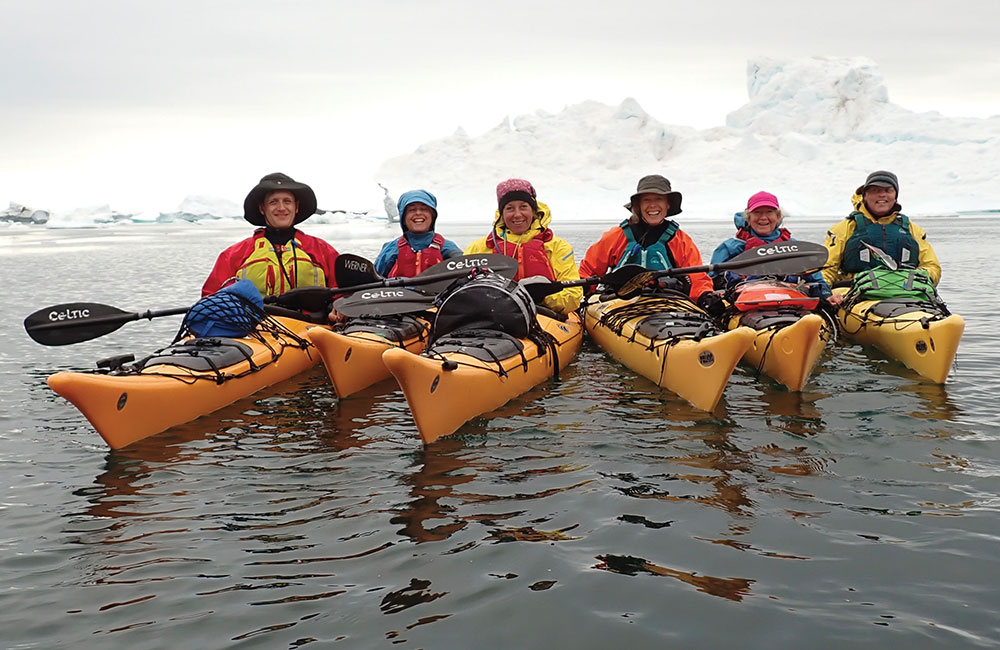
One of the things that makes a good expedition a great expedition is the people you share it with. You can have the most spectacular scenery in the world, perfect weather and icebergs as far as you can see, but if you’re stuck with a group that doesn’t gel, it can take ten days. Thankfully, we were incredibly lucky.
We had a fantastic group of people on this expedition, each bringing something different to the team. There was a real mixture of personalities, experience and backgrounds. Still, from the start there was a feeling that everyone was there for the same reason — to have an adventure, look after each other and make the most of being in such an incredible place. And that really showed once we were out there.
Expedition life has a funny way of helping people get to know each other quickly. You spend long days together in kayaks, you share campsites, you cook together, you make decisions together and, occasionally, you discover who snores the loudest. There’s nowhere to hide in a tent in Greenland.
The laughs around camp were just as important as the paddling. After a long day on the water, it didn’t take much to get everyone talking. A cup of tea, something to eat, and a bit of banter around the stove could easily turn into an evening of stories and laughter. Everyone pulled their weight.
Whether it was helping someone land a kayak, carrying boats above the high-water mark, getting tents up in difficult weather, preparing food, or simply checking that everyone was warm and happy, there was always someone willing to lend a hand. That’s what you want from an expedition team.
You don’t necessarily need everyone to have the same experience. In fact, I think it’s better when they don’t. What matters is attitude — being willing to learn, helping each other and being prepared to get stuck in when things aren’t quite going to plan. And we certainly had a few moments when things didn’t go to plan. But nobody moaned. People just got on with it.
OLLY
For me, having Olly lead the expedition made it particularly special. Olly was one of the people who helped introduce me to expedition kayaking during my guide and coach training, so I’ve known him for many years. He brings a huge amount of experience to an expedition. He has spent decades exploring and guiding in remote environments, including numerous expeditions to Greenland, and his knowledge of the area is exceptional. But what I’ve always appreciated about Olly is that he doesn’t make a big thing about that experience. He just quietly gets on with it.
There’s always a plan, there’s always a reason for doing something, and when the weather or ice throws a curveball at you, he has the experience to step back, assess the situation and make the right call. There is also, apparently, one essential piece of expedition equipment that should never be forgotten… coffee.
decent supply of coffee seems to be well established, and I can confirm that this is not simply an Arctic Club rumour.
PETRA
Petra was another important part of the team, joining us as an additional helper guide. Her support throughout the expedition was hugely appreciated. Having another experienced person in the team makes a real difference on an expedition. There are always jobs that need doing — whether that’s helping with the boats, keeping an eye on the group, supporting people on the water or helping around camp. Petra brought enthusiasm, good humour and a willingness to get stuck into whatever needed doing. And that’s exactly what you want from someone on an expedition.
THE GROUP
But really, this section isn’t about picking out individuals. It’s about the group as a whole. Watching everyone grow into the expedition was one of the most rewarding parts of the trip. People became more confident with the kayaks, more comfortable around the ice and more familiar with the routines of expedition life. By the end, things just seemed to happen naturally. Someone would start unloading the boats. Someone else would be getting the tents ready. The stove would appear. Food would be produced. And before long everyone would be sitting around talking about the day.
That’s when you realise you’ve stopped being a group of people who came on the same trip and have actually become an expedition team. For me, that is one of the best things about sea kayaking expeditions. The landscape might be what gets you there in the first place, but it’s the people you share it with who often become the strongest memory.
I came home with photographs of glaciers, icebergs and whales, but some of my favourite memories are much simpler. A laugh in camp. A bit of friendly banter after a long day. Someone helping another paddler carry a kayak. Sitting around the stove with a brew. And the feeling that, for those ten days, we were all part of something pretty special. That’s what a good expedition should be about.
WOULD I GO BACK?
Without hesitation. Absolutely. Upernavik allowed me to explore a completely new part of Greenland, but more importantly, it reminded me why I love expedition sea kayaking. It isn’t simply about travelling to spectacular places. It’s about slowing down, living simply, immersing myself in the environment, working as a team, and allowing the landscape to dictate the pace of the journey.
For ten days, our world became our kayaks, our tents and the wilderness around us. No roads. No schedules. No unnecessary distractions. Just Greenland. And when you’re sitting in a sea kayak, surrounded by icebergs, watching a humpback whale surface nearby, it’s hard to imagine anywhere else you’d rather be. Will I be back? You already know the answer. Absolutely.
ACKNOWLEDGEMENTS
A special thanks to Plas y Brenin Embark to Greenland Expedition for their support in organising and putting together these Upernavik expeditions. Their experience and commitment to creating opportunities for paddlers to experience remote environments played an important part in making these expeditions possible.
I’d also like to say a huge thank you to Petra, who joined us as an additional helper guide. Her support, enthusiasm and contribution to the team were greatly appreciated and helped make the expedition such a memorable experience. And finally, a special thank you to Olly for the opportunity to be part of the expedition and for sharing his considerable knowledge and experience of Greenland.
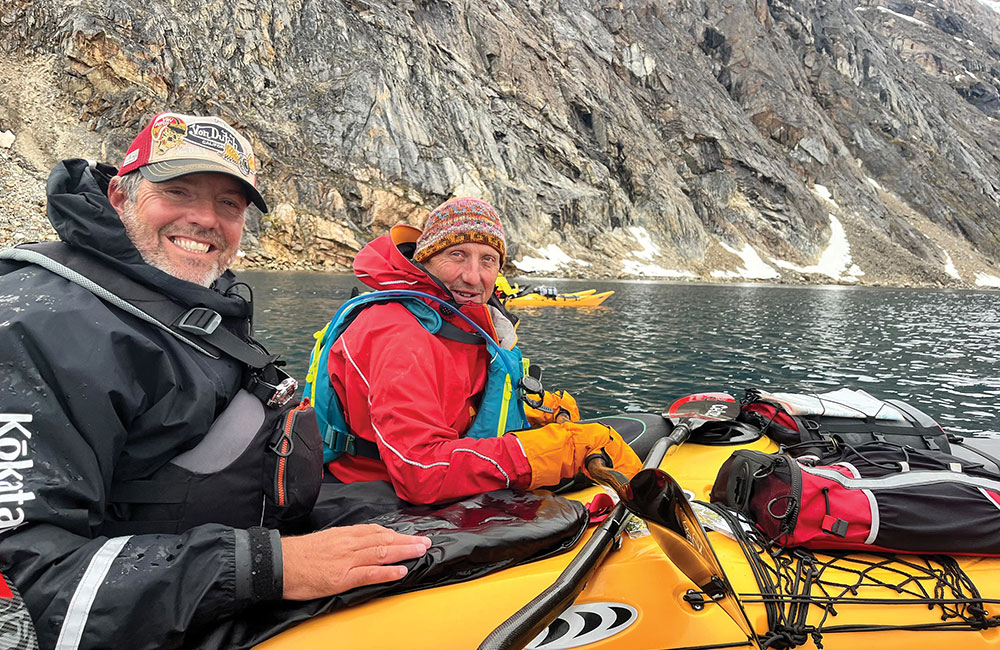
WITH THANKS TO MY SPONSORS
Kokatat, Celtic Paddles, ZOLEO, Patagonia Whetman Equipment. The best kit for some of the wildest places on the planet.