Words:
Richard Harpham
Photos:
Richard Harpham &
Ashley Kenlock
Richard Harpham
Bio
Richard is a human powered adventurer and inspirational speaker who has completed over 10,000 miles of expeditions by kayak, canoe, bike and on foot including exploring the Yukon, cycling the Sahara and Canada’s Inside Passage.
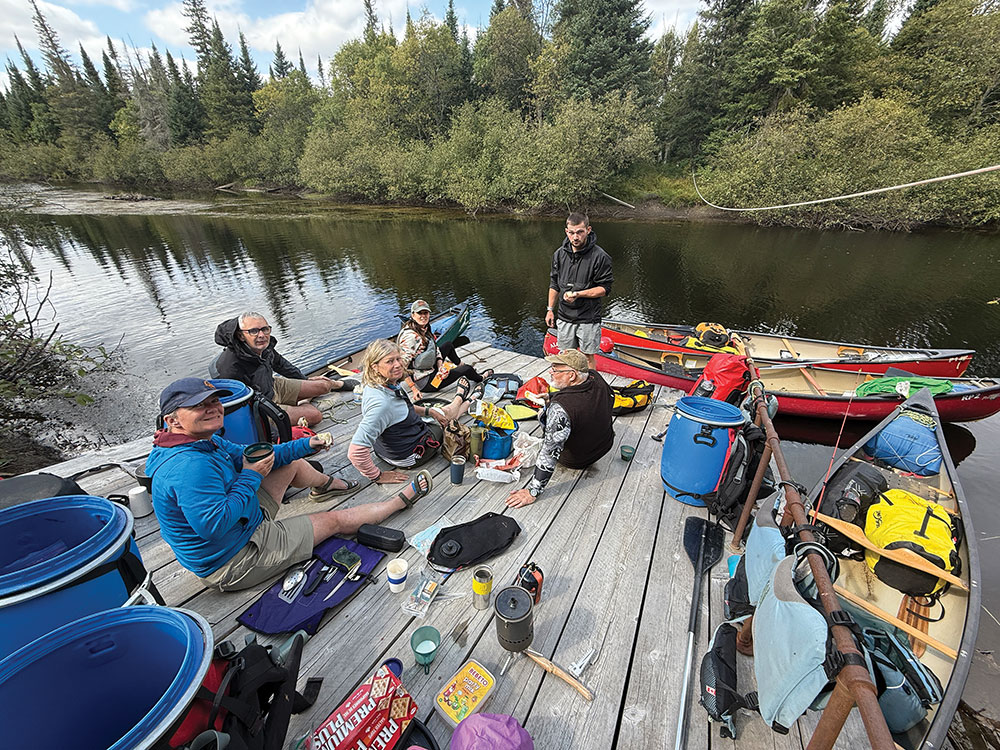
At home he runs www.canoetrail.co.uk, a watersports and adventure business with his wife Ashley in Bedfordshire providing qualifications, canoe camping, coaching and paddling trips to some of the UK’s and world’s best locations. He is the former editor of Bushcraft and Survival Magazine and writes for Outdoor Adventure Guide, MoD’s Resettlement magazine and the Paddler magazine.
His adventures are supported by: Flint Group, Paramo Clothing, Olympus Cameras, Valley Sea Kayaks, Silverbirch Canoes, Bamboo Clothing, MSR, Canadian Affair, Osprey Rucksacks, Extreme Adventure Foods, Air North, Reed Chillcheater and Exposure Lights. You can follow his adventures through social media & @ www.richadventure.com
So you want to get off-grid, rewild, and enjoy the… great outdoors
How to develop wilderness guide skills and qualifications. Paddle UK, our National Governing Body (NGB) for paddlesport, all things canoeing, kayaking and stand-up paddle boarding, introduced guide modules some time ago to provide a pathway for expeditions and trips and to build knowledge, so people can tackle them safely and responsibly. The framework consists of five modules, offered through a network of qualified coaches, followed by a period of consolidation and then endorsement, to be signed off upon completion of at least three modules. The five core modules are:
1) Trip Planning and Organisation,
2) Campcraft and Expedition Skills,
3) Environmental and Sustainability,
4) Customer Experience (hosting) and
5) Leadership.
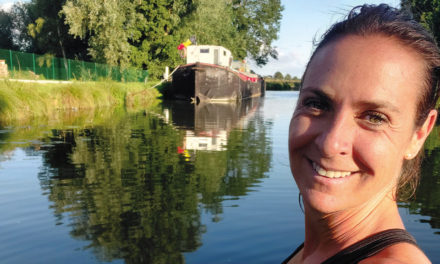
In this series of articles, Richard Harpham FRGS and Ashley Kenlock will unwrap the guide modules further and help make them more accessible to experienced paddlers and leaders. Rich recently completed his 15,000th mile of human-powered expeditions alongside his wife and co-director of Canoe Trail, Ashley Kenlock. The first module we will explore is trip planning and organisation, which will help paddlers, clubs, and groups plan trips in the UK and overseas.
Top tip: Paint your adventure canvas your way, whether it’s wildlife, time spent with friends, following a historic route or a challenge, they are all valid. Consider the craft you want to paddle and its suitability for the environment and plan.
Planning and research
There are plenty of useful acronyms and sayings to help shape this element of the trip; often, a pitfall is failure to spend time on this aspect. One saying: “Fail to Prepare, then Prepare to Fail!” Or the six P’s Prior Planning Prevents P*ss Poor Performance! For us, as professional adventurers, one of the most useful aspects of our day job is good old-fashioned maps and books. These can be supplemented with Google Maps imagery and by searching for previous trip reports.
Top tip: Visit charity shops and Facebook to find old guidebooks that others are relinquishing from their collections. Be aware that some maps may not show all features and hazards of a river, coastal corridor, or open water.
Weather and environmental conditions
We often blame weather forecasters for strong winds, rain, and other inclement conditions, but in reality, it is not an exact science. Understanding the weather system and forecast in our experience usually requires several sources, local knowledge where possible and constant revisit of the position as time ticks by. We often say, “The Best You will Achieve Against the Weather is a Score Draw,” in other words, you won’t beat it.
We use a range of weather sources and apps, including Windy, Windfinder Pro, Met Office and weather forecasts with synoptic charts. The wider environmental conditions will include other factors such as the catchment area of a river system, overfalls and tide races on the sea and fetch and wind patterns on open water.
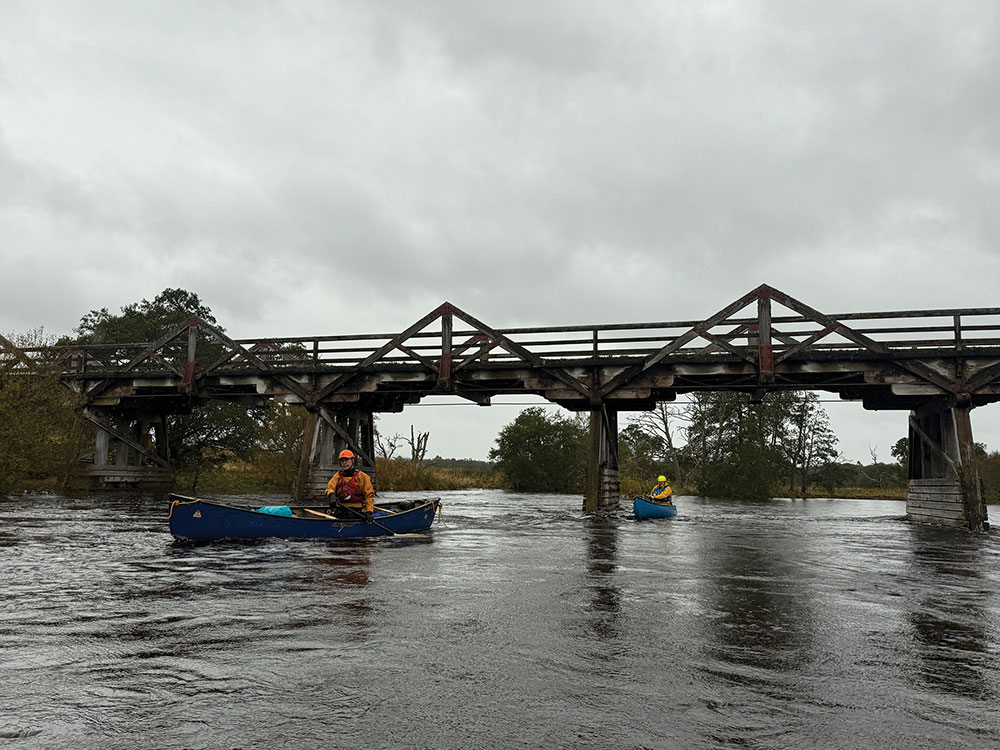
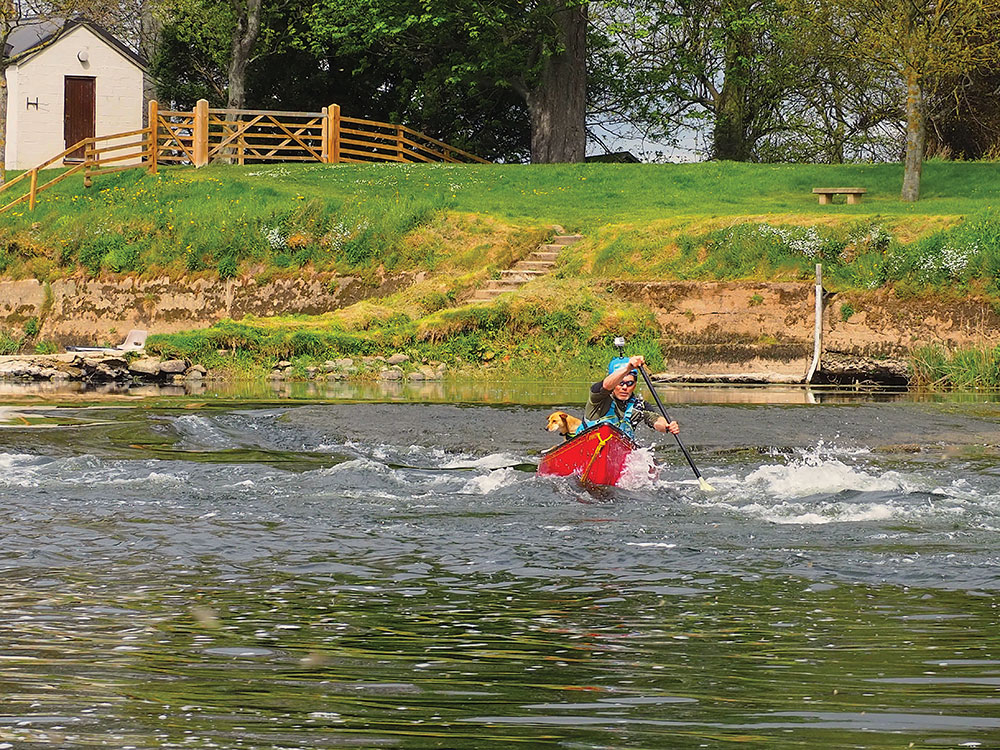
On our expedition planning courses, we always caution the perils of open water, lakes and lochs, which can often look calm and then whip up into waves and hazards such as capsize or dumping (as they say in north America and Canada). Of course, ambient temperature and water temperature play a significant role in our survival times.
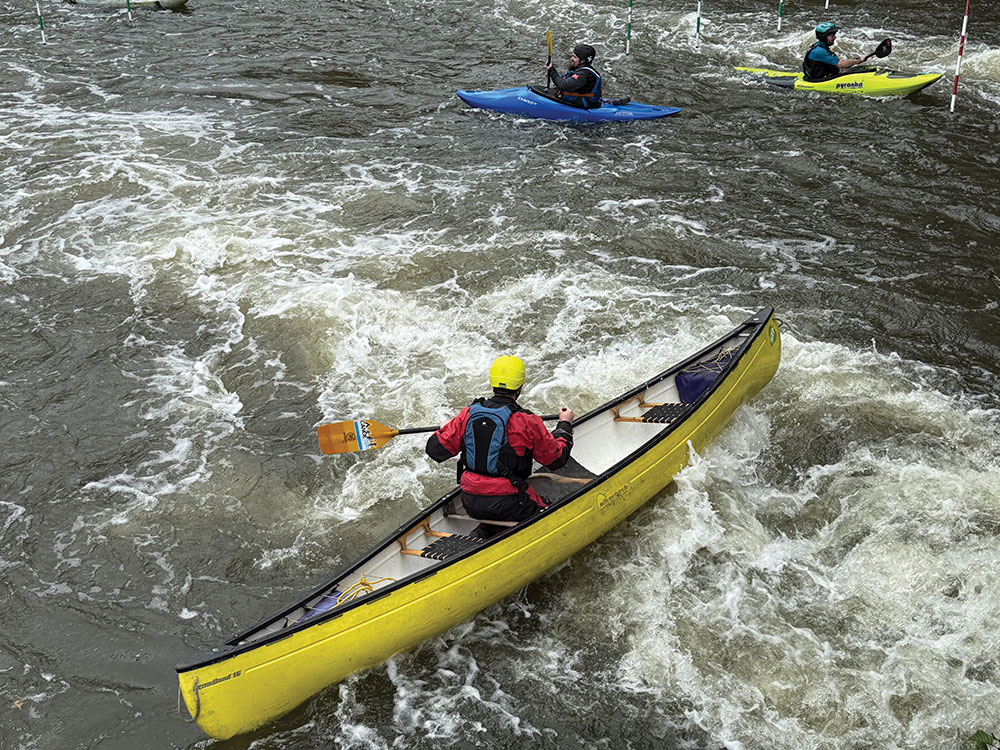
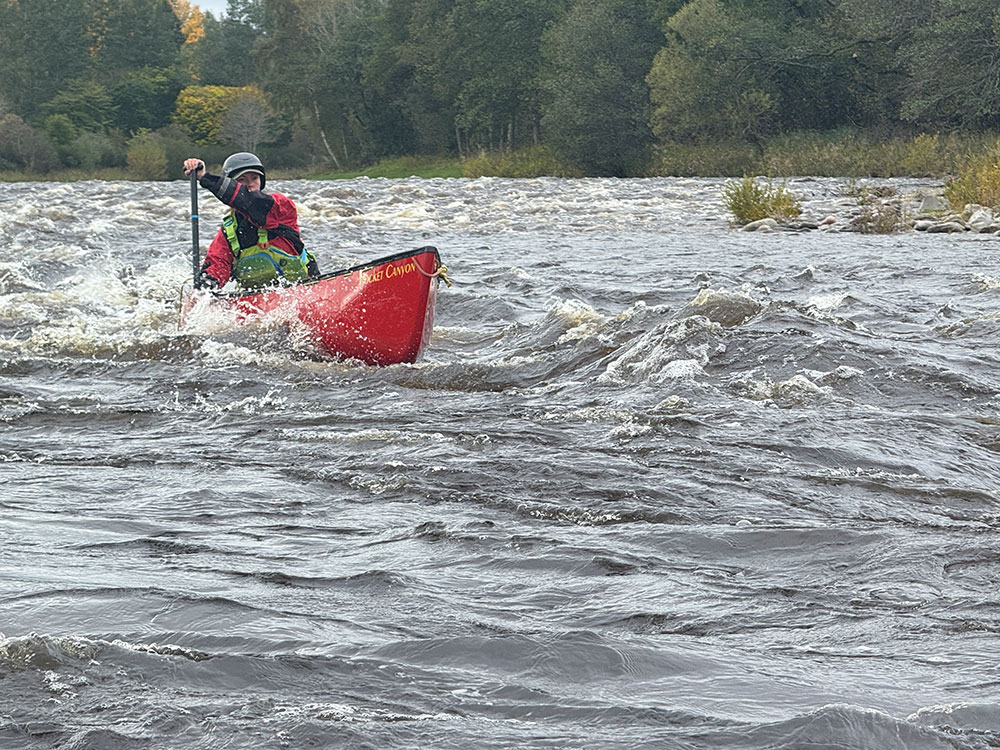
Top tip: Don’t challenge yourself at the max endurance or intensity on expeditions such as waves, strong currents, wind, big rapids, and/or heavily laden craft. Try to get some experience in those conditions before you face the eye of the storm!
Handy hint: Consider whether learning the ropes with a guide, a leader, or a company is the best way to navigate the learning curve safely.
Equipment and kit
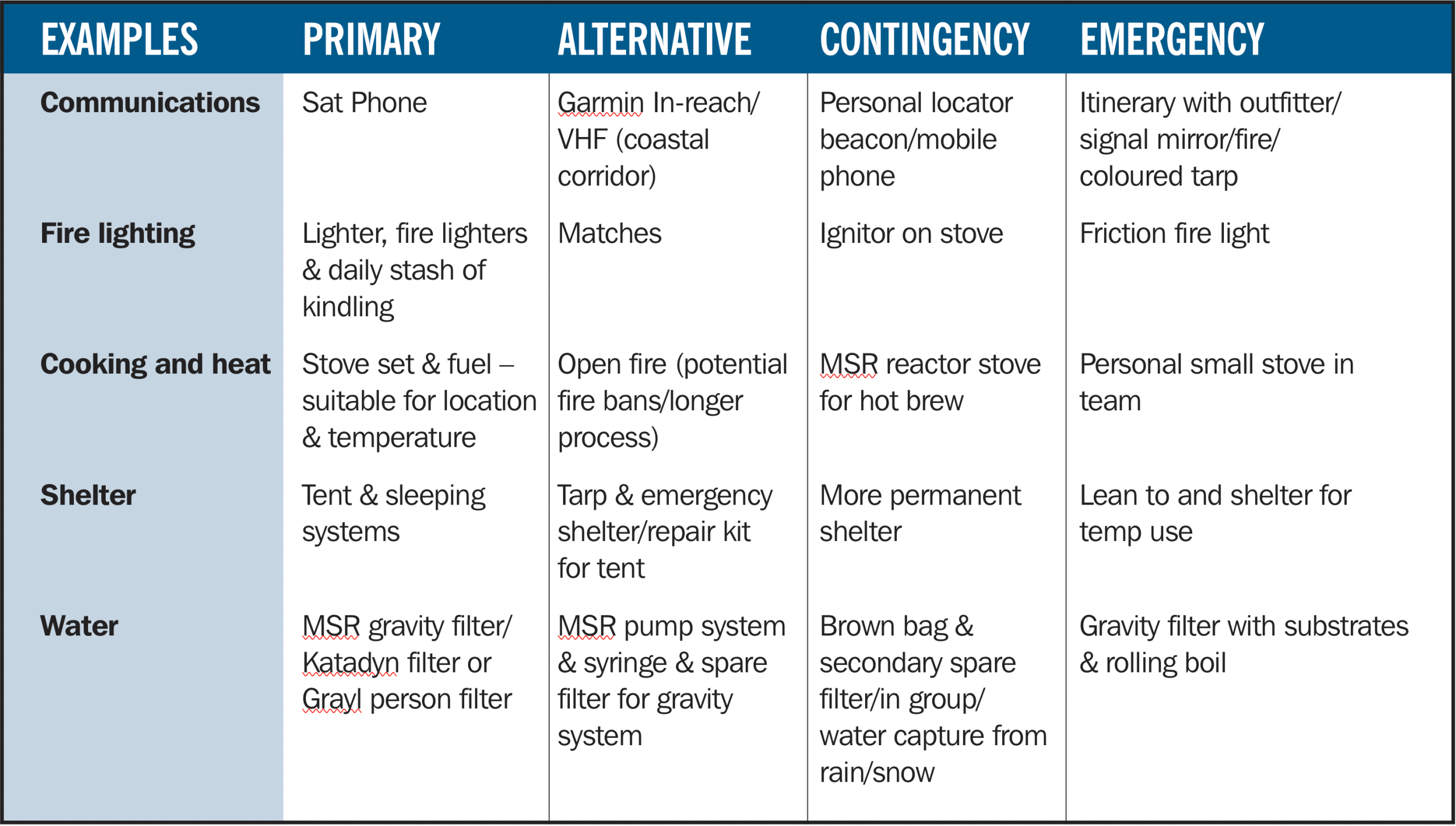
Over the years, we have learnt from military friends, take a bow Roger Palin, ex Royal Marine Adventurous Training Instructor, the importance of understanding your equipment use, repair and contingency well. Their attention to detail of how the kit works well, not so well and can be repaired if needs be is incredible. A useful acronym for understanding contingency is PACE: P = Primary, A = Alternative, C = Contingency and E = Emergency.
On our expeditions, we usually have at least one backup system and processes to help in the event of kit failure or an incident.
Part of the decision about equipment choice will be your trip duration, the extent of the wilderness and difficult environment, and a range of other factors. Often, when giving talks at events, I have delivered a presentation called ‘How Short is your toothbrush?’ Sir Ran Fiennes, who endorsed our book and several expeditions, decided on his polar trip that he couldn’t afford the weight of the toothbrush and toiletries. Extreme, but determining luxuries, contingencies and understanding the difference between ‘needs’ and ‘wants’ can really make a difference to your pack weight and overall success and enjoyment.
Top tip: Test your equipment and back-ups thoroughly.
Border crossings, permits, visas and local cultures
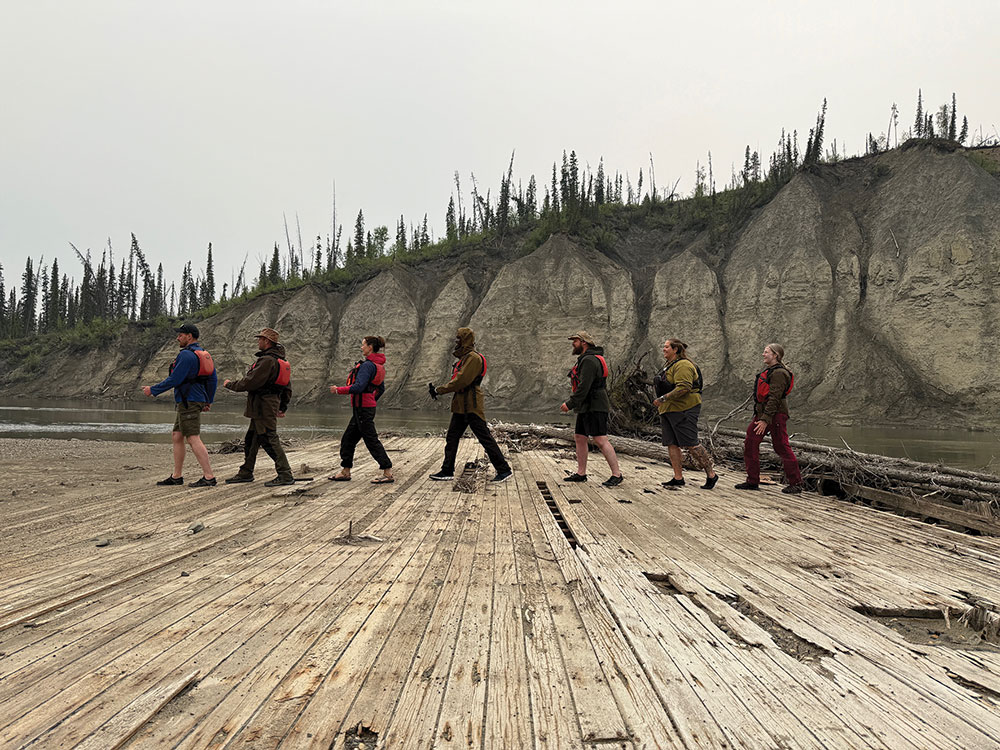
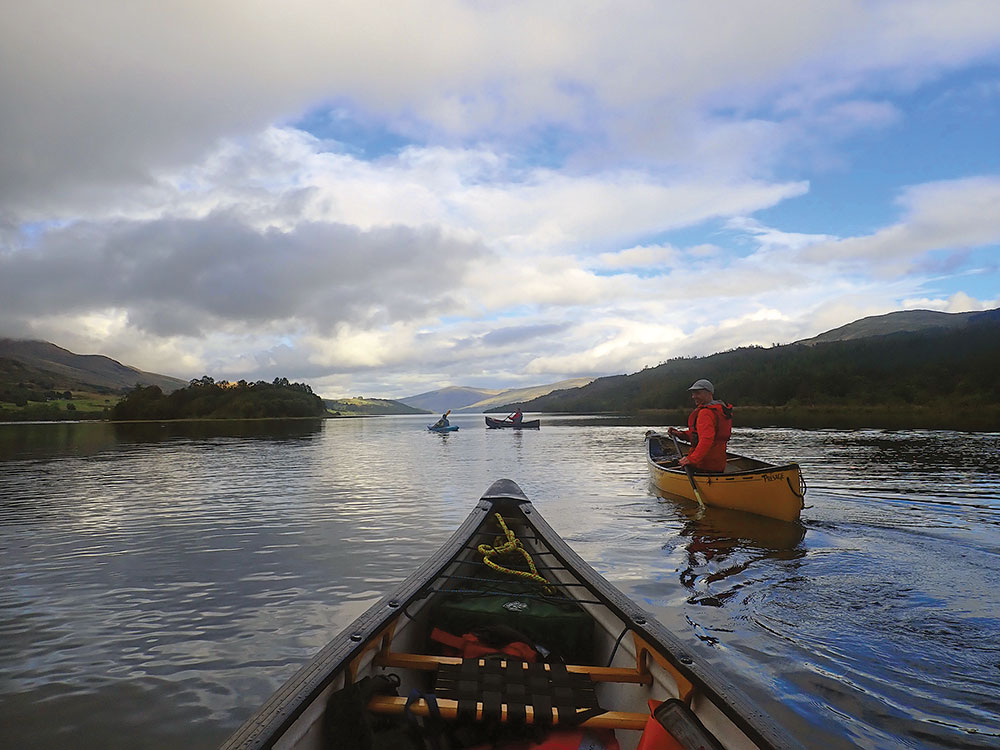
Of course, it seems fairly straightforward to set a course on the trail; for us, that means human-powered, but there are times when it is more complicated . For example, crossing borders solo or with friends under your own steam, you risk travelling without the right permit or visa. While sea kayaking the Channel and the Strait of Gibraltar, we were required to register our kayaks with a small craft number and to have a pilot craft.
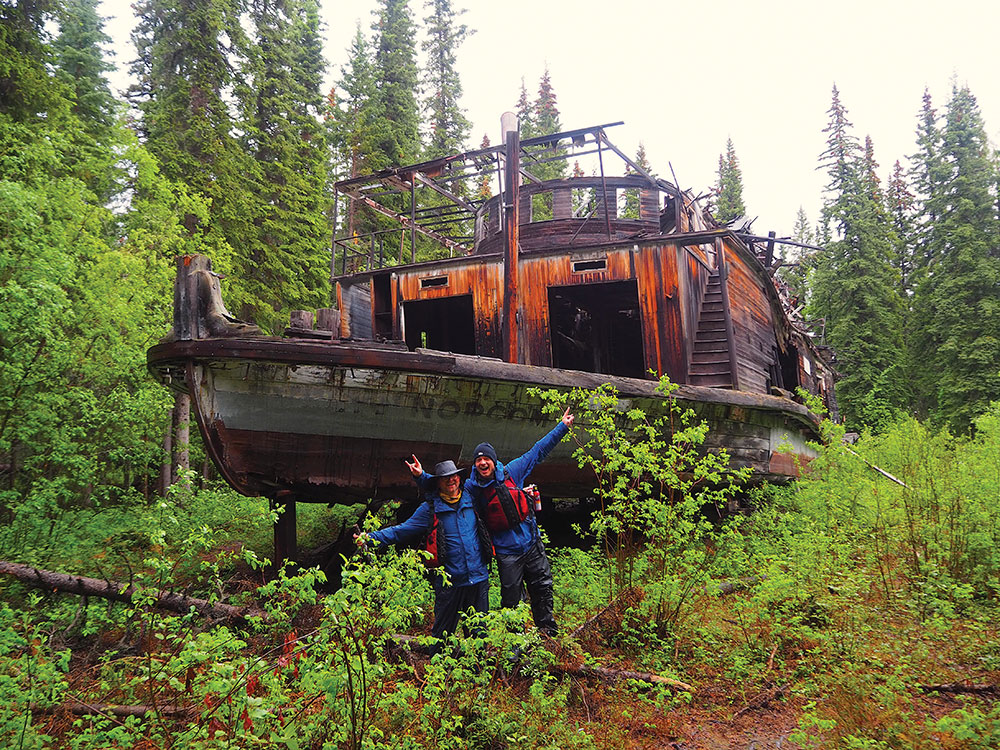
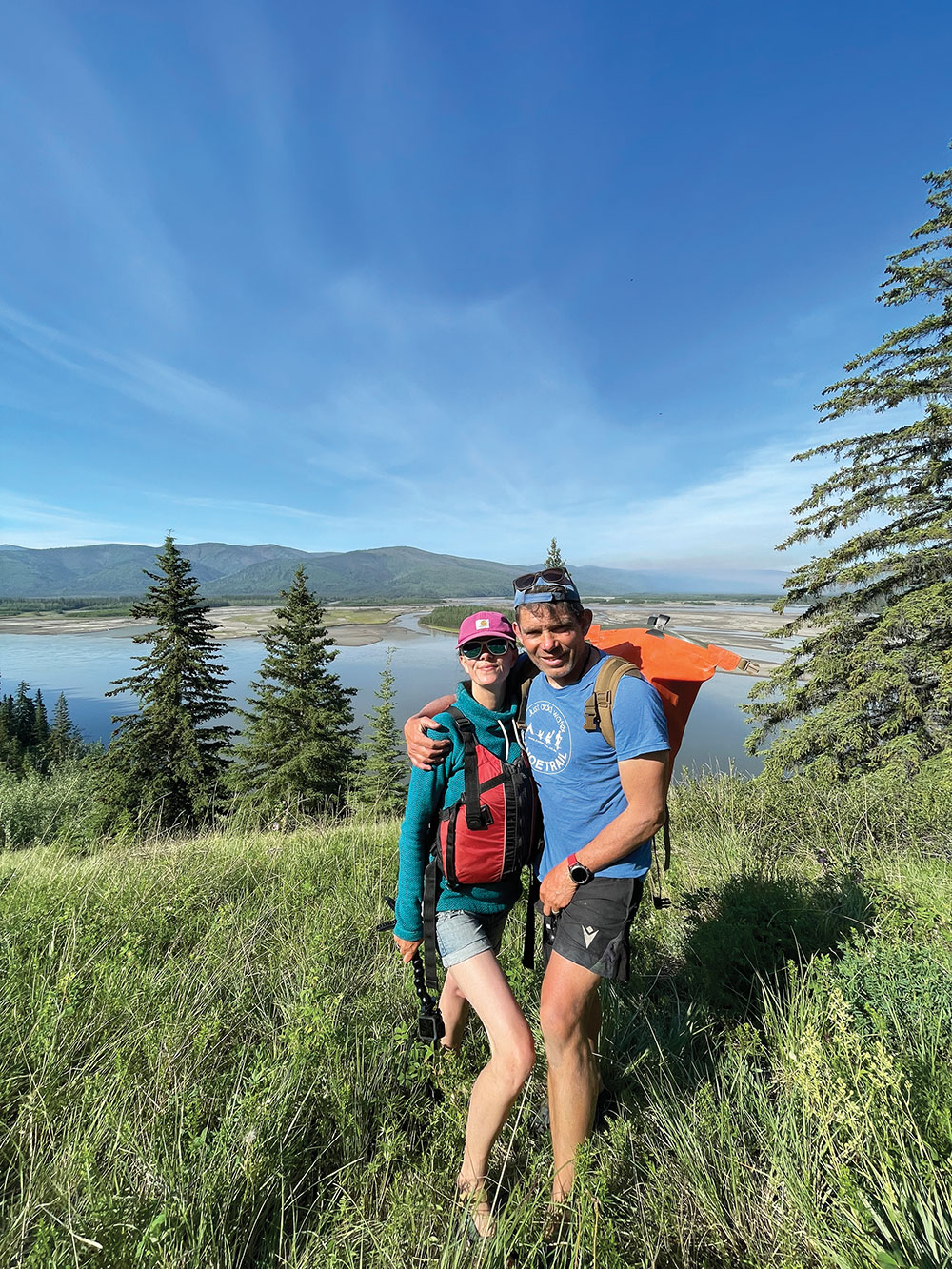
Crossing the border from the Yukon to Alaska, then the border force required a full 10-year visa, as you could not travel on an E Visa. Failure to comply would result in a permanent exclusion from the United States as an illegal alien.
Handy hint: Check in with the FCO (Foreign and Commonwealth Office) before travel and research local issues.
Top tip: Take time to understand customs, rituals, and geopolitical situations. Local travel to the start or finish point may be one of your riskier elements.
My Rich Adventure: Over the years, I have had police escorts and even a safe house, been stuck in a riot, and abandoned by our pick-up plane.
Inoculations and medical
More recently, I read through John Goddard’s epic account from his 1952 descent of the River Nile from source to sea in canvas-on-frame ‘old school’ kayaks. The book is a masterpiece of understatement, and they are charged by hippos, attacked by crocs, nearly drowned, and more besides.
One of the elements that struck me about the era was the limits of medical knowledge at the time, which have advanced significantly since then. From sleeping sickness to malaria, waterborne parasites, Lyme disease and other bacterial infections, they endured tough times. Nowadays, get specific medical advice, GP inoculations and more to stay safe. Understanding the medical services in the country and the availability of drugs and emergency assistance in the event of an incident is important.
Top tips: prevention is better than cure, avoid bites and illness, especially when risking tropical diseases.
Complete a wilderness medical first aid course and expand your medical knowledge and first aid kit.
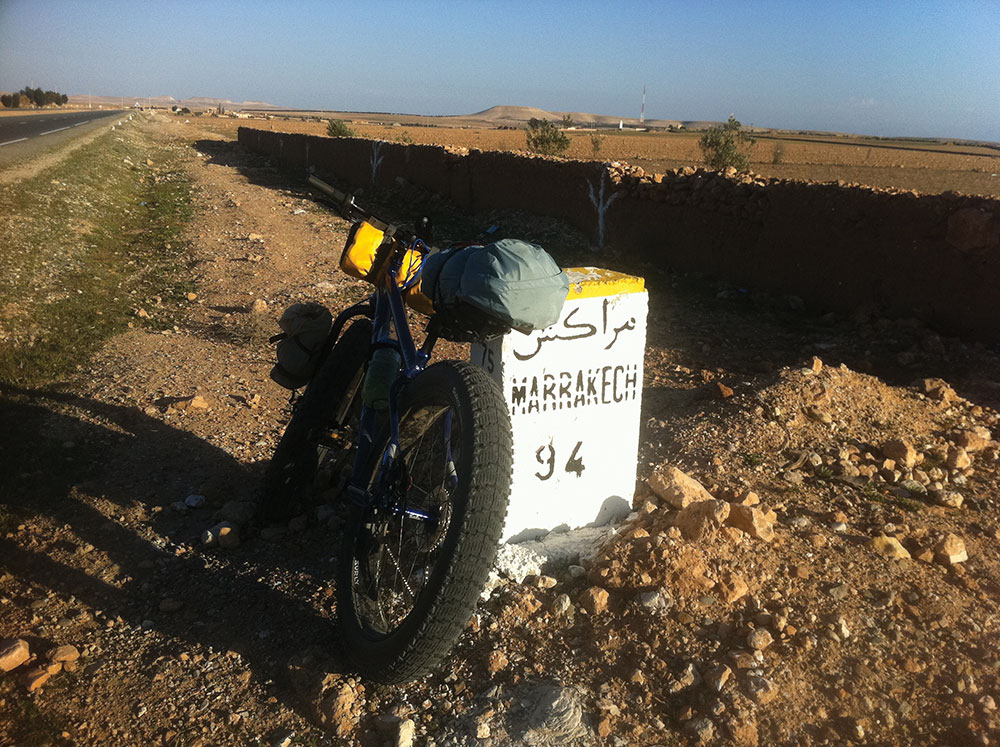
My Rich Adventure: During my London to Marrakech bike and kayak expedition, I suffered a random and unexpected full anaphylactic shock episode, which was quite scary and resulted in injections of antihistamines in my backside, the last thing you want after hours in the cockpit and saddle! (see the video on YouTube @canoetrails).
Equally important is understanding how to conduct a suitable risk assessment
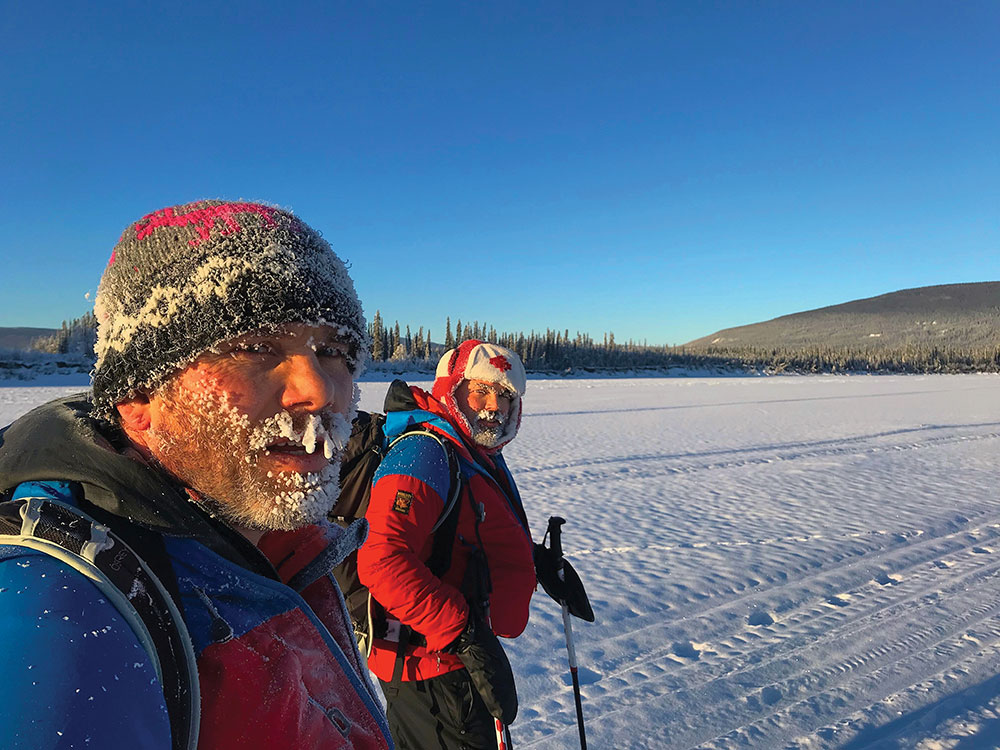
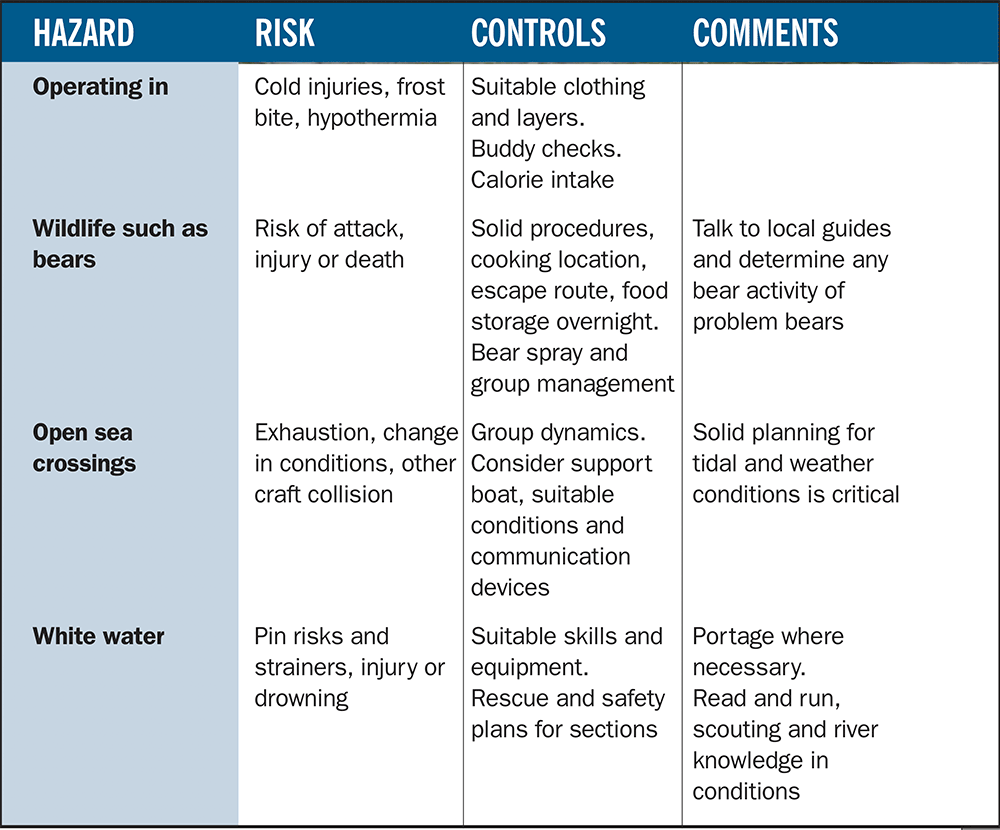
There is a risk of the turkey trap (everything is going well until Christmas – also known as the heuristic trap) and Whalley box colliding (you don’t know what you don’t know)! Make sure you thoroughly consider hazards, the risks and how you may control or reduce them. My expeditions have included operating in hazardous environments, including minus 50 ambient temperatures, travelling over frozen rivers, large open-water crossings by sea kayak, cycling in Africa’s wilder areas, avalanches, sandstorms, and many more. Part of the trick is to consider control factors and mitigation to reduce risks (see table on opposite page).
Top tips: Try scenario mapping the different events that could happen from accidents to equipment failure , from weather to illness and map out what could be done next.
Prevention is better than cure; make solid plans and apply suitable control measures to reduce risks. Review again and again to ensure solid plans.
Handy hint: Understand wildlife risks, especially when unfamiliar with the area. I have witnessed the joy of adventure in wilderness environments, among many stunning animals that could pose a threat. These have included bears (brown and grizzly), wolves, lynx, humpback whales, orcas, snakes and more.
My Rich Adventure: There are many amusing videos on @canoetrails YouTube channel of misadventures and close encounters, including a near miss with a 40-ton humpback whale and getting surrounded by Orcas.
Finally, consider the most critical component: your team or crew.
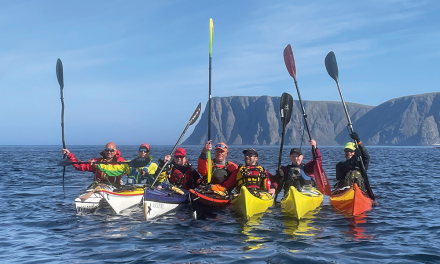
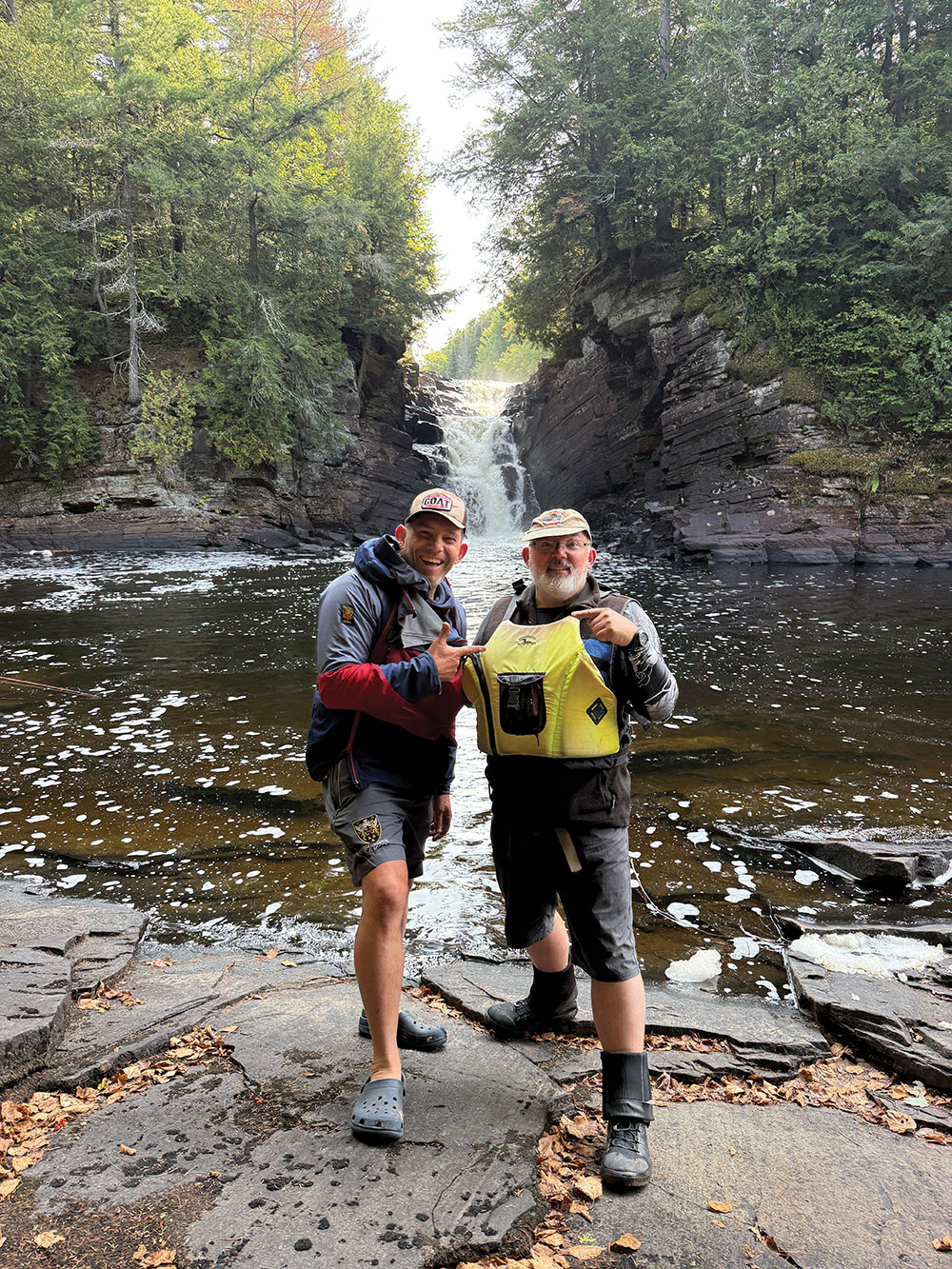
On my first adventures, the Big 5 kayak challenge, we recruited teammates from our Viking Kayak club. This led to a motley crew with a plan to complete five challenges for charity; there were, understandably, differences in fitness levels, skills, desires, commitments, and other factors. Over time, we have learnt to consider roles such as medical skills, being a good navigator, and being a leader, among others.
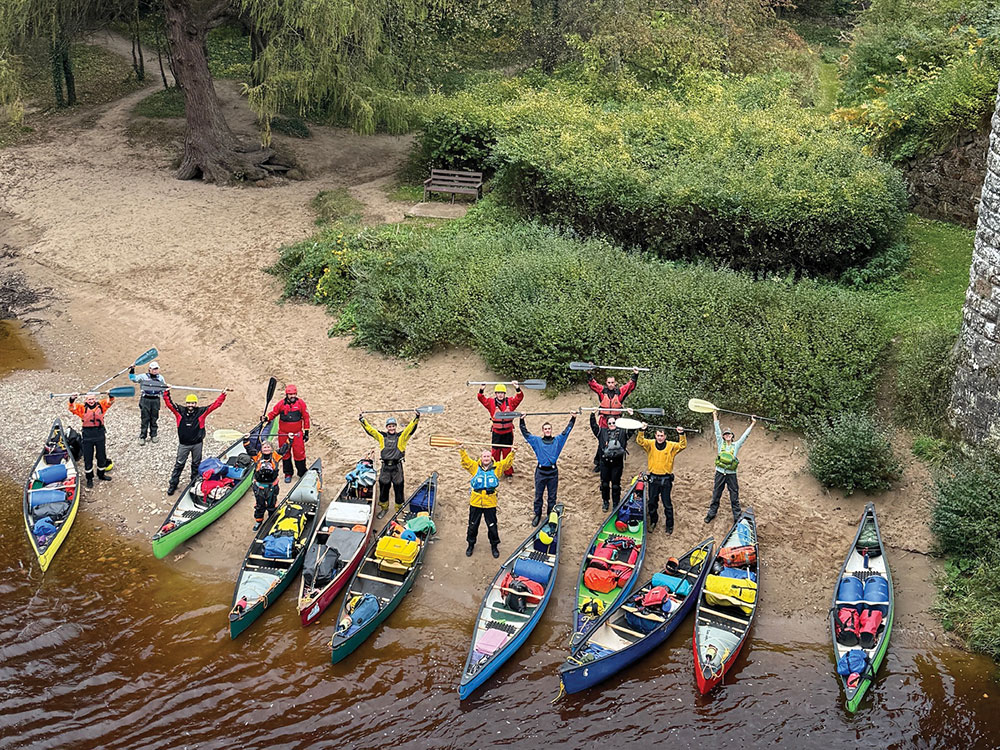
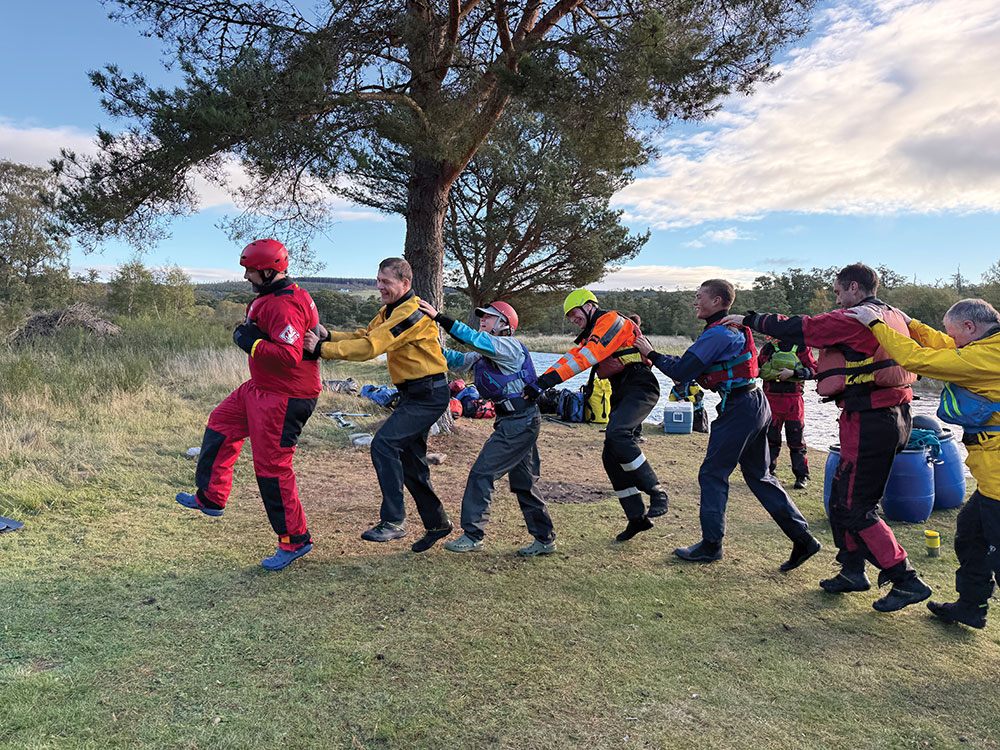
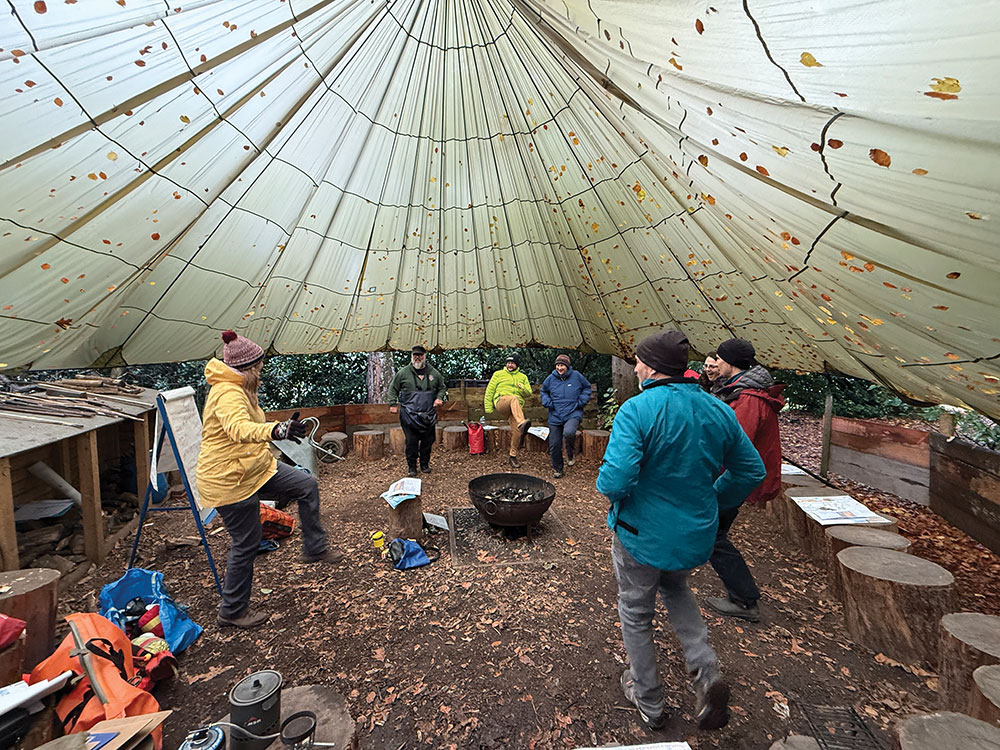
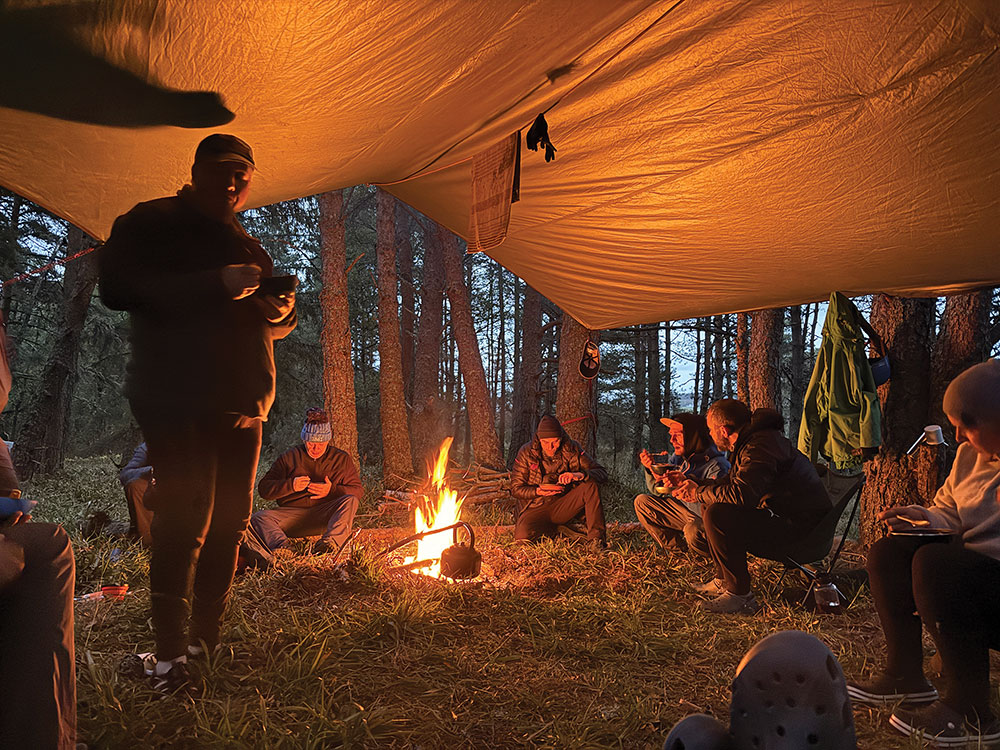
Mapping out roles and considering different scenarios can help determine what people really want to achieve and how much of it they want. Is cost, fundraising and duration an issue? Ironing out these things in advance helps reduce friction and disagreements. On our Canoe Trail expeditions, we organise optional training opportunities that help reduce stress as people get to know their guides, and, as importantly, we conduct medical and expedition screening, as well as a pre-exped zoom meeting.
It is worth considering appetites for risk, personal paddling skills, fitness, and how group members react under the psychological demands of expeditions and life on the trail.
Top tip: Organise a team training challenge that emulates the exped levels, even if only for a day or two. Review any learning points.
Handy hints: Develop the team through shorter paddling days and perhaps overnight trips before tackling long multi-day expeditions, such as a week-long expedition. Check in with people about how they are coping physically and psychologically. We use a 10-point scale and introduce the ‘lights on the dashboard’ concept, allowing participants to provide feedback without peer pressure.
Conclusions
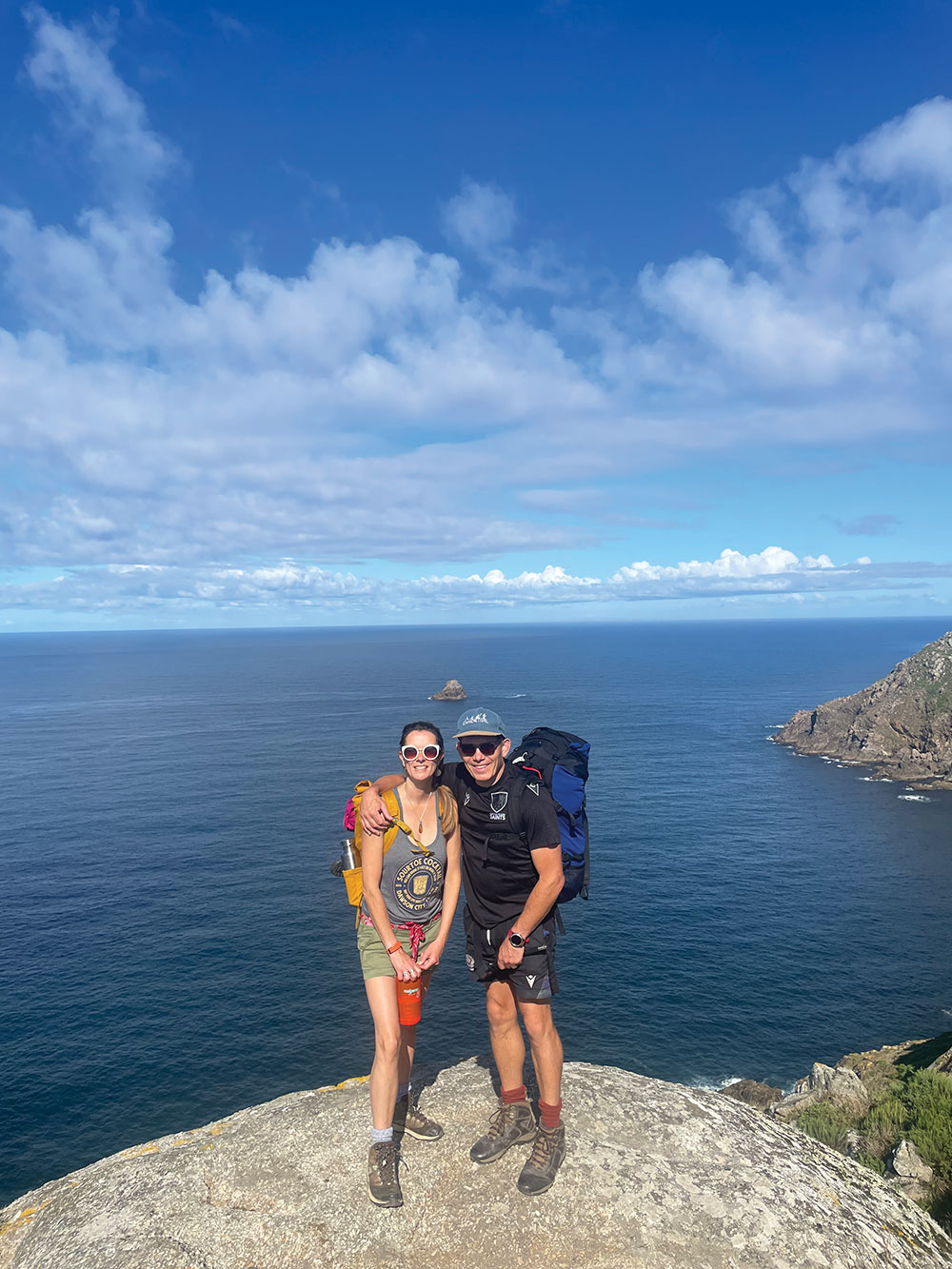
A good team, a solid plan with some contingency and a ‘can-do’ attitude will get you a long way. It is humbling and inspiring to spend time in remote locations, and our 15,000 miles of human-powered adventures feel like just the warm-up. You can see our full range of UK and overseas expeditions, including Algonquin, Finland, and the Yukon, at www.canoetrail.co.uk.
Of course, as a predominantly experiential learning species, we do all prefer to learn by doing, so why not attend some of the one-day guide modules to learn in practical, bite-sized chunks? Like most skills, it is best when we practice with expert tutors and keep things fresh. Rich and the Canoe Trail team are running the guide modules starting early Spring 2026, with training and consolidation to share knowledge. Drop us a line at admin@canoetrail.co.uk.
The next article in the wilderness guide module series is Campcraft and Expedition Skills, where we will be unpacking more topics. Finally, as writers, we are proud of our Great British Paddling Adventures guidebook, which features over 50 routes and almost 100 paddling days. You can buy a signed copy from us for £18, including P&P.