WORDS & PHOTOS:
JOHN R. DEAN &
SAM N. DEAN
John R. Dean
Sam N. Dean
Nice to eat you… The tale of dubious friendship in the Scottish Highlands
The west coast of Scotland offers some of the finest paddling in the world. It also offers some of the most persistent, organised, and frankly personal insect harassment you’re ever likely to experience.
The west of Scotland offers world-class opportunities for sea kayaking, canoeing, white water kayaking, packrafting and paddleboarding across sea lochs, islands, inland lochs, and rivers. It is, quite simply, one of the finest paddling destinations on the planet.
However… in summer, a hidden ‘enemy’ can creep into your trip and quietly turn bliss into mild misery.
The good news? This adversary only appears at certain times of day. Better still, we have ways – some elegant, some slightly desperate – to deal with it.
What are we describing?
The Scottish midge.
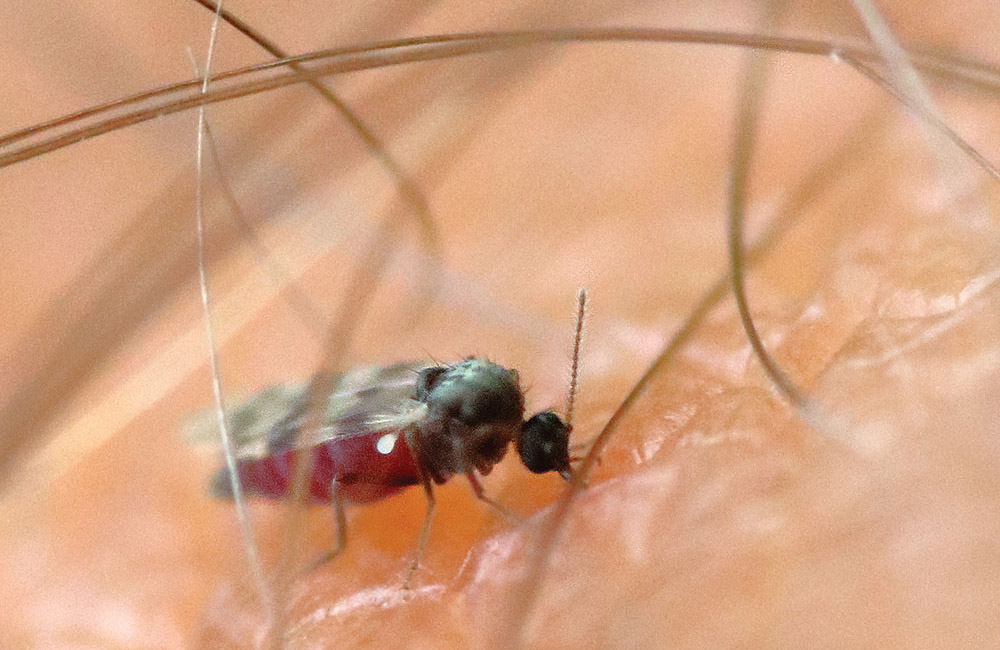
The Highland midge (Culicoides impunctatus), or meanbh-chuileag in Gaelic (loosely translating as ‘tiny fly’), is a biting insect just 2-3 mm long with a wingspan of about 1.4 mm. Tiny, yes. Harmless-looking, perhaps. But underestimate it at your peril.
In the Highlands, this species is responsible for roughly 90% of bites. It is not alone – there are around 1,400 Culicoides species worldwide (everywhere except Antarctica, which should tell you something about Antarctica), with about 40 found in the UK.
Among its relatives are:
- Culicoides halophilus (the coastal midge), loitering in salt marshes.
- Culicoides nubeculosus (the farm midge), more interested in livestock than you.
- Culicoides obsoletus (the garden midge), common in towns and lowlands.
But it is the Highland midge that earns the reputation – and the resentment.
Why here? Because the Scottish Highlands are, from a midge’s perspective, paradise. Extensive peat bogs, high rainfall, cool temperatures, sheltered glens, and an all-you-can-eat buffet of deer, cattle and – unfortunately – you! Only the females bite. Sadly, they do not wear name badges.
And they do not travel alone. When midges arrive, they arrive in numbers – tens, hundreds, sometimes what feels like several million – turning a peaceful evening into something resembling a low-level biological assault.
Why Midges Bite (and Why They Like You More Than Your Friend)
Midges don’t just stumble across you. They are surprisingly sophisticated in how they find a meal.
Carbon dioxide (CO2)
This is their primary homing signal. They can detect CO2₂from breath at distances of up to 200 metres. So, breathing is a problem. Talking makes it worse. Puffing uphill with a loaded kayak? You might as well send out invitations. This is why they love your head.
Body odour and skin chemistry
Compounds such as lactic acid, ammonia, and fatty acids vary between individuals. Genetics, diet, skin microbiome – all play a role. This explains the classic scenario: one person being eaten alive while their companion stands smug and untouched. Science calls this variation. The victim calls it deeply unfair.
Heat
Midges detect warmth. The face, neck, wrists and ankles are prime targets. Exercise, sunshine, and alcohol all increase skin temperature – and therefore your appeal. Yes, that relaxed evening drink may be working against you.
Colour
Midges are drawn to dark colours – black, navy, dark green, red. Light shades such as beige, khaki, or grey are less attractive. So, if you’ve packed all your kit in tasteful black… you’ve made a tactical error.
Humidity and still air
They thrive in warm, damp, windless conditions – especially after rain and near bogs, lochs, and woodland. Introduce a breeze of just 5-6 mph and their enthusiasm drops dramatically. In short: wind is your friend.
Movement
Movement and vibration help them locate you. Standing still doesn’t help either, unfortunately.
Livestock and large mammals
Midges evolved to feed on deer, cattle, and sheep. Humans are simply convenient substitutes—slightly less hairy, marginally more irritated.
How they feed (brace yourself)
Midges don’t bite in the polite mosquito sense. They cut. Using scissor-like mouthparts, they slice the skin and drink from the small pool of blood that forms. Their saliva prevents clotting and triggers the familiar itchy lump. As a final flourish, they release pheromones that attract other females to join in.
In short: once you’ve been discovered, you’ve effectively opened a restaurant. And since only females bite, you are directly contributing to the next generation. You’re welcome.
Life Cycle (How the Problem Persists)
The Highland midge operates on a four-stage life cycle, typically completed in 6-10 weeks.
Eggs: Laid in damp soil, peat, marshes, or decaying vegetation. A female can produce 30-100 eggs – and can lay her first batch without even needing a blood meal. Efficient.
Larvae: Develop in moist, organic-rich soil, feeding on microorganisms. This stage lasts around 3-4 weeks and is the longest.
Pupae: A brief, non-feeding stage lasting 2-3 days.
Adults: Emerge in summer (June–August), living 1-2 weeks. Females require blood to produce eggs; males, sensibly, stick to nectar.
They overwinter as larvae and restart in spring. In warm summers, multiple generations can occur—because one wave clearly isn’t enough.


The inconvenient truth: Midges are useful
Reluctantly, it must be acknowledged that midges are not purely agents of misery. They are a key food source for bats, birds, spiders, and other insects. Remove midges and you disrupt entire food webs.
Their larvae contribute to nutrient cycling, breaking down organic matter in peatlands and supporting microbial ecosystems. They play a role – albeit small – in pollination, particularly in harsh wetland environments where every pollinator counts.
They are also bioindicators, signalling healthy, undisturbed peatland systems.
And perhaps most importantly, they act as a subtle but effective form of land-use management. Large numbers of midges discourage overdevelopment and excessive human intrusion.
In other words, they are guardians of wilderness. Irritating, persistent, airborne guardians.
A historical irritation
Midges are not a modern inconvenience.
Queen Victoria reportedly abandoned a Highland picnic in 1872 after being ‘half-devoured’. Even royalty, it seems, is not immune.
Another tale – possibly more folklore than fact – suggests a British general misheard the Gaelic word chuileag and coined ‘hooligans’ after repeated encounters with biting swarms. Whether true or not, the sentiment feels accurate.
Seasonality: when to expect trouble
Midge season runs from late May to September, with peak intensity from mid-June to August.
They are crepuscular – most active at dawn and dusk. Calm, humid evenings are their ideal operating window. Warm, windless weather is perfect for midges. Add even a modest breeze and their activity collapses.
There are now midge forecasts based on trap data and weather patterns – because, frankly, this level of planning has become necessary. And yes, the most effective way to avoid midges is still not to visit Scotland. But that would be missing the point entirely.
Camping: How not to become dinner
The golden rule: seek exposure. Midges cannot cope with wind.
Choose your campsite wisely
Avoid sheltered woodland, boggy ground, and still water. Look for exposed ridges, open ground, or coastal sites with airflow.
Time your activity
Cook, pitch, and rest during breezy daylight hours. Avoid lingering at dawn and dusk.
Cover up
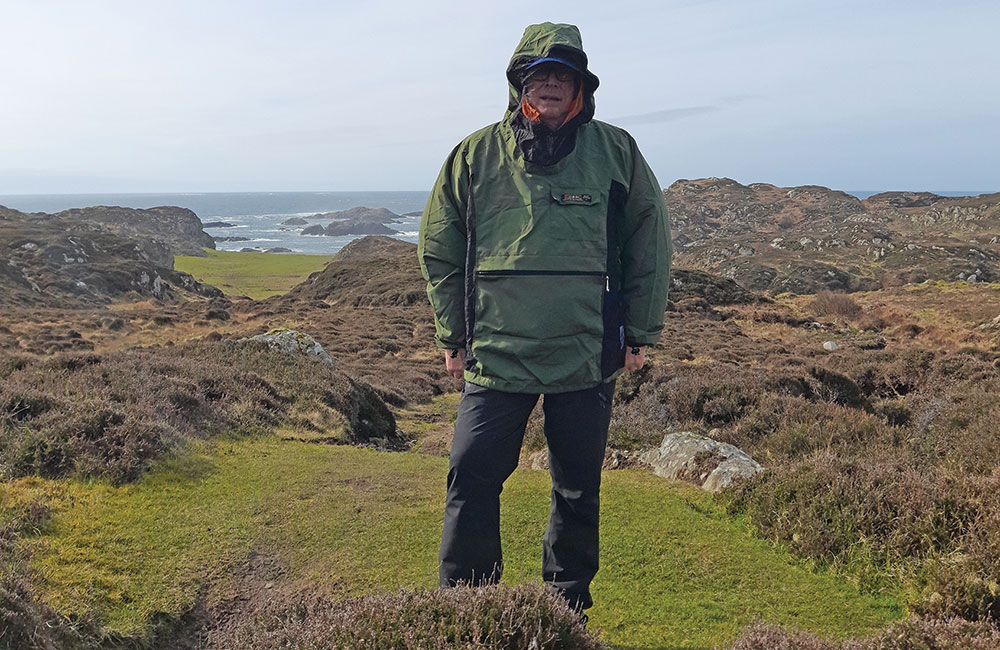
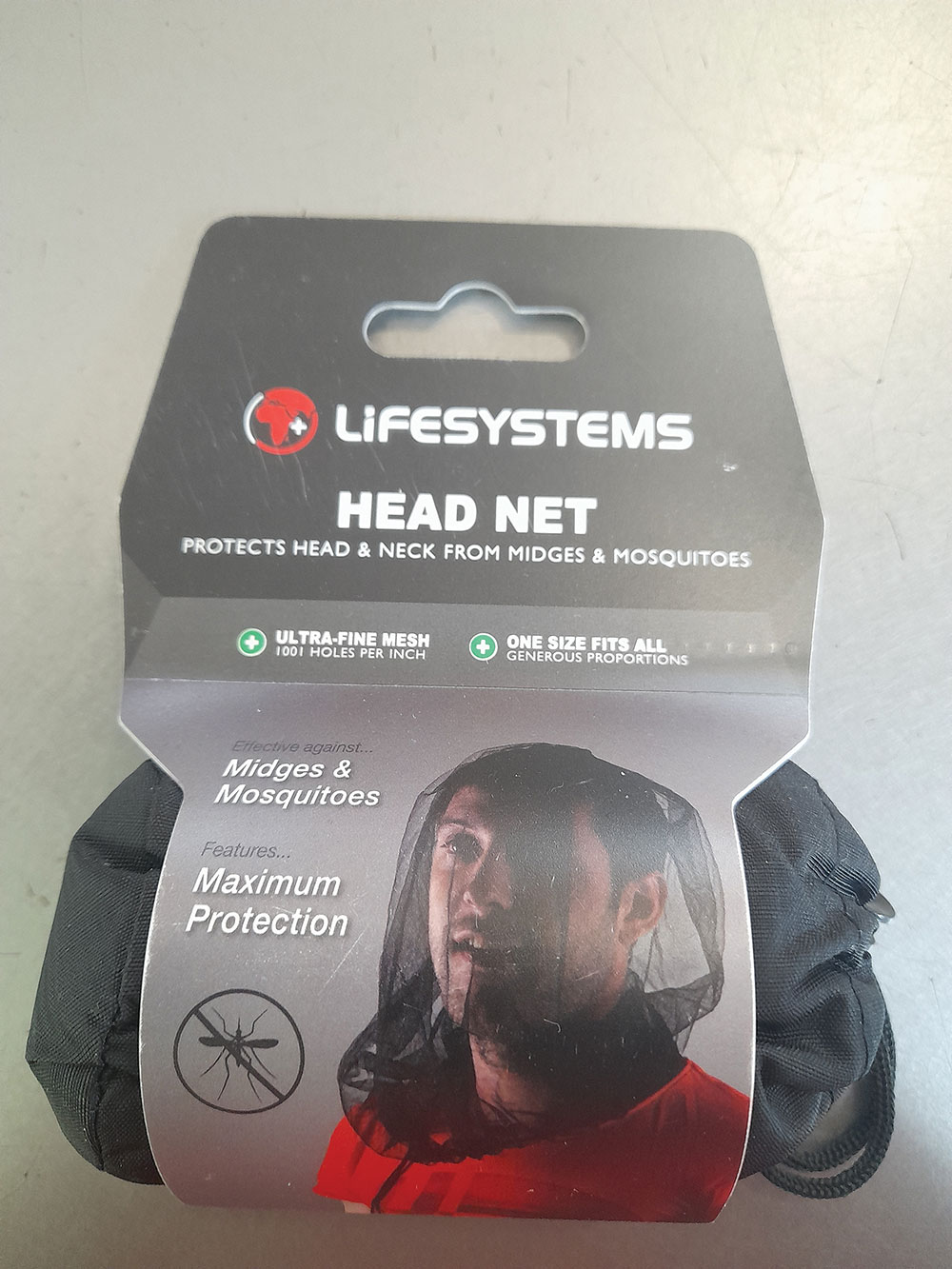
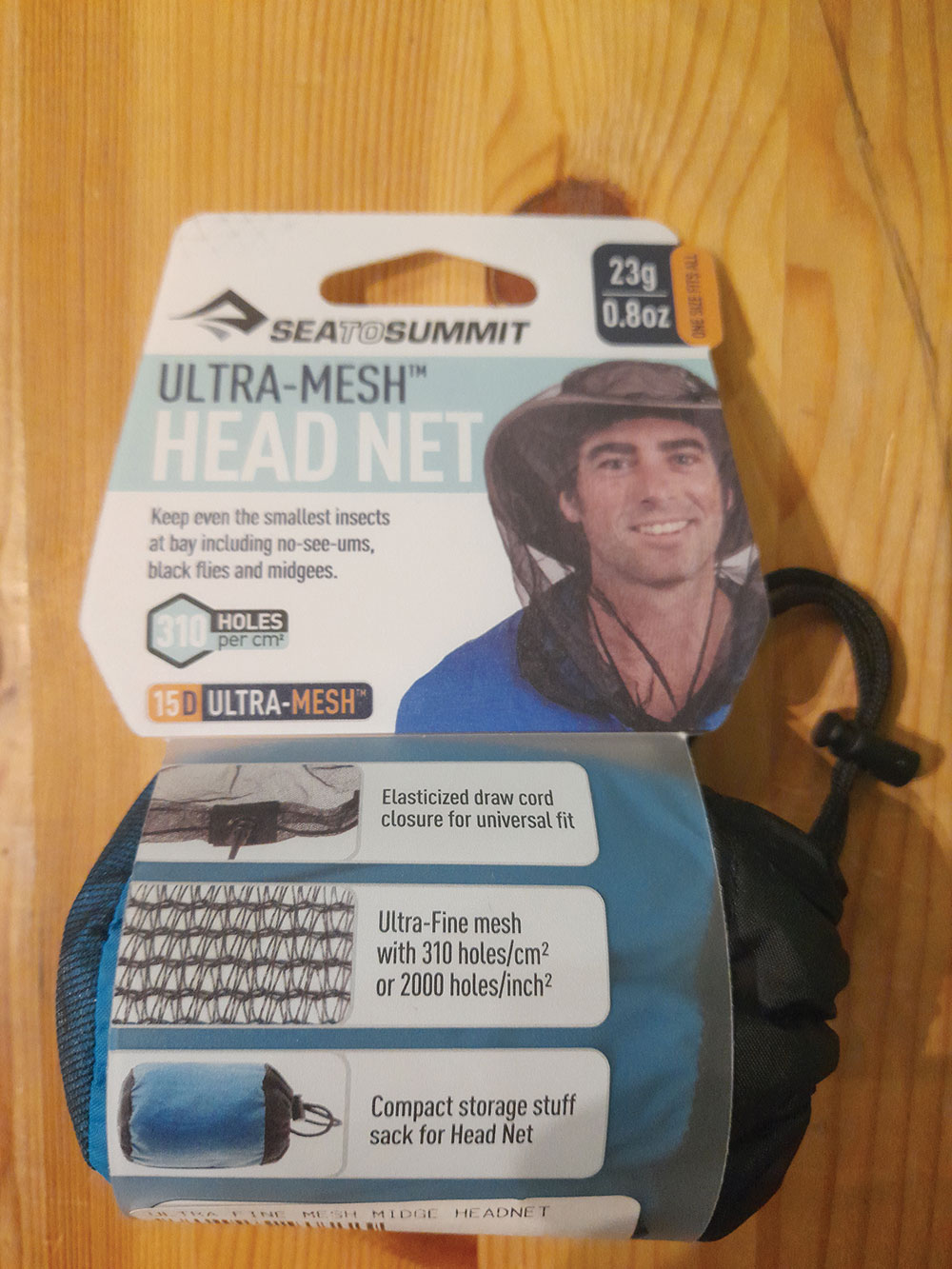
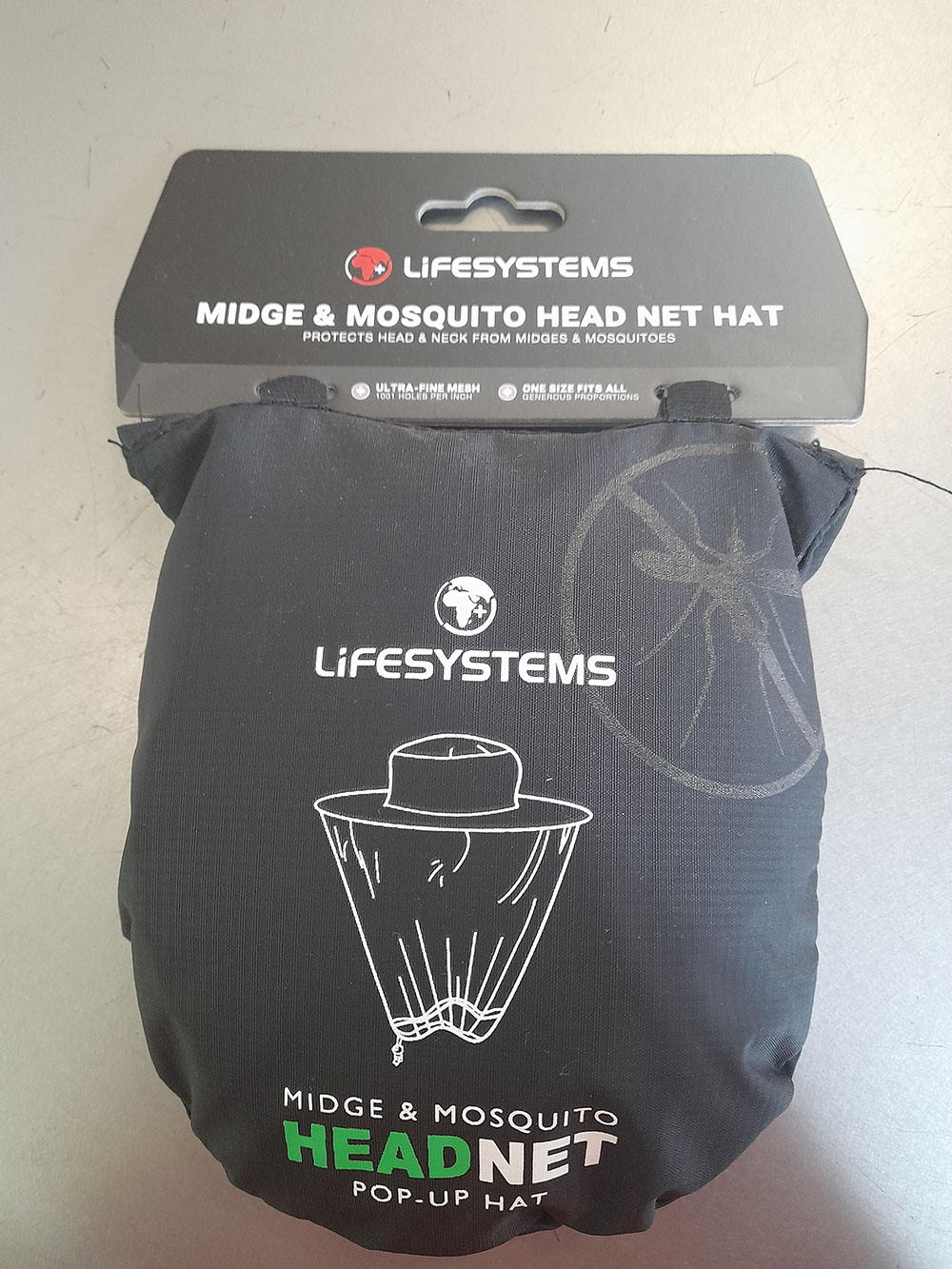
Light-coloured, loose-fitting clothing is best. Add a fine-mesh head net – ideally worn over a hat so it doesn’t cling to your face. Bug shirts are even better.
Defend your tent
You need very fine mesh (less than 1.0 mm, ideally 0.6-0.8 mm). Standard mosquito netting simply won’t do.
Keep moving
Midges are persistent, but not athletic. A short walk can often restore sanity.
Top tips for paddlers
Here’s the good news: paddlers have an advantage. Midges struggle with moving air. Once you’re on the water, you’re largely safe. The danger lies in the margins – launching, landing, and stopping.
1. Use the water
Keep moving. Even gentle paddling disrupts them. If necessary, head 50–100 m offshore for instant relief.
2. Time it right
Mid-morning to mid-afternoon is best. Avoid still, humid dawns and dusks.
3. Dress strategically
Light colours, loose layers. Avoid dark, tight fabrics. A paddling jacket is excellent protection.
4. Protect your head
Carry a midge net in your buoyancy aid. Put it on before landing, not after you’ve been introduced.
5. Launch and land with purpose
Choose exposed, breezy shorelines. Minimise standing around. Get in, get out, move on.
Midge deterrents: what actually works
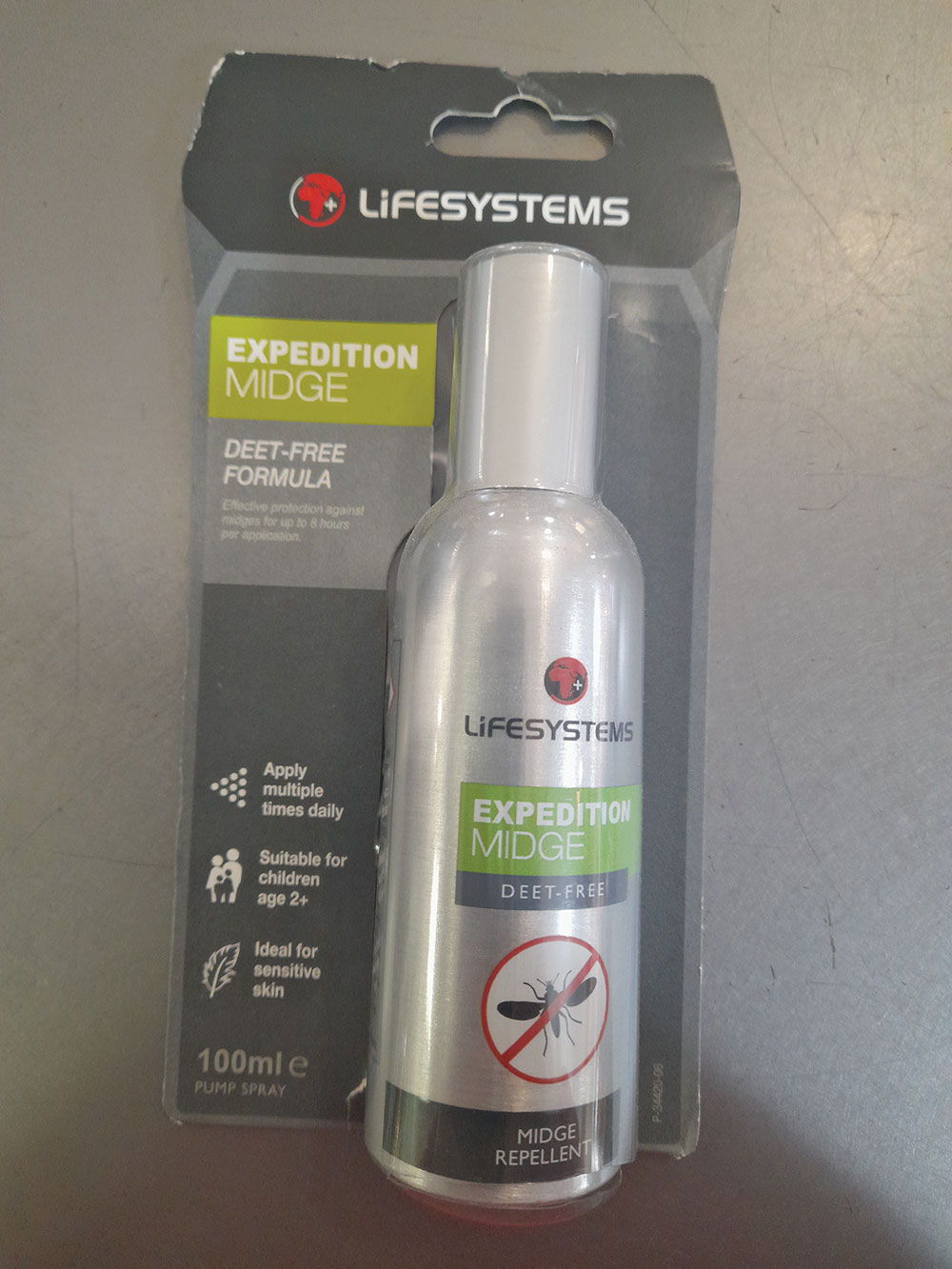
Apply repellents strategically – ankles, wrists, neck, behind the ears. Avoid hands and anything that touches your paddle.
Chemical repellents
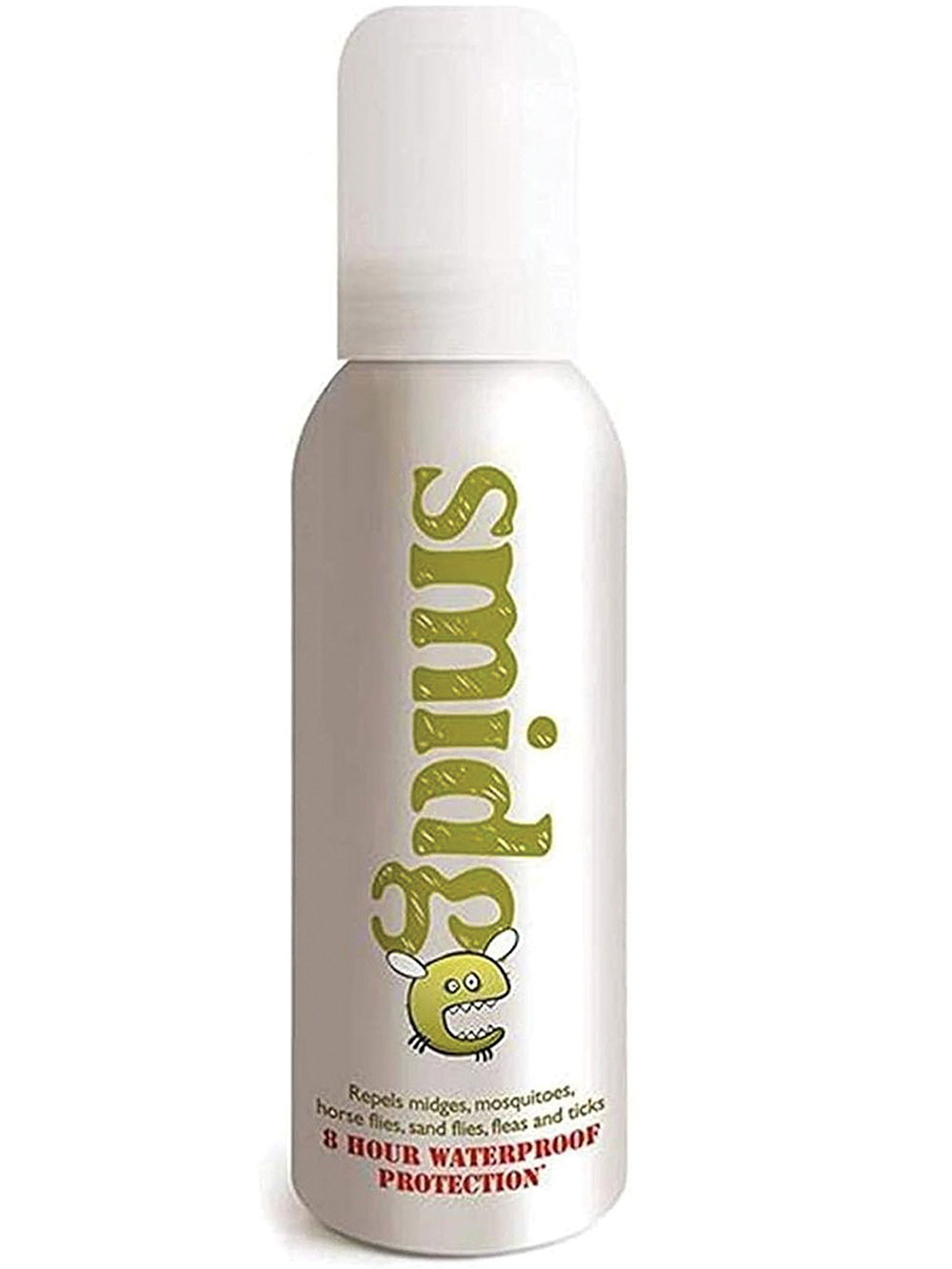
DEET, Picaridin, and IR3535 are all effective. They work, but may irritate skin or damage some materials.
Natural alternatives
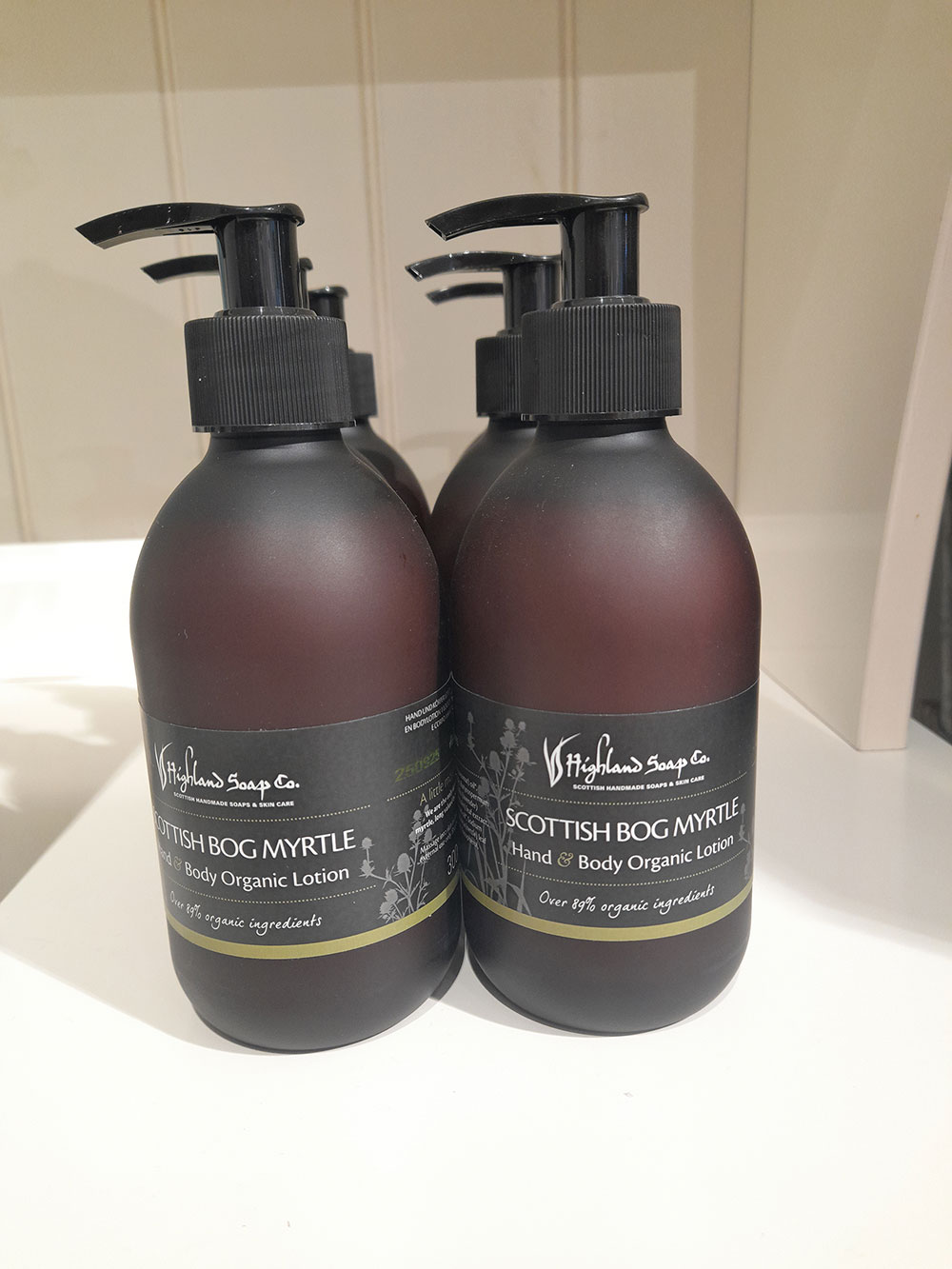
Citriodiol (PMD), citronella, lavender, peppermint, tea tree, and bog myrtle products are widely used. Avon ‘Skin So Soft’ has a loyal following – though perhaps more anecdotal than scientific.
Other options
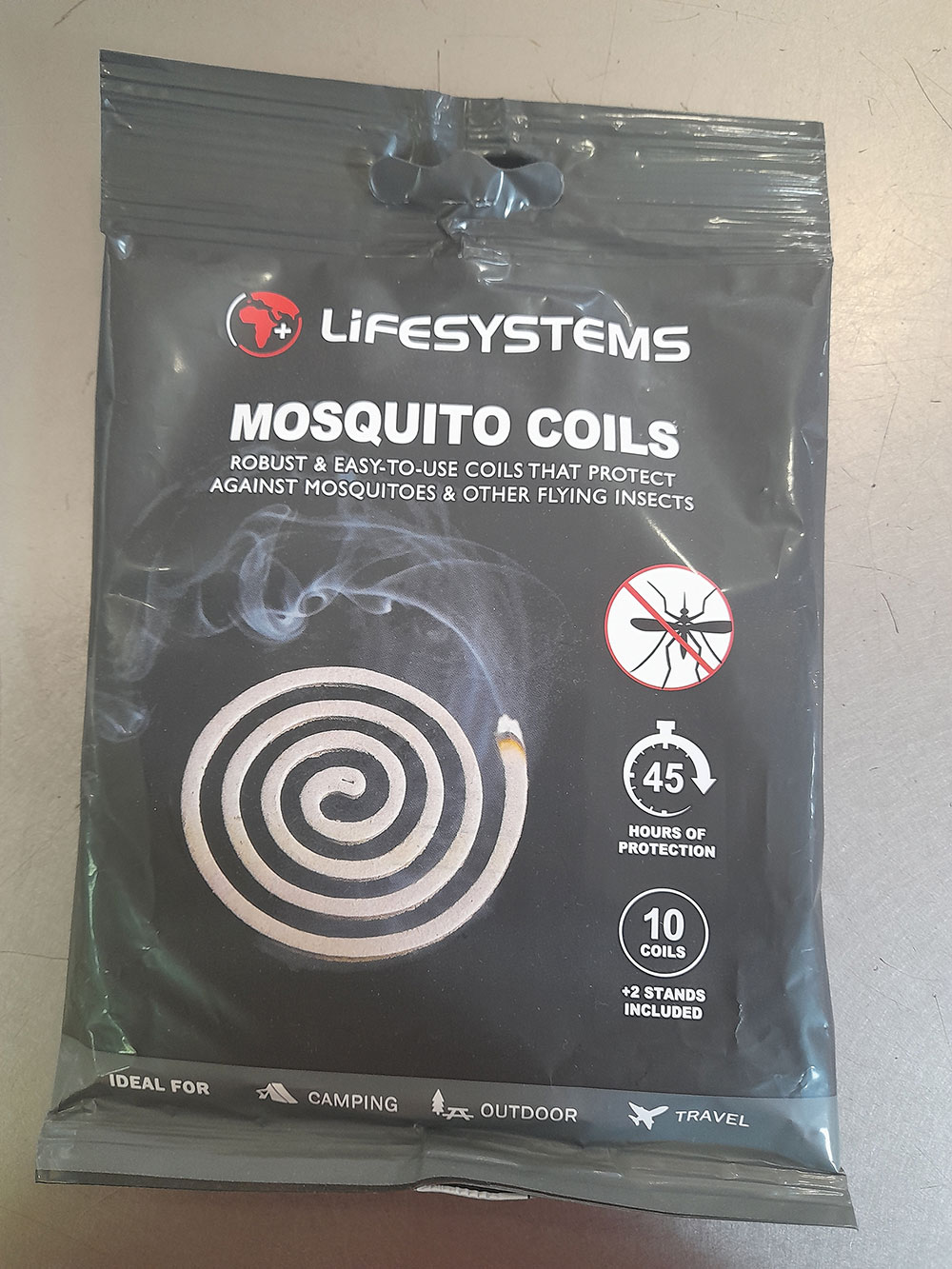
CO2-based traps and devices such as Thermacell units can create small protected zones. Coils and candles may help, but require care.
Dietary approaches
Garlic, vinegar, vitamin B – are debated. Results vary from, “Works brilliantly” to “Absolutely not.”
When (not if) you get bitten
You will get bitten. Accept it early – it helps psychologically. Keep bites clean and resist scratching (easier said than done).
Treatments include:
- Hydrocortisone cream.
- Antihistamine creams.
- Calamine lotion.
- Tea tree oil.
- Oral antihistamines for widespread irritation.

Final thoughts
The strategy is simple: find wind, avoid stillness, cover up, and keep moving. Do that, and the Scottish midge becomes manageable – if not entirely lovable.
And if you arrive in the Highlands to sunshine and a gentle breeze, you may feel you’ve wasted ten minutes reading this. But if the air is still, the light is fading, and the first faint cloud appears around your head…
You’ll be very glad you did.