WORDS & PHOTOS:
JOHN R. DEAN &
SAM N. DEAN
John R. Dean

Sam N. Dean
Doing the 1s and 2s
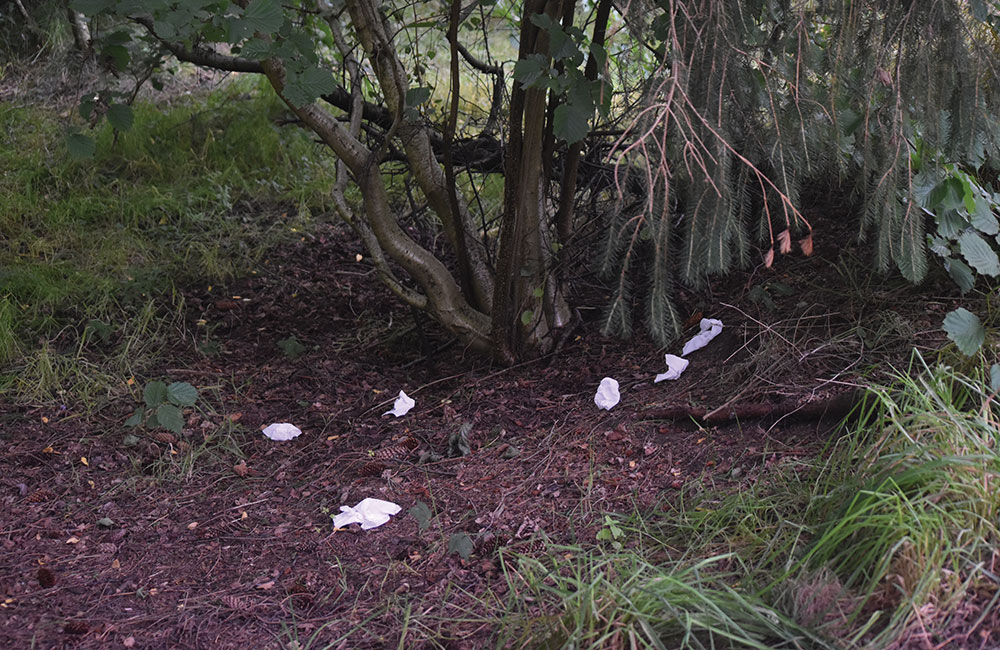
Finding the perfect wilderness campsite or a scenic spot for a quick break is a highlight of any paddling trip until you spot used toilet paper left behind by a previous visitor. Leaving used toilet paper on the river, loch, lake, canal, or beachside location is both unsightly and unnecessary. Obviously, if we are outside for any length of time, we need to urinate or defecate – it is normal. What isn’t normal is leaving the ‘evidence’ exposed. So, dealing with human waste hygienically and in an environmentally sensitive way is an essential outdoor skill.
Improperly disposing of human waste severely damages nature and risks public health. Unlike animal waste, human faeces contain contagious pathogens that create major hazards:
- Water Contamination: Rain and runoff wash bacteria (E. coli, Salmonella) into streams, causing severe vomiting and stomach illness for downstream users.
- Threat to Wildlife: Animals lack immunity to human diseases. Leaving waste behind invites pests into campsites or picnic sites, interferes with natural wildlife foraging, and dangerously conditions animals to depend on humans for food.
- Soil Persistence: In cold or dry conditions, decomposition stalls. Pathogens like Salmonella can survive underground for a year, creating hidden hazards for future campers and users on rest breaks or lunch stops.
- Public Health & Ruined Aesthetics: Exposed waste attracts flies that spread bacteria to hands and gear, while ‘toilet paper blooms’ ruin the natural beauty of wild spaces.
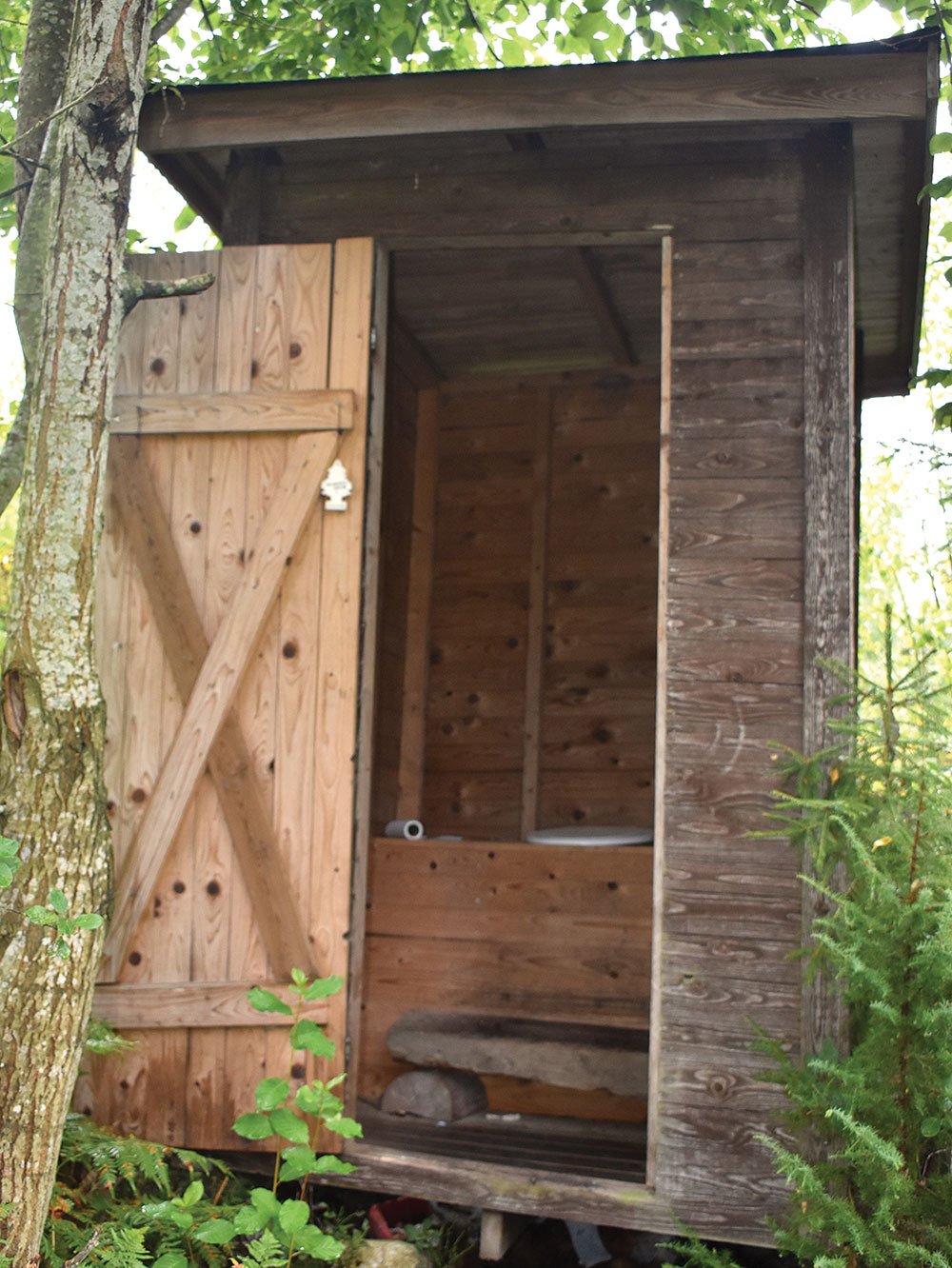
Obviously, in some popular locations you will find public toilets, but whether they are open can be an issue. In some wilderness locations, likewise, cabin toilets may exist, with composting aids such as sawdust instead of a water flush (but do follow any provided instructions to aid the digestion process). But these are few and far between. So, you need to go prepared and pack appropriately for the ‘event’, whichever paddlesport you do.
Here are a few simple ideas and protocols we hope you can follow, whether you’re wilderness canoe camping, paddling on your local canal or river, or sea kayaking around our beautiful coastline.
When you have no porcelain facilities available, the golden rule of outdoor hygiene is to ‘Leave No Trace’. What should you do when you need the loo, but there aren’t any facilities nearby?
Liquid waste etiquette: the number 1s.
For the male type, we have the added advantage of a suitable extension, of different sizes, to enable urination.
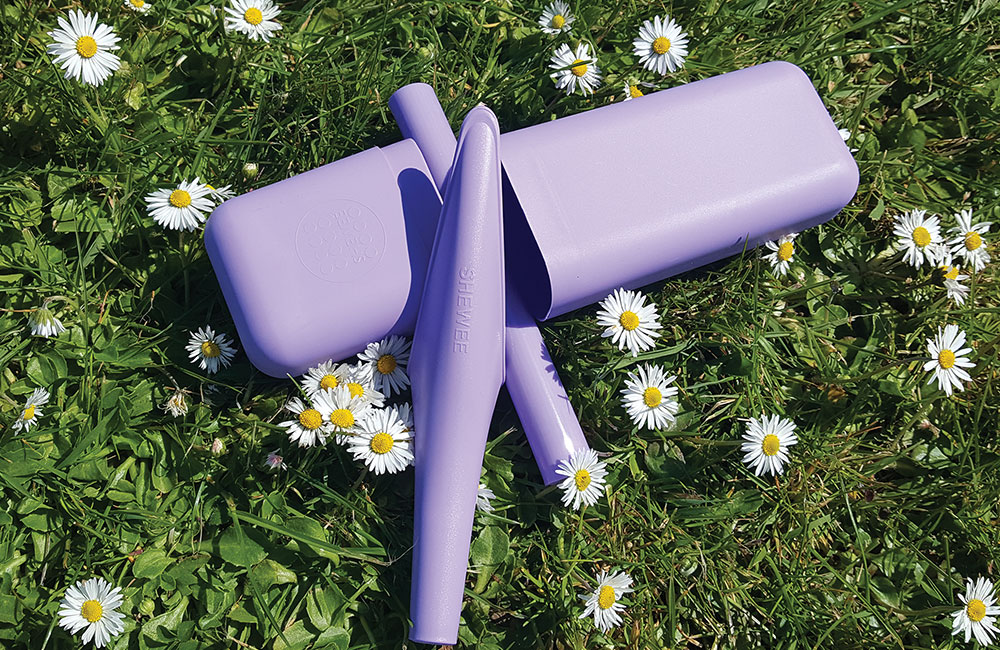
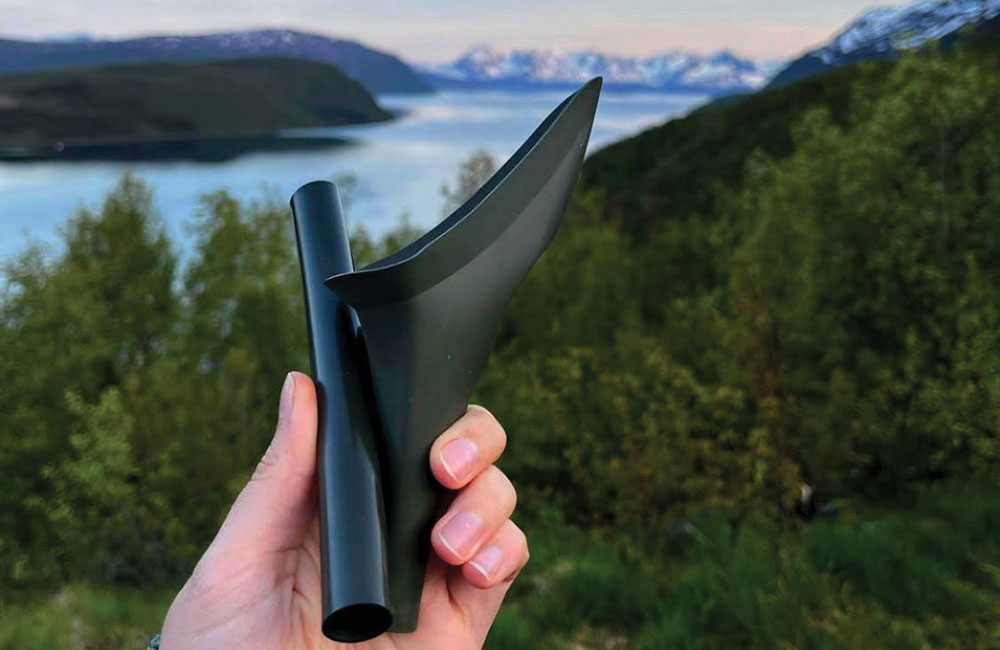
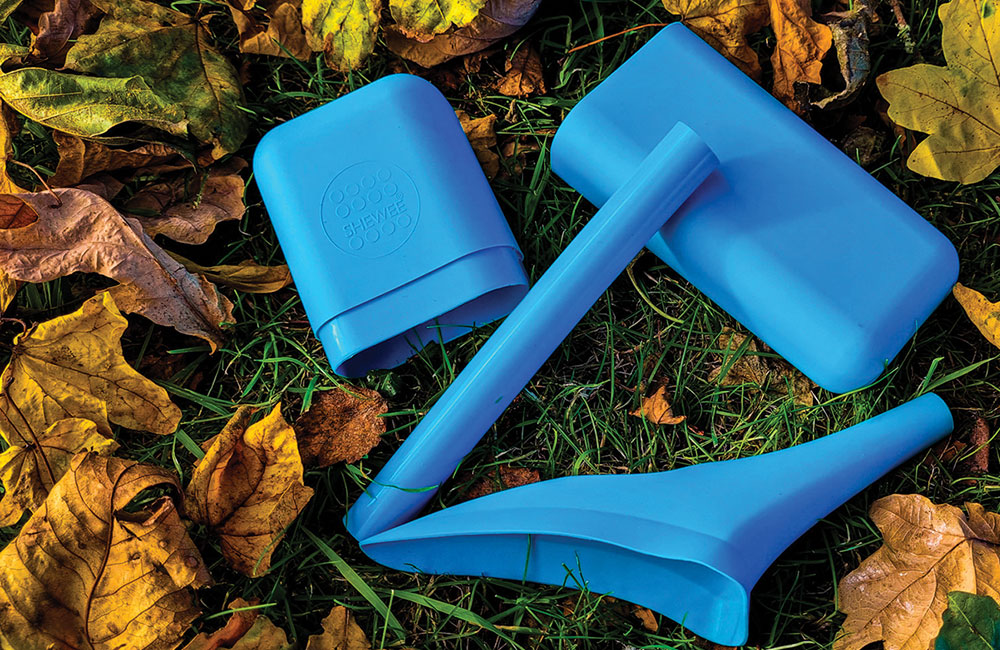
For ladies, the situation is to go ‘au naturel’ like males but in a crouching position, or use a female urination device (FUD). FUDs allow standing urination and are now available in a variety of formats (e.g., Shewee, GoGirl, pStyle, Freshette).
Discretion in performance is the key word here. It is unlikely that urination will last that long. However, discretion is key. It is recommended to urinate at least 30 metres away from freshwater streams or lochs/lakes to prevent localised pollution and to stay out of sight of other users in the area. You might also think about adding a splash of water from your water bottle to dilute the urine and reduce odours.
Solid waste etiquette: The number 2s
Always carry a ‘poo kit’ containing a lightweight trowel, unscented toilet paper, hand sanitiser, and sealable bags.
- Don’t leave toilet paper under rocks or logs.
- Don’t burn toilet paper, especially in dry areas. Wildfires have started this way.
- Don’t bury wet wipes. Even ‘biodegradable’ wipes often persist for a long time.

The Cathole Method (if the location allows):
- Find the Spot: Choose a location at least 30 metres away from water or the campsite. Ideally, choose rich, organic soil where native microbes will accelerate decomposition.
- Dig Deep: Dig a hole 15 cm (6 inches) deep and 10–15 cm wide. This depth retains faecal-matter odours while keeping waste in the biologically active soil layer.
- Do the number 2.
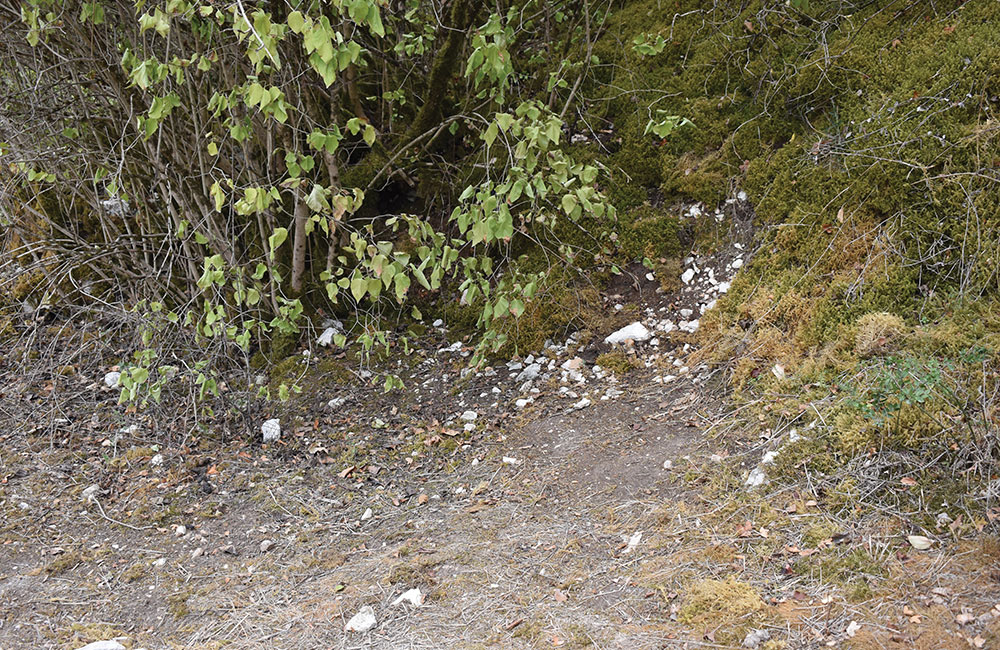
- Cover and Disguise: Fill the hole with the excavated earth, pack it down, and scatter natural debris (twigs, leaves, moss) over the top to mask the site.
Decomposition rates vary dramatically in a cathole depending on the environment:
- Warm, moist forests: A few months to one year.
- Temperate conditions: one to two years.
- Cold or dry: Several years or longer.
However, because toilet paper and wet wipes degrade much more slowly than human waste, always pack them out.
The alternative, ‘pack it out’ method. Animals may dig up toilet paper and wipes. Place all used paper and wipes (and menstrual products, if appropriate) into a sealed plastic bag and carry them out. You can buy dedicated waste-packout bags called Waste Aggregation and Gelling (WAG) bags, or use a sealable or zip-lock bag to carry all solid waste home.
A typical WAG bag kit includes an inner waste collection bag, gelling and deodorising powder, a larger outer disposal bag with a secure closure, and, in some kits, toilet paper and hand sanitiser. Of course, these commercial WAG bag kits have environmental issues related to plastic waste generation, manufacturing footprint, landfill disposal, and the risk of improper disposal.
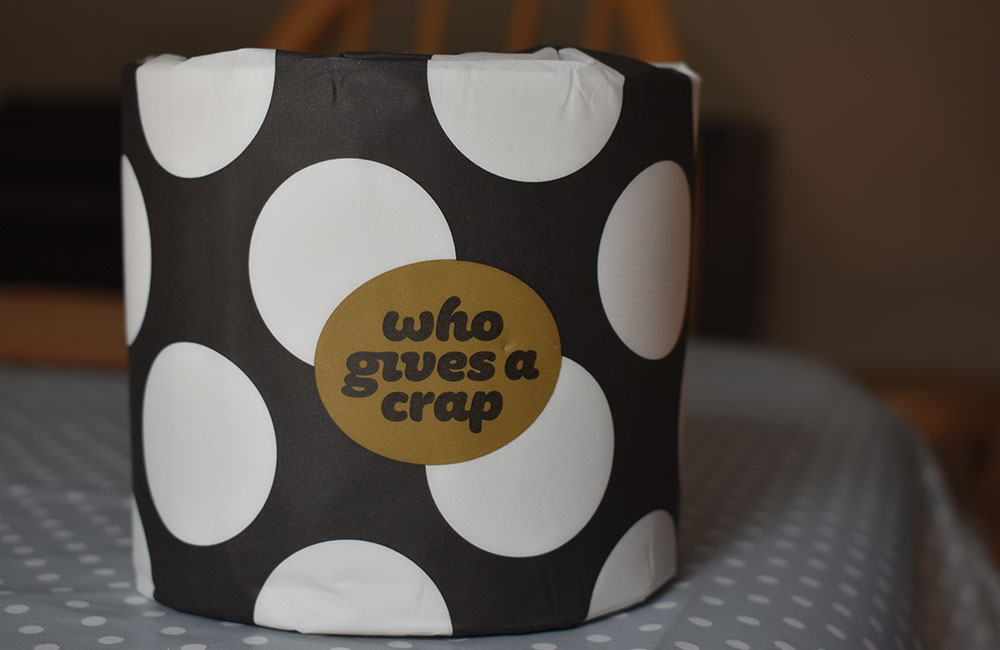
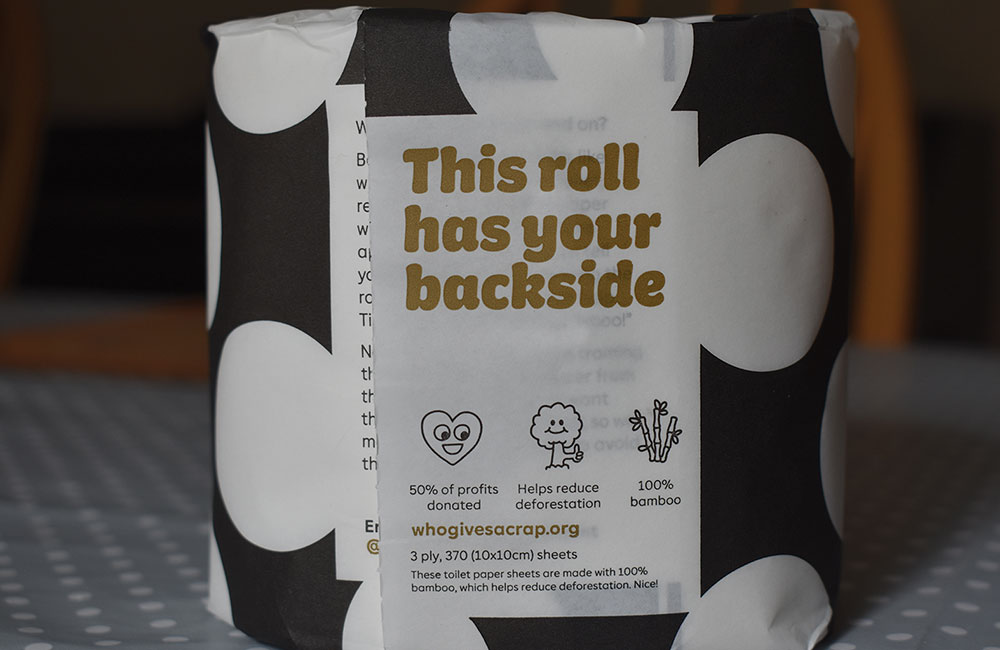
For a more environmentally friendly option, I recommend natural materials (large soft leaves from plants known to be safe and non-irritating, or moss), biodegradable wipes, and bamboo toilet paper (Who Gives A Crap, Bumboo, and The Cheeky Panda).
Core Principle: Guard Our Wild Spaces
Outdoor ethics aim to safeguard vital water sources, protect native wildlife, and defend public health. Whenever you venture outdoors, always follow Leave No Trace principles and any site-specific regulations. In many fragile or heavily trafficked environments, you are ethically required to pack out all human waste using a dedicated containment system rather than burying it.
Always wash your hands with water or use hand sanitiser afterwards, whether a number 1 or 2.
Further information
https://www.mountaineering.scot/safety-and-skills/health-and-hygiene/outdoor-toileting
https://www.centuryinshoes.com/articles/best-female-urination-devices