Words:
LIAM KIRKHAM
Photos:
Michael Clampitt &
Gene17kayaking
Liam Kirkham
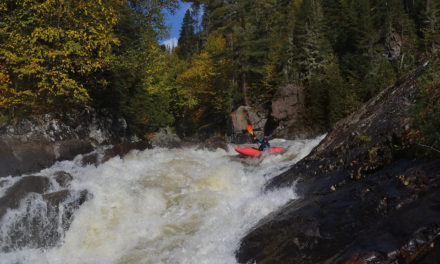
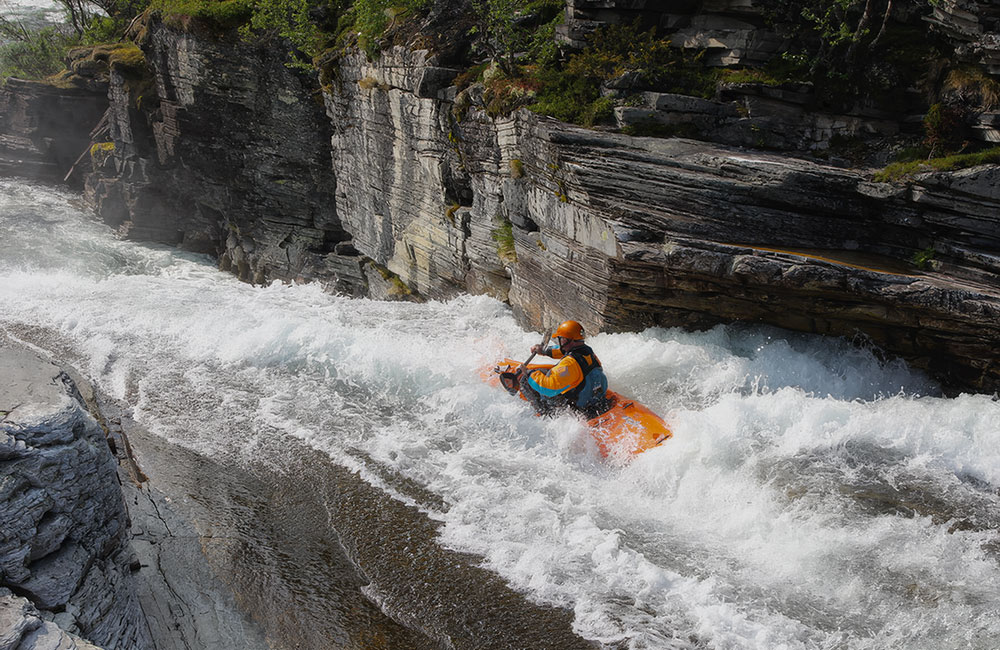
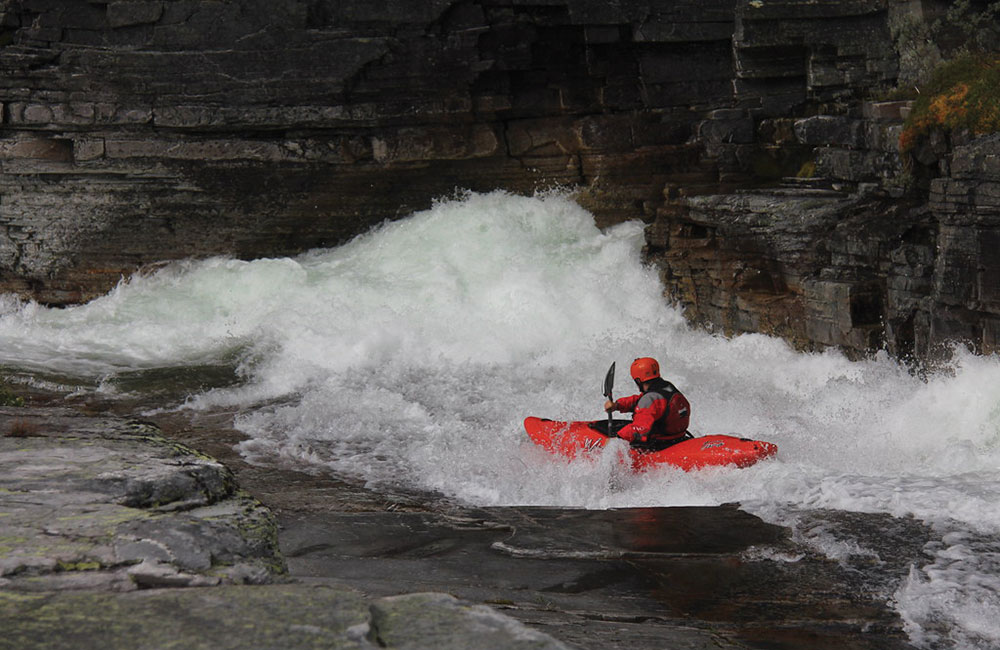
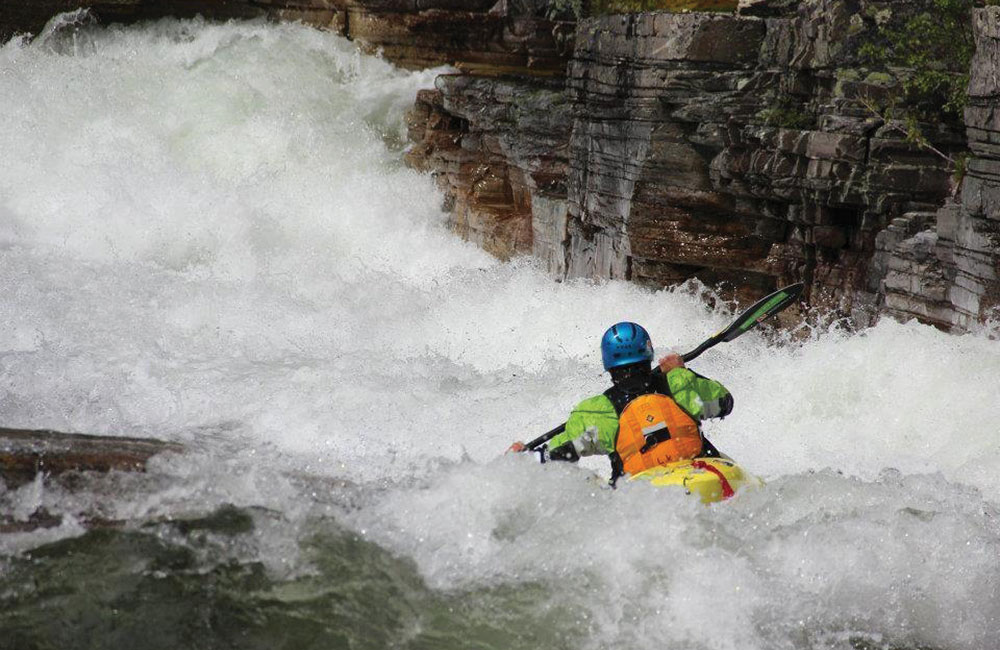
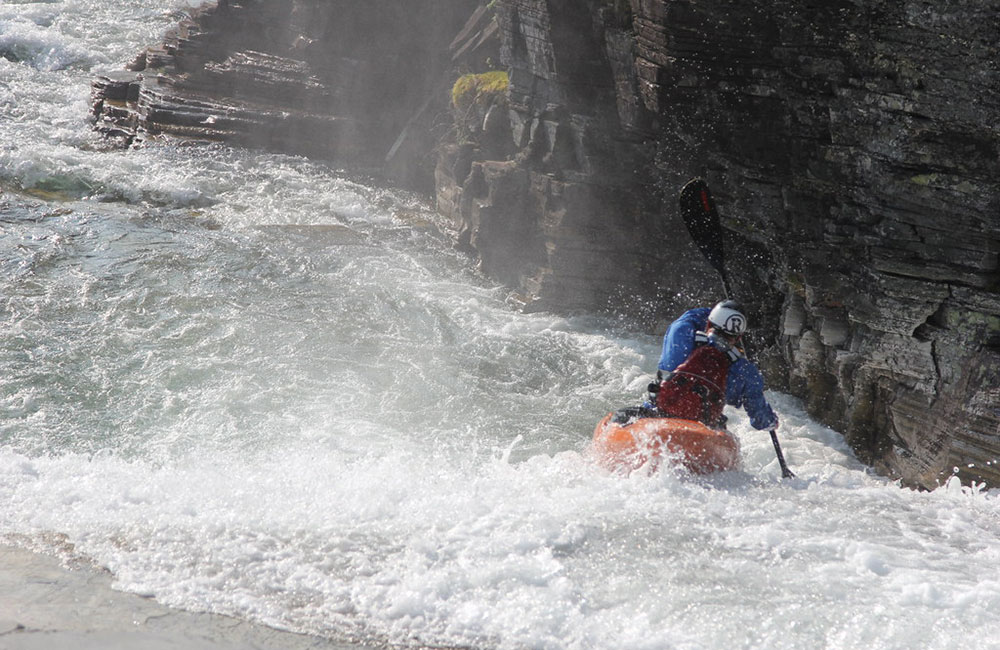
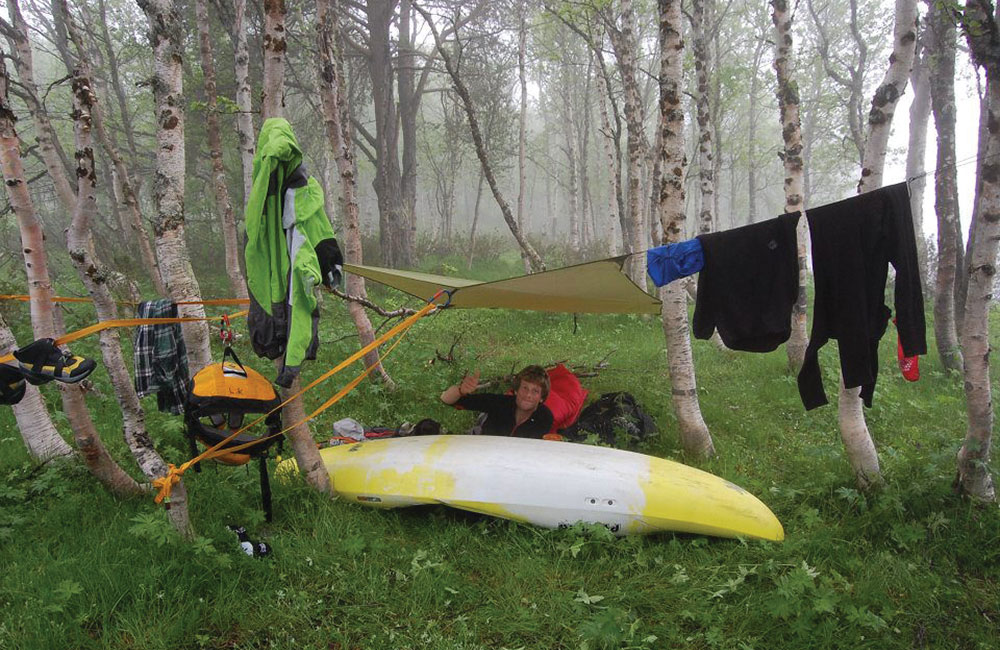
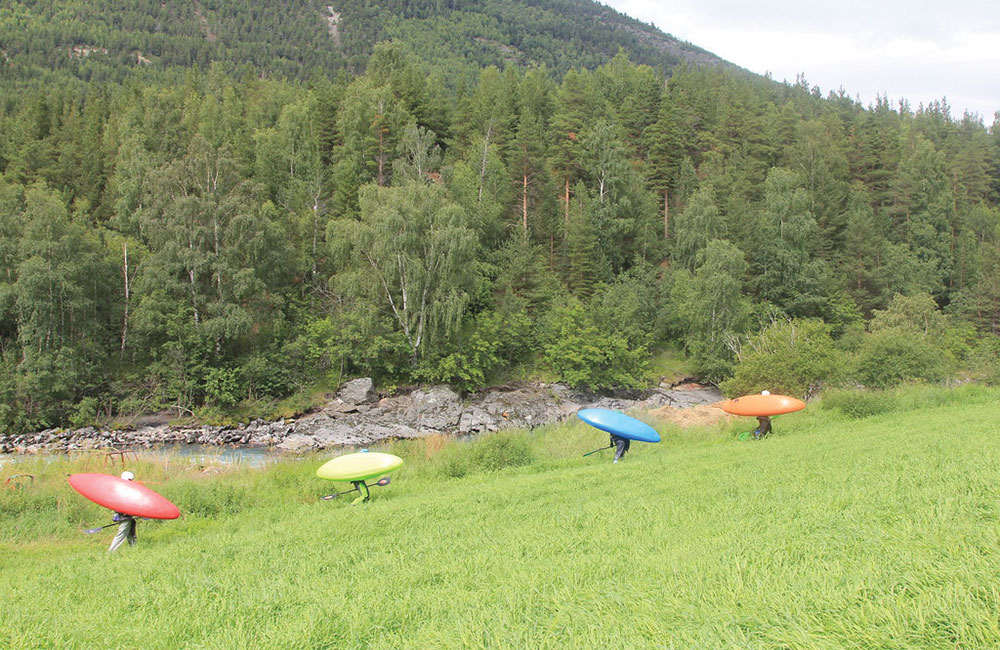
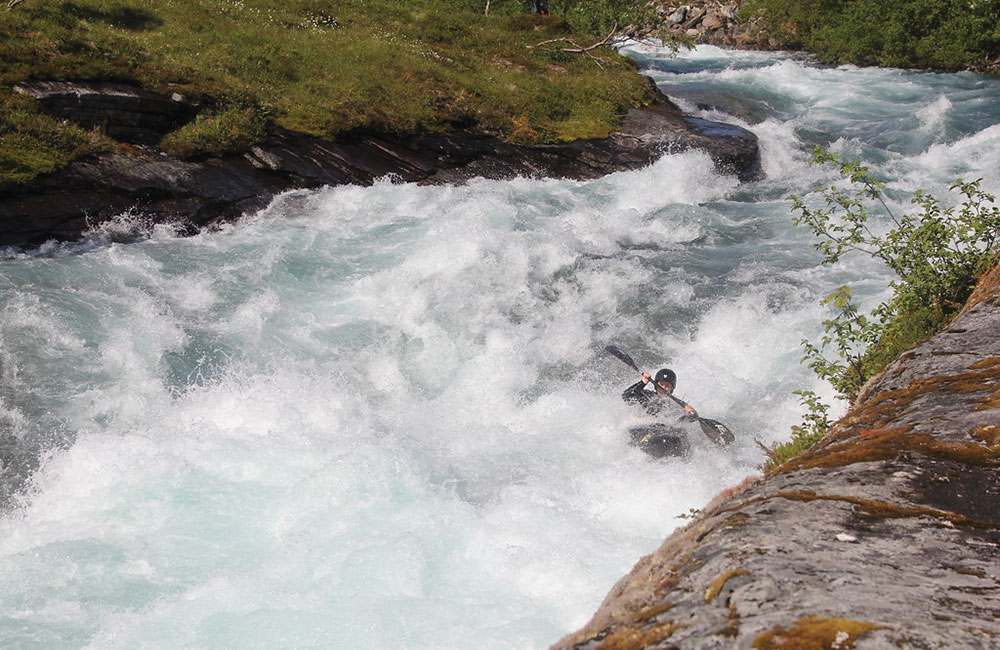
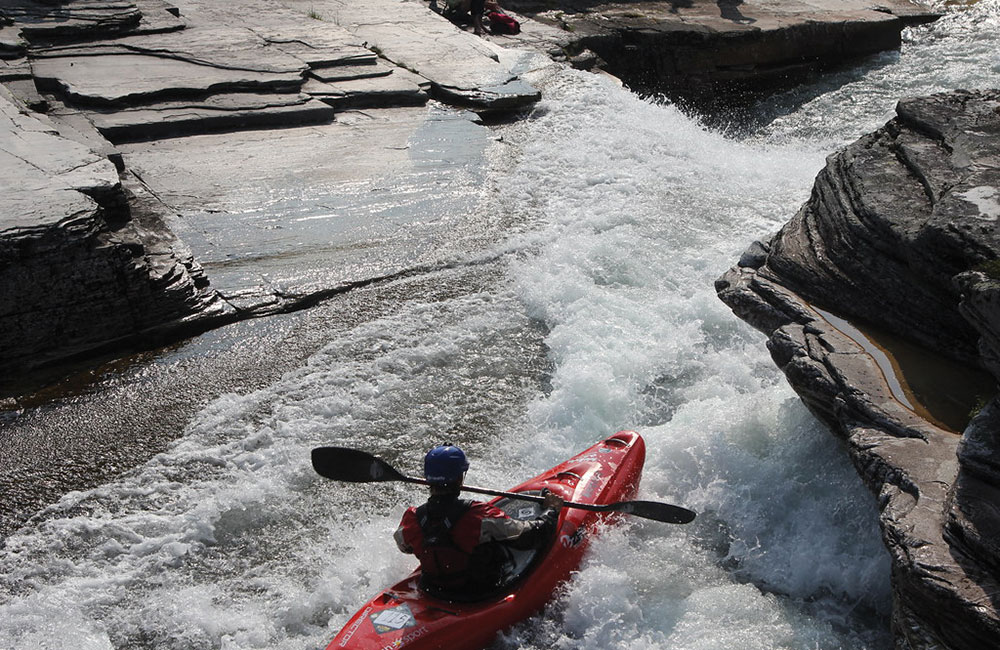
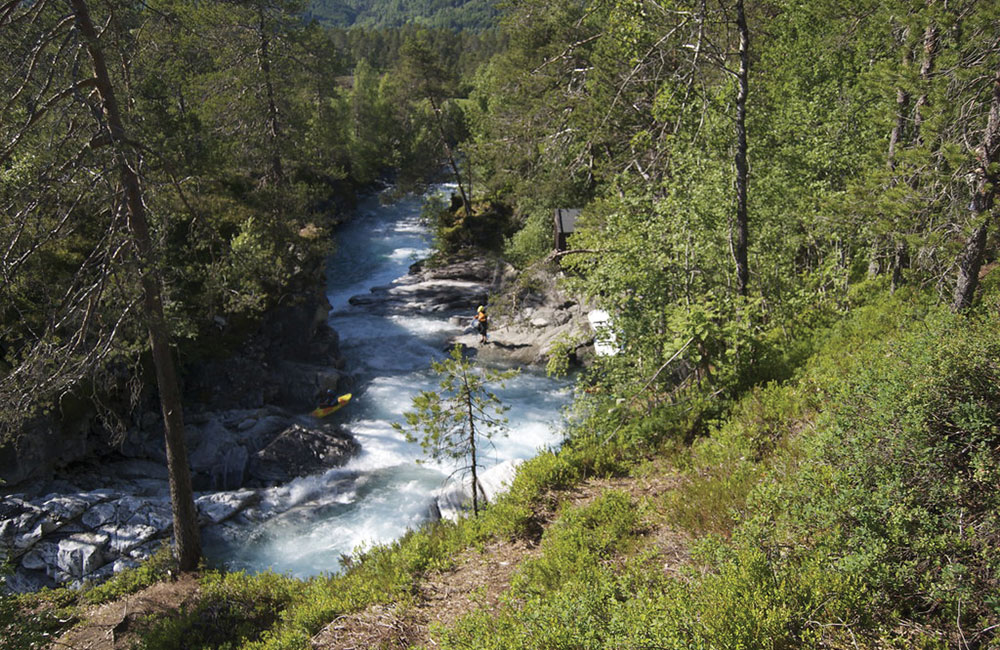
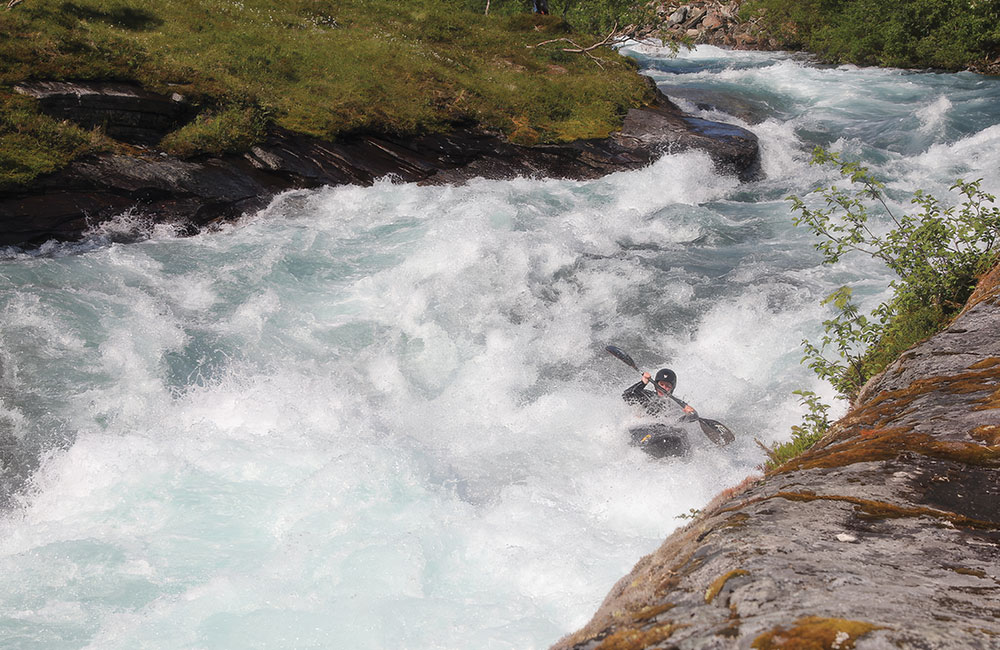
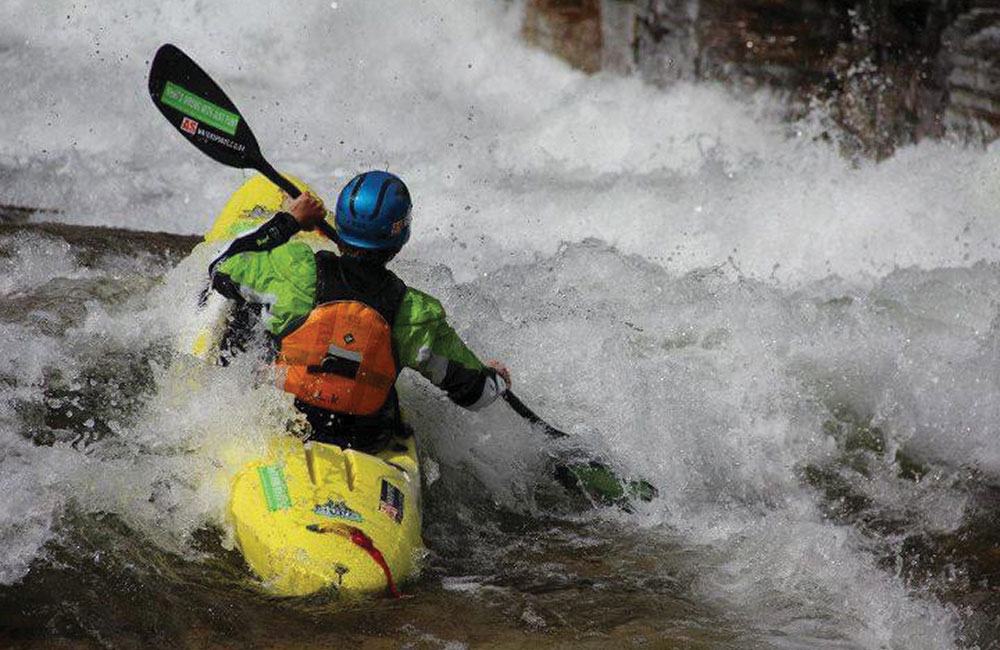
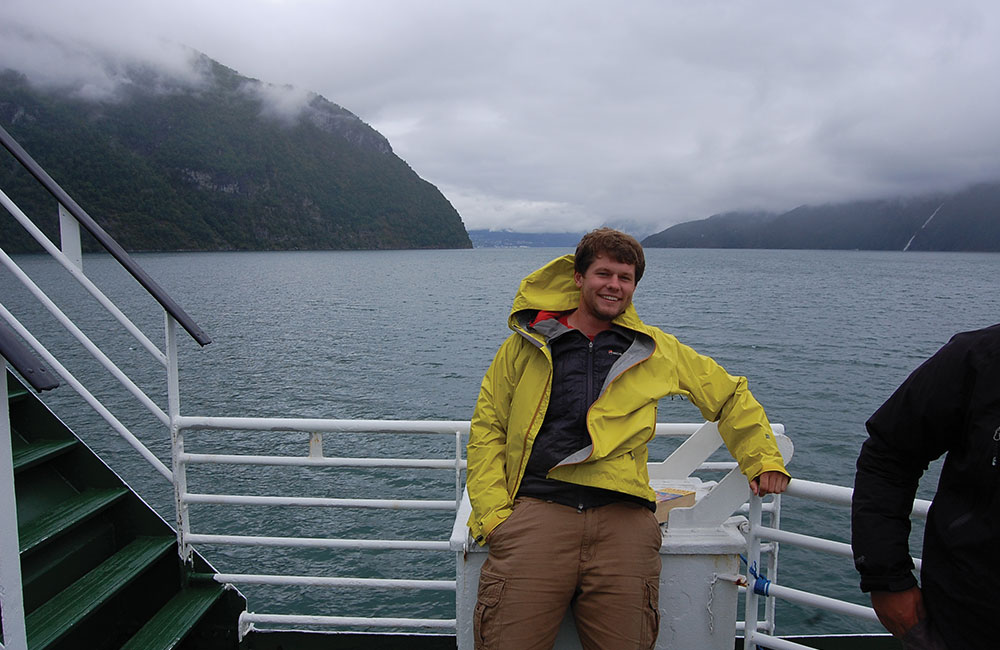
No photos are from the river on the day in question, but to give a flavour of Norway’s whitewater.
Photo credit from lesson 3 in the last issue must go to Forest Kan, whose name was missing from the text. Thank you, Forest, for your photo.
Liam Kirkham’s lessons from the river 4
I’ve spent an ill-advised amount of time, money and energy on kayaking. It’s taken me all over the world, and despite never being a great kayaker, I racked up a fair bit of experience. I’m not kayaking as much as I used to, but looking back I realise the river has handed out some of my biggest life lessons. However, that may say more about my lack of education than anything. I want to share some of these lessons with you in a series of ten true stories. Expect tangents, pseudo-philosophy, solid advice and utter nonsense. I’ll leave it up to you to decipher which ones are which.
It’s my fourth and final ‘lesson from the river’.
It’s a worthy reminder, so I do encourage you to finish it.
This story comes from way back in 2013, in Norway. Norway had been somewhere I’d been keen to paddle since my first year paddling. I had seen DVDs, read articles and seen photos of big, powerful, deep whitewater set in wild and vast landscapes. I thought my ability had now caught up with my aspirations.
I’ll let you know now that, though it turned out to be a very memorable trip, it was not for a good reason.
Dirt-bagging
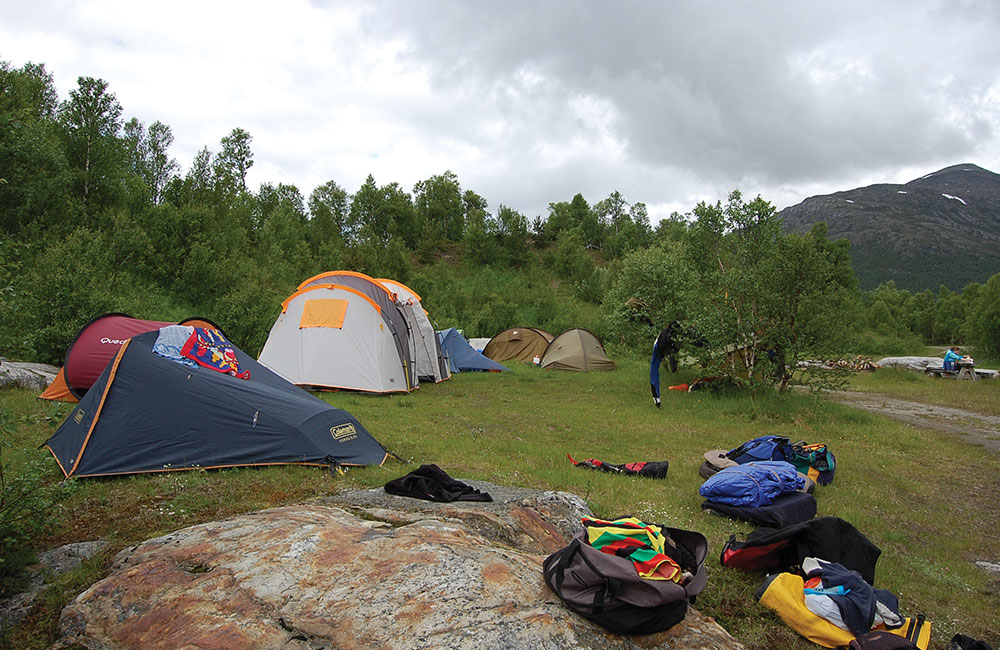
The usual gang bundled into a few vans for the road trip. We were dirt-bagging the trip, so along with our kayaking gear we had tents, tarps and food, and our kayaks were full of beer and bags of wine, as alcohol in Norway was prohibitively expensive.
The trip never really got started. The water levels were higher and the weather greyer and colder than expected. Logistics were also getting the better of us as we tried to find suitable rivers. We got some sections in, but it proved to be nowhere near as action-packed as we thought it would be. No one really seemed to care or grumble, though. We were enjoying the company and the adventure side of it.
A few days into the trip, and itching to have a good day on the water, with the help of the guidebook, some ‘regulars’ and locals, we got to the put-in of a river that would work for us, despite it being on the higher side.
The scenery was wild, and the air was fresh. We kitted up and got on the river. Over the last few years, we had been paddling in the UK, Italy, and France. The power and scale of Norway’s whitewater was new to us. We were getting to grips with it, but it was challenging.
There were maybe ten of us. Despite the speed and power of the water, our progress was slow because we were cautious and had a couple of swims. A couple of our group decided to get off the river, and we made plans to collect them when we were done.
So we made a new plan. To speed things up, a few others and I would go ahead, sort the shuttles and collect those who had walked off the river.
The other pod would steadily carry on behind us.
The first pod, including myself, got to the take-out and I remember feeling we had really met the challenge of the river and were stepping up our game. We collected our friend and waited for pod two to turn up.
This is when the day began to unravel.
A messy blur
This memory is a messy blur. I have changed the names of the people who were there that day.
We were changed and waiting for the second half of our team. It was taking longer than we thought and, just as the faintest feeling of worry entered my mind, I heard a familiar voice upstream that put me at ease.
My closest mate in the group, Matt, was walking down the bank amongst the large rocks and trees. There was a lot of noise and people in the background.
As I went to greet him, he looked at me and blurted out, “I think James is dead.”
It didn’t compute. There wasn’t a James in our group. But as I followed him upstream towards the noise, he explained that they had joined with another group, swapped names and carried on together, but there had been an incident.
We arrived at the scene. I’ll keep this bit brief and blurry. The story was recounted to me on the bank.
James had swum – a normal swim at first. The river was wide, in flood, large and powerful. People had offered their bows and sterns and, for a while, James had held on. He had also tried to swim. People had thrown lines. The swim was long. He lost strength. All efforts to aid him to the side didn’t work.
Timing his breath must have become difficult, and he began to convulse, then lost consciousness. His limp body was swept into a huge mid-stream boulder. He came to an abrupt stop, fully submerged.
Some paddlers were on the river near the huge tabletop rock, trying unsuccessfully to access him. The others were with us on the bank.
The emergency services had already been called, and soon a helicopter arrived. As mentioned, this memory is all scrambled, but the clearest part is watching the helicopter hover directly over the river. The power of its blades morphed the rapid into a bowl. The rescue team were lowered onto the mid-stream rock.
I didn’t see the rescuers pull James out of the river and connect him by a winch to a gurney, but they must have, because my next memory is of him being lowered onto the river bank next to us.
He was pale and lifeless. His PFD and drysuit were cut open, and CPR began. Ambulances arrived up above us on the steep bank, and we took turns carrying him up through the woods.
James was taken into the ambulance. Phone numbers were swapped. The helicopter had gone. A phone call later confirmed what we had already suspected: James had been declared dead.
I learnt a few lessons on the river that day. However, the lesson I want to share with you now is what happened in the immediate aftermath and how important it was to us.
By now it was late. We didn’t know what to do with ourselves. Something we knew might happen one day had happened. It had immediately scraped the joy out of kayaking for us.
Hungry and tired, we walked into a burger bar and sat down together. We flicked from being very quiet to discussing the ‘what ifs’, to making plans to cut our trip short and head home.
A tall blonde lady
We were the only ones in there, apart from a tall blonde lady in her mid-to-late twenties. She wandered over, smiled and, in a Norwegian accent, asked, “Are you guys kayakers? Did you hear about the incident?” Her jaw dropped when we said, “Yes,” and explained that we had been there. She introduced herself to our group as Liz and asked where we were staying.
We told her, “We’ll find a wild camp spot somewhere,” and without a beat she responded, “No. You will all come and stay at my cabin.”
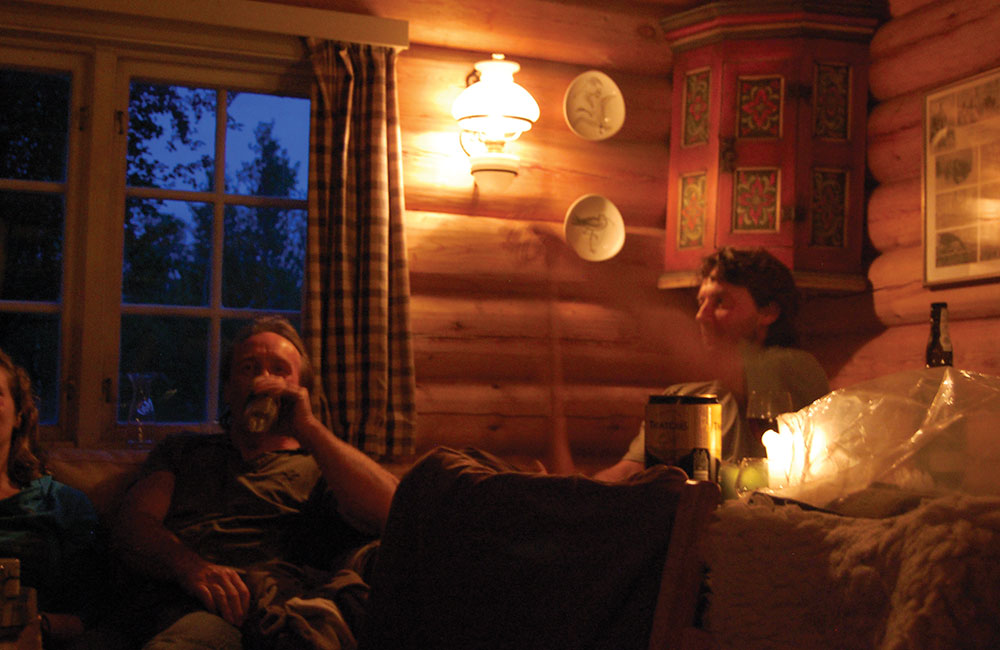
So, at 22:30, our group of 11 followed Liz’s beaten-up little car for 40 minutes to a remote glade with about a handful of off-grid cabins with grass roofs. Liz explained it was her family’s cabin and insisted we make ourselves at home. Liz flicked on the lights and brought out snacks, Jägermeister, beer and blankets.
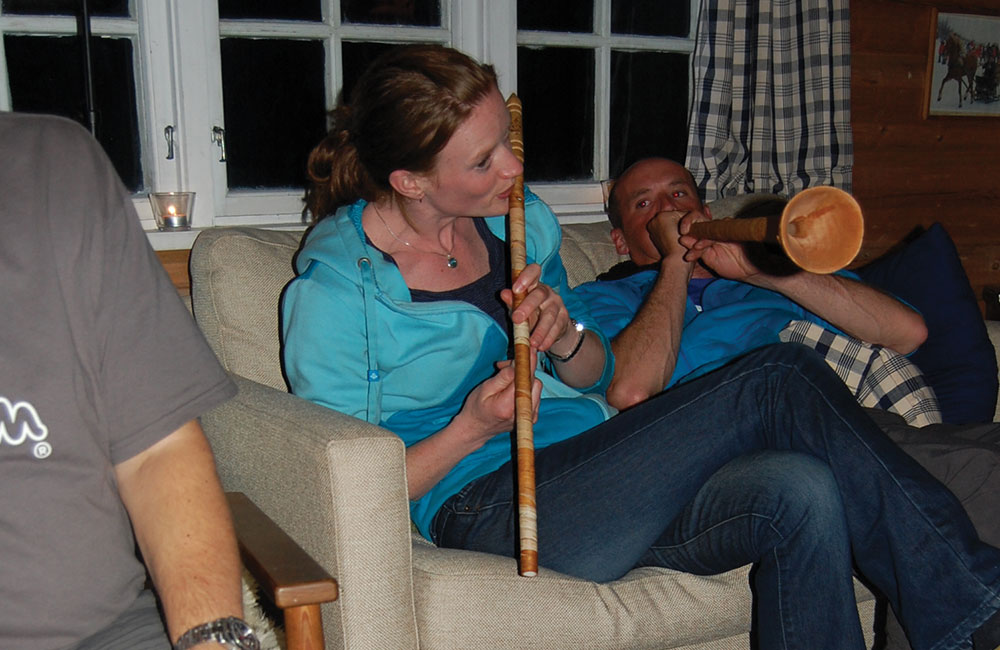
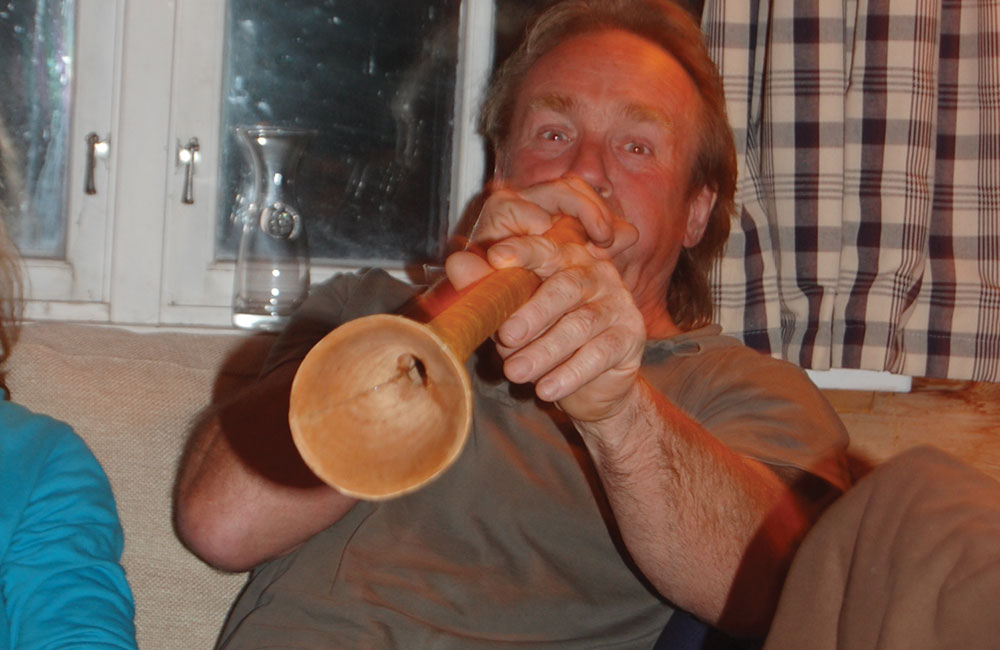
We didn’t discuss the incident. We spoke to Liz, a keen kayaker herself, about our previous trips, and she told us about her kayaking adventures. The cabin was warm and cosy. After a few more Jägermeisters and an impromptu jamming session with a didgeridoo, we got under our blankets. Liz said a warm goodnight to the ten dirty, smelly strangers lying spread across her lovely lounge, went to bed, and we fell asleep.
We stayed in Norway a few more days at Sjoa Camp. We kayaked a couple more times, hung out together and tried to cheer each other up. We even saw Liz a few more times. The days afterwards really helped us make sense of what had happened.

A real sliding-doors moment
Meeting Liz that night was a real sliding-doors moment. It’s quite easy to imagine that we would have headed home the next day without a chance to reflect and kayak together.
In the wake of a horrible incident, a stranger showed a large group of strangers a huge amount of kindness.
I can speak for the group when I say it acted as a salve to a raw wound.
So I’ll leave you with my final ‘lesson from the river’…
Be Kind.