Words:
Jay Hampton
Follow Matt
On social media at @meetmattfraser or visit https://meetmattfraser.com for tour dates & more!
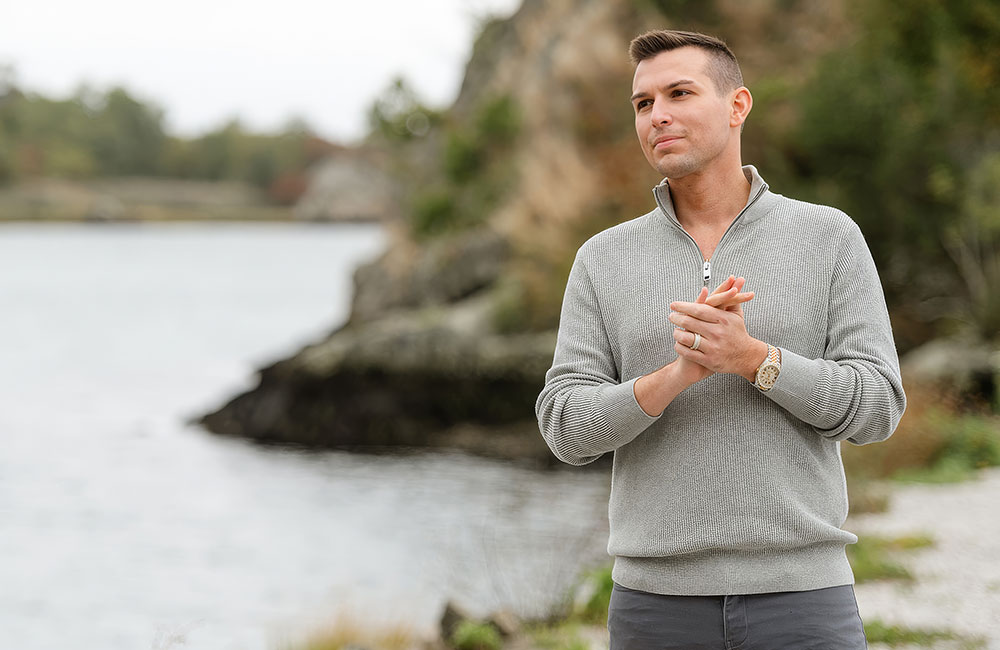
What the Water Carries: Matt Fraser on nature, grief and the afterlife
Something about being on the water changes the way we think. A few paddle strokes can put distance between us and the noise on shore. The phone stays tucked away. Emails can wait. Traffic disappears. Instead, we hear the rhythmic sound of a paddle entering the water, wind moving through the trees, and the subtle movement of a kayak or canoe beneath us.
For many paddlers, fishermen and outdoor enthusiasts, these moments provide more than recreation. The water can become a place to think, remember, grieve and reconnect with parts of ourselves that everyday life has a way of drowning out.
America’s Top Psychic Medium, Matt Fraser, believes there may be an even deeper reason people experience such a powerful connection to these places.
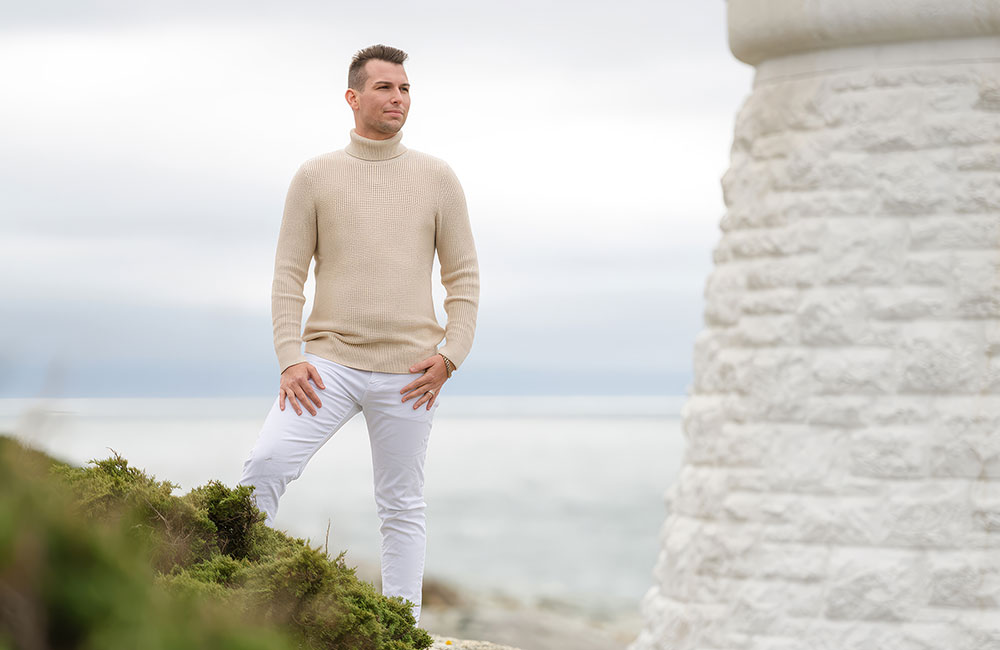
Fraser, a New York Times bestselling author, star of the E! television series Meet the Frasers and touring psychic medium worldwide, has spent much of his career speaking with people about death, grief and what he believes happens after we leave this life. Through thousands of readings and encounters with families, he says one theme has repeatedly emerged: The things and places that brought people genuine happiness during their lives remain deeply connected to them after death.
“One of the things I’ve learned through my work as a psychic medium is that when we die, we don’t leave behind the things that brought us joy,” Fraser says. “In many ways, we take them with us.”
For outdoorsmen and women, that idea can resonate in particular ways
Fraser says that during readings, people who spent their lives fishing, boating, paddling or exploring the outdoors will sometimes communicate through imagery associated with those experiences.
“A fisherman might show me himself back out on the water in his favourite boat with a fishing rod in his hand,” he explains. “Someone who loved kayaking, canoeing, or simply being outdoors might show me a peaceful lake, a river or a favourite place where they felt completely at home.”
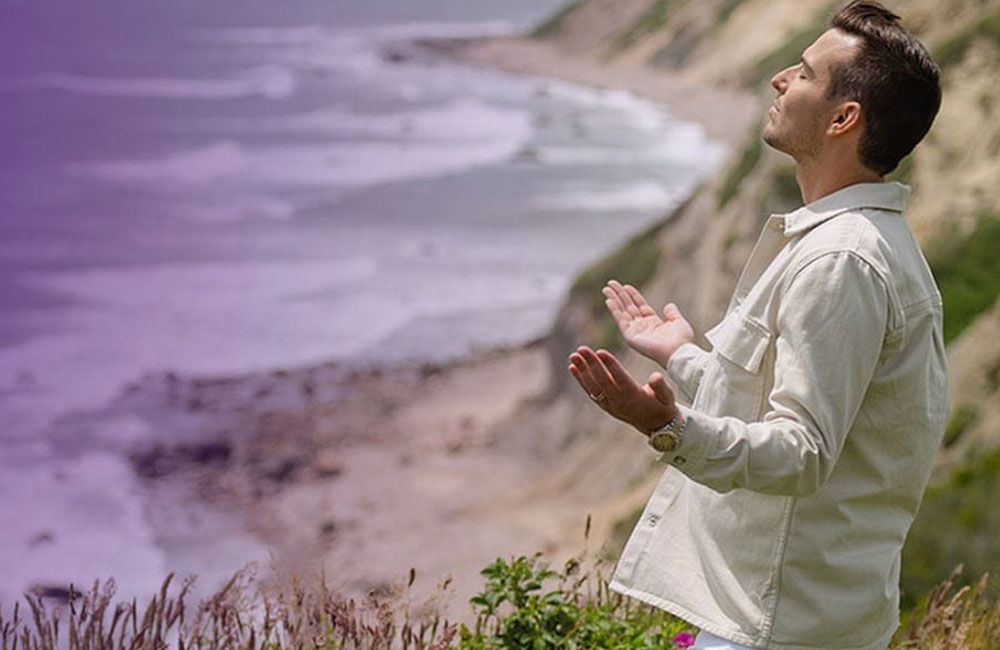
Fraser interprets those images as a way of communicating peace. His view of Heaven is not necessarily of one uniform landscape experienced identically by everyone. Instead, he believes the places, people, and experiences that filled someone’s life with meaning can shape how the afterlife is experienced – and how those who have passed communicate with those still here.
Whether or not someone shares Fraser’s beliefs about the afterlife, another part of his message will be immediately recognisable to almost anyone who spends significant time outdoors: Nature has a remarkable ability to quiet the mind.
Modern life provides very few opportunities for genuine silence. Phones buzz with notifications. Emails arrive around the clock. Social media provides a seemingly endless stream of information. Even when we technically have nothing to do, many of us instinctively reach for a screen.
The outdoors interrupts that cycle.
“When you put down the phone, get into a canoe or kayak and paddle out onto the water, suddenly the noise starts to disappear,” Fraser says. “You hear the water against the boat, the wind through the trees and the sounds of nature around you. You start paying attention to the present moment again.”
For Fraser, that transition is closely connected to the idea of grounding.
Grounding can mean different things in different spiritual or wellness practices. Still, Fraser describes it as getting out of your own head and returning your attention to what is happening right now.
Paddling almost seems designed for it.
Balance and movement
You feel the paddle in your hands, the blade’s resistance through the water, and the constant awareness of balance and movement. Your surroundings require attention – a current changes. The wind shifts. Wildlife appears along the shoreline. The sun reflects differently across the surface as the day progresses.
“When your mind is racing, and you are thinking about a hundred different things, it can be difficult to recognise what you are actually feeling,” Fraser says. “When you slow down, breathe and reconnect with the physical world around you, you create space to listen to yourself.”
That space can become particularly important during grief.
Outdoor places often serve as landmarks in our personal histories. A certain bend in a river may remind someone of paddling with a spouse. A quiet cove might be where a father taught his child to fish. A lake can hold decades of family vacations. An ocean shoreline might instantly bring back the memory of someone who is no longer there to walk beside us.
Returning to those places after a loss can be difficult, but Fraser believes it can also be meaningful.
“Maybe you return to the lake where you used to fish with your father, paddle the river you explored with your spouse or simply sit beside the ocean and think about someone you miss,” he says. “Instead of looking for a dramatic sign, sometimes the most powerful thing you can do is put the phone away, become still and allow yourself to remember them.”
Importantly, Fraser does not suggest interpreting everything in nature as supernatural communication.
A bird flying overhead is still a bird. A breeze moving through the trees can be weather. Ripples across a lake do not automatically carry a hidden message.
“That doesn’t mean every bird, ripple in the water or breeze is automatically a message from someone who has passed,” Fraser says. “But when we remove the distractions and become more present, we can become more aware of our memories, our intuition and the personal signs that hold meaning for us.”
That distinction offers an interesting perspective even for paddlers who may approach spirituality differently. Perhaps what makes the outdoors powerful isn’t that nature constantly sends us messages, but that it finally gives us enough quiet to notice what is already inside us.
On the water, there are fewer places for our thoughts to hide.

Miles travelled under your own power
The repetition of paddling can become meditative. Miles travelled under your own power create time for memories to surface naturally. Things we may have pushed aside during a busy week suddenly have room to emerge.
And sometimes those memories are attached permanently to a particular landscape.
Ask someone who has spent a lifetime outdoors about a person they have lost, and chances are the story will eventually lead to a place: a river, lake, mountain, campsite, fishing hole, beach or trail.
For Fraser, those connections do not simply disappear when someone dies.
“Death changes the way we communicate with the people we love, but it doesn’t erase the connection,” he says.
He believes those who have passed would not want the people left behind to stop doing the things they once enjoyed together – quite the opposite. Fraser believes continuing to explore, travel, paddle, fish and experience life can itself be a way of honouring them.
That might mean returning to an old family fishing spot for the first time without your father. It could mean taking the kayak your spouse loved back onto the river. It might simply mean sitting quietly at the edge of a lake and allowing yourself to remember a person without trying to force the experience into anything more.
People have sought out rivers, oceans, and wilderness for reflection for generations. Away from screens, schedules and crowds, nature creates an environment where the outside world becomes quieter, and the internal one becomes easier to hear.
Fraser’s work offers paddlers another way of thinking about that experience.
Perhaps the places we love become important not simply because of their beauty, but because of what happens there – the people beside us, the adventures we share and the memories we carry home.
And if Fraser is right, perhaps those places mean something even after our final trip from shore.
“I believe our loved ones want us to continue living, exploring and experiencing the things that make us feel alive,” Fraser says.
For many of us, the place where we feel most alive has always been the same: out on the water.