Words:
Emy McLeod
Emy McLeod
Photos:
Emy McLeod,
Liam Green &
Ray Goodwin
If interested in Coastal Canoeing expeditions or coaching in Scotland, reach out to Emy McLeod (www.empaddlesports.co.uk) or Liam Green (https://greenwaveguiding.co.uk).
Canoeing the Scottish coastline
I wanted to put together a piece about canoeing on the coastal waters, not as a statement that it is a great thing to do, which it is, but more as a metaphor for life, for seeing nature in one of its rawest forms, a much-needed reminder that the world is a beautiful place, amongst the chaos that is around us. It is easy to say slow down, take time out, go spend time in the great outdoors, but doing that can be challenging; it is the euphoric feeling that drives you to do more of it. I feel it, and others do too.
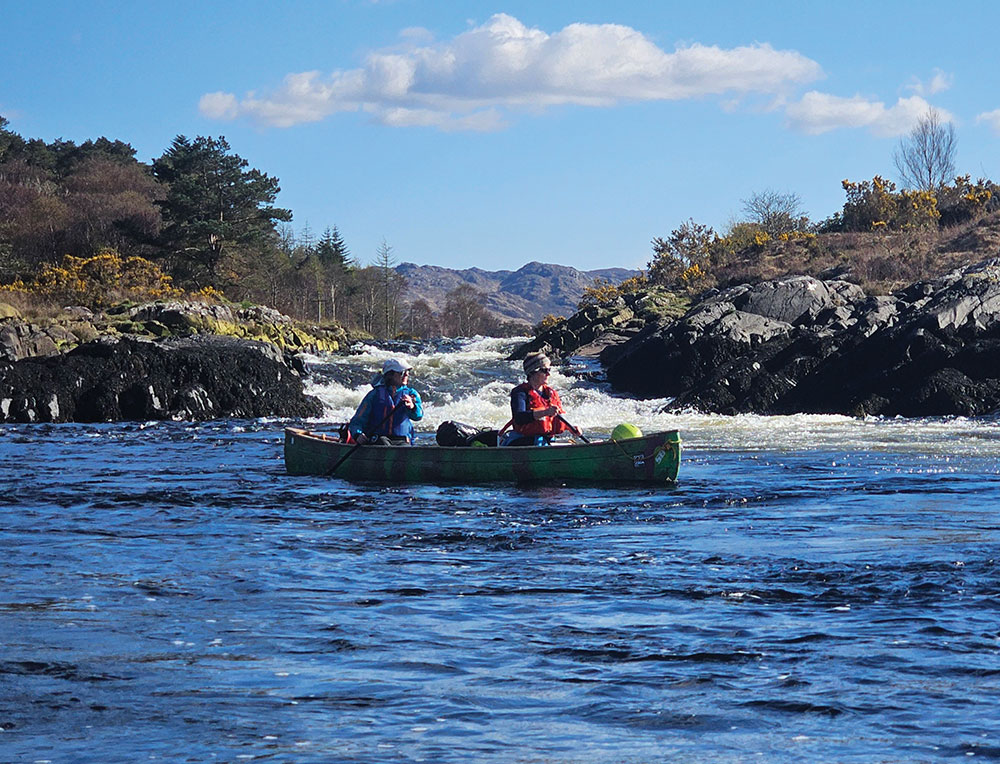
Why do I like paddling rivers? Adrenaline. Fast water. The technical challenge, the movement, the way the water meanders and travels.
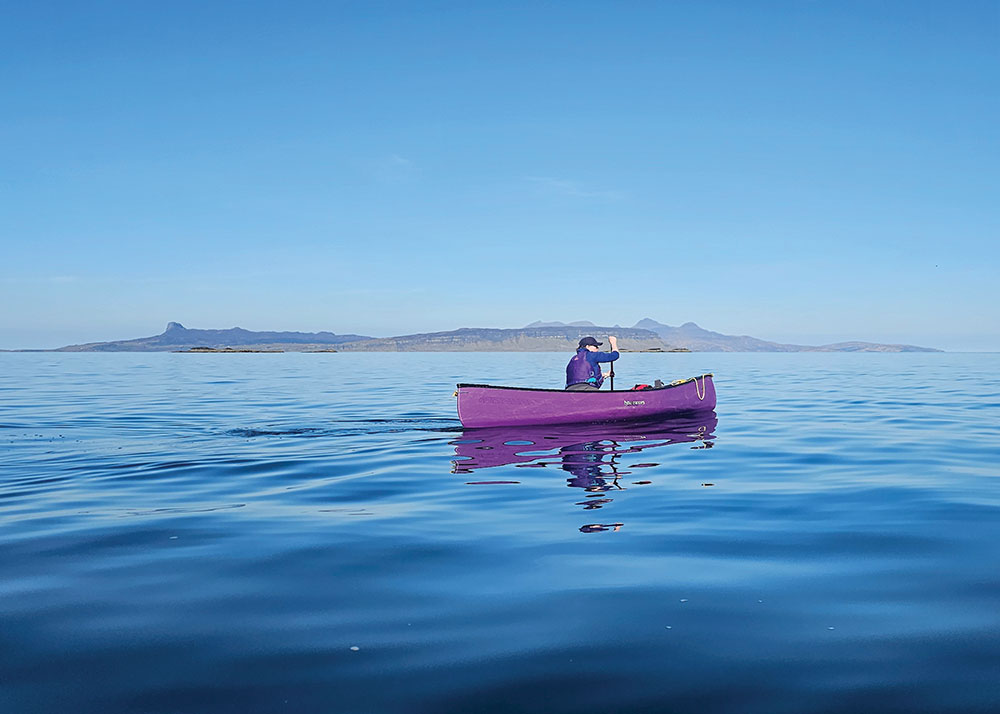
Why do I like paddling lochs? Openness. The challenge the wind presents, the remoteness of the places you can visit, and, in those moments, finding connection with the water.
Sea paddling, in turn, offers a unique set of experiences.
I had the fear!
At first, sea paddling was not something I had much interest in; the sea is vast, it is deep, the oceans are constantly shifting – tides rise and fall. In all honesty, I had the fear! I avoided the sea despite reading articles, blogs, and books about coastal journeys, all of which inspired me to launch the boat into the salty waters. It was through the understanding of the environment, which is more than ‘just wind’, and then gradually pushing myself into these environments, from a range of crafts: canoe, paddleboard and sea kayak.
Paddling with experienced sea paddlers increased my confidence, skill set & understanding – I still recall this one particular trip where my personal limit was tested, paddling round Reiff, West Coast of Scotland, and Liam pointing our direction of travel; then within a few moments I was seeing rising peaks and dipping troughs as our boats danced on different waves. Paddled on through and then to be reunited in calm waters, greeted by a swarm of jellyfish, a chuckle and a breath of relief that I had stayed upright.
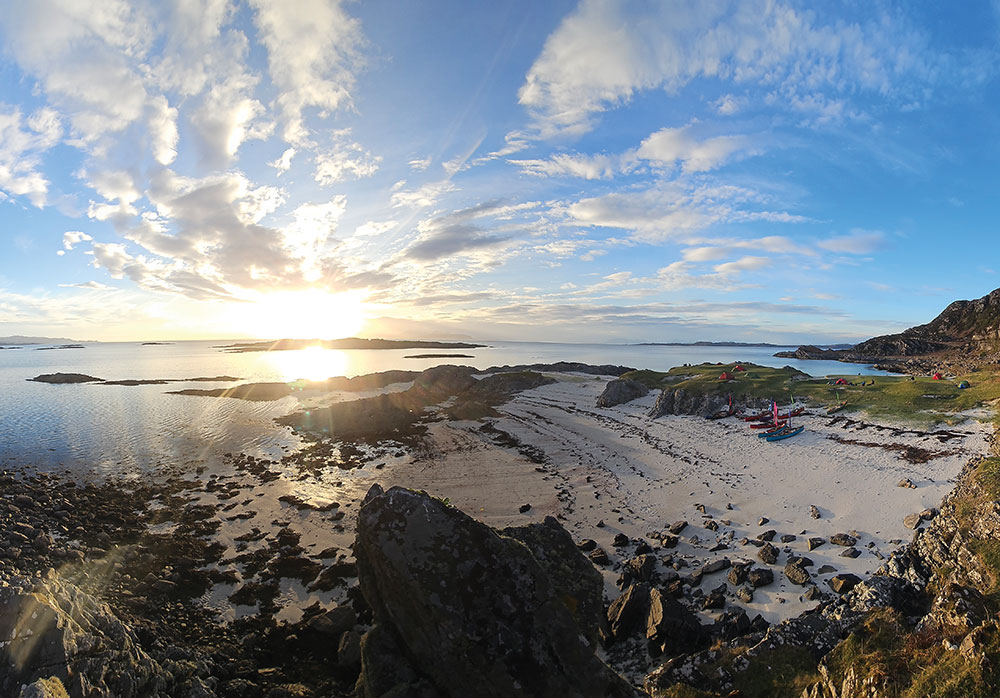
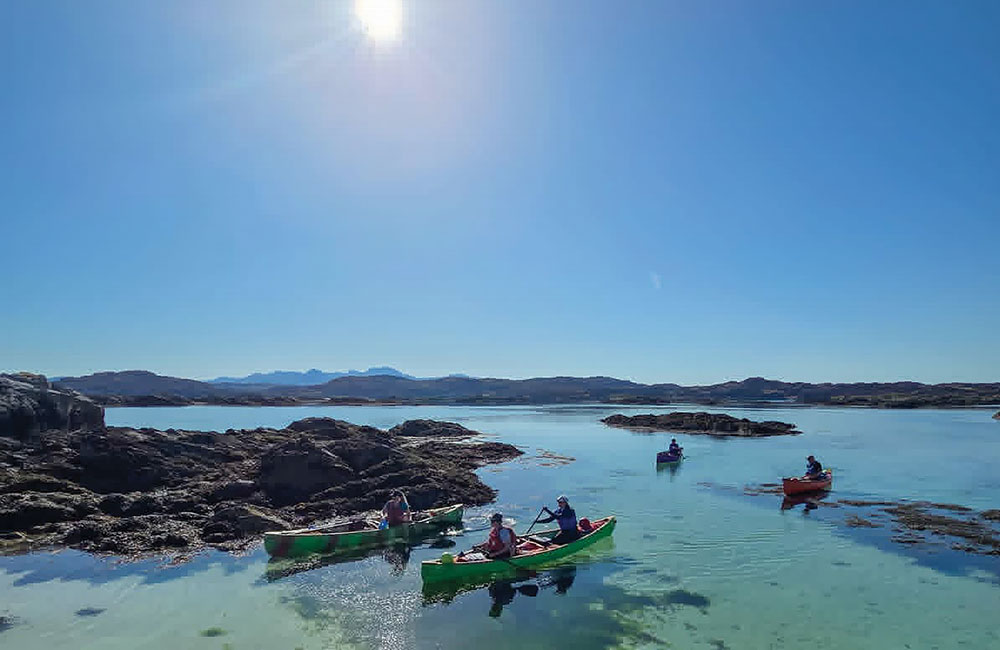
Paddling on the sea, especially along a rugged coastline, opens up a world that feels both ancient and undiscovered. The sea is constantly shifting, waves picking out unseen paths through rocks as they reach the shore, and cliffs and coves reveal white-sand beaches accessible only by water. The geology is incredible, with paddling past billion-year-old rock features that reveal the Earth’s plates that folded during continental collision.
Many factors to consider
Every journey, whether it is a day or a multi-day trip, feels exploratory, as though you’re paddling along the edges of the coastline, where the land meets the sea, on your own voyage of discovery. It is not without planning or judgement; there are many factors to consider before taking boats onto the water, including carefully planned routes to utilise the tides, and understanding currents is a necessity when paddling on the sea.
Have the knowledge before venturing on such journeys, or book a guide who not only has the knowledge but also experience in that location and how tides and currents affect it. Local knowledge is so valuable in all environments. Read the guidebooks, seek out localised information and plan carefully.
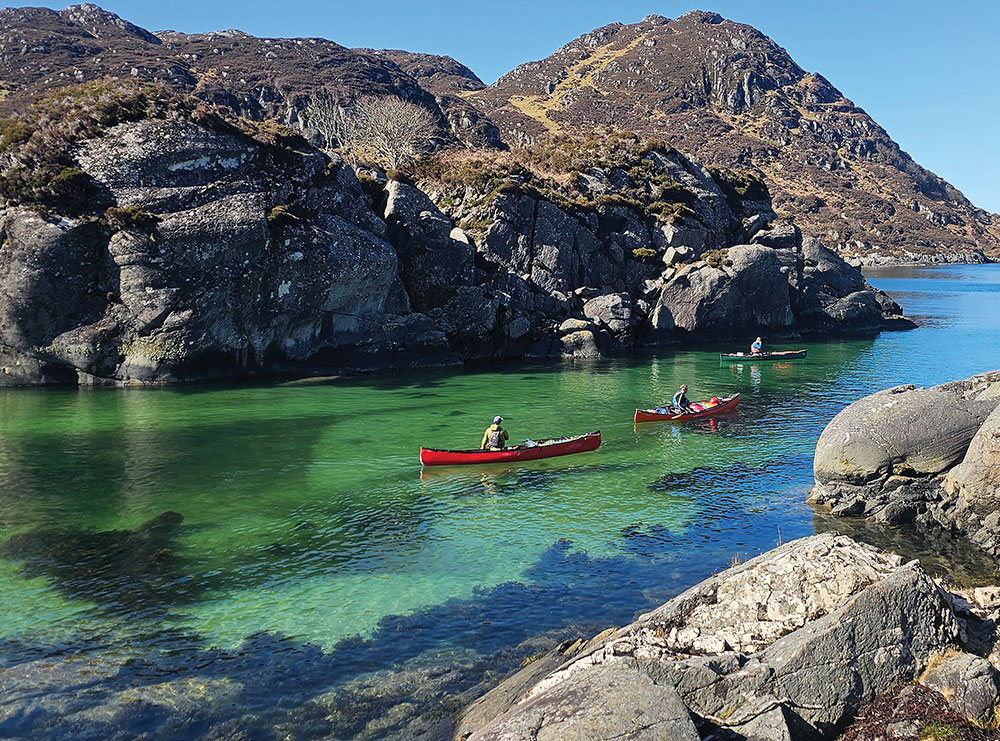
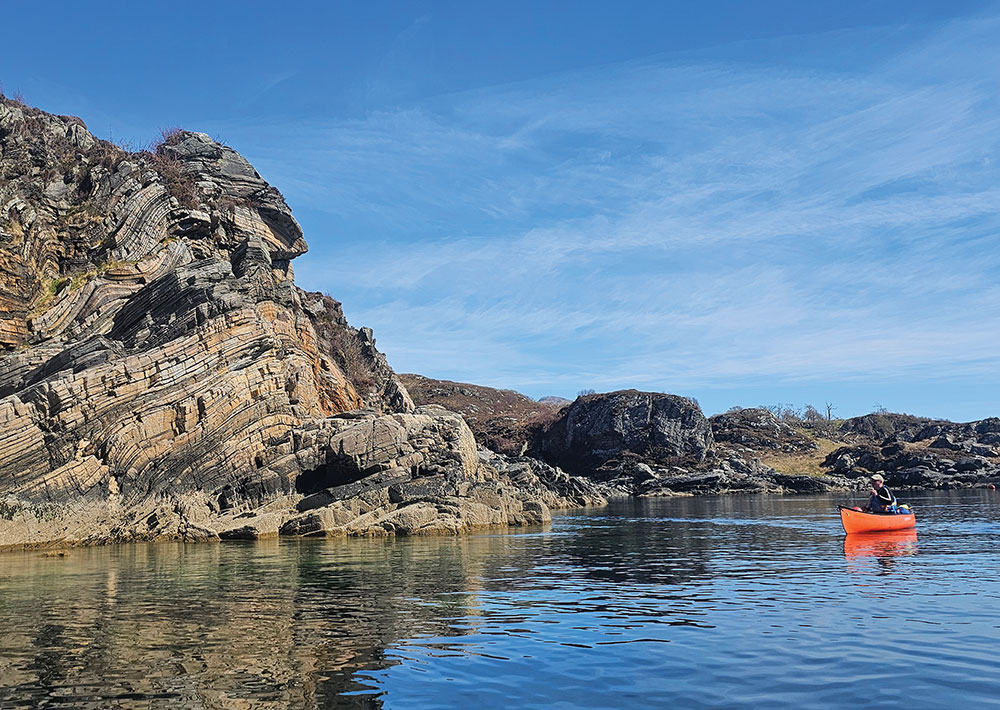
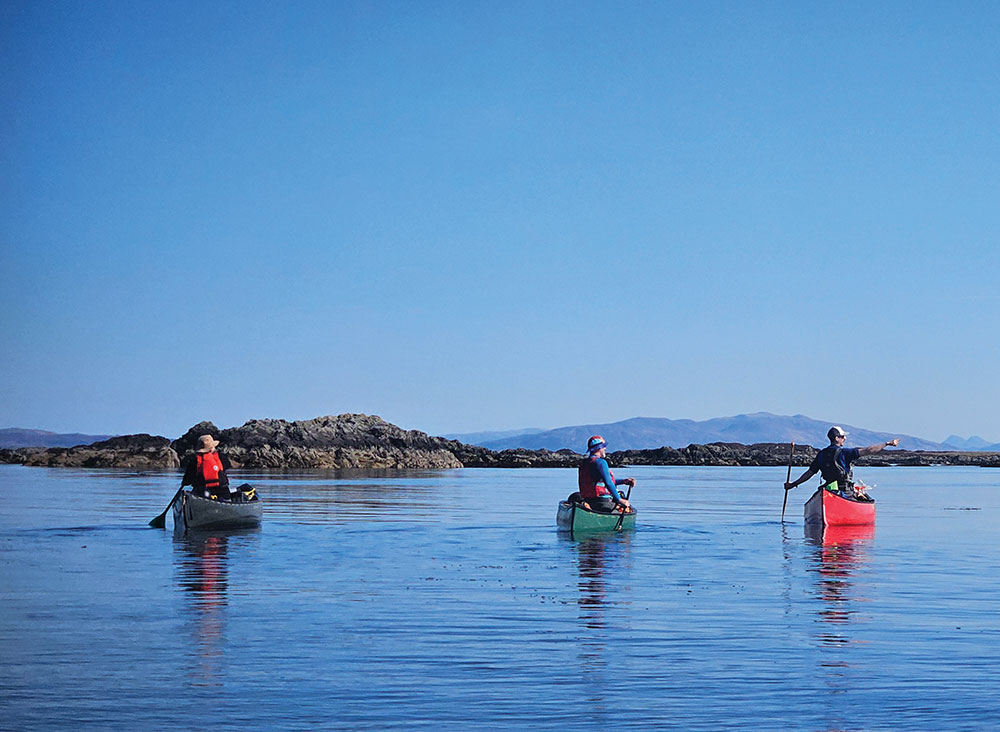
“Coastal canoeing is my favourite environment, not just because of its beauty and sense of adventure, but with its natural ability to challenge paddlers to stretch their comfort zones and grow, while still enjoying every single moment of it. Don’t knock it until you try it!”
Lyndsay McPhee; LM Coaching
Lyndsay McPhee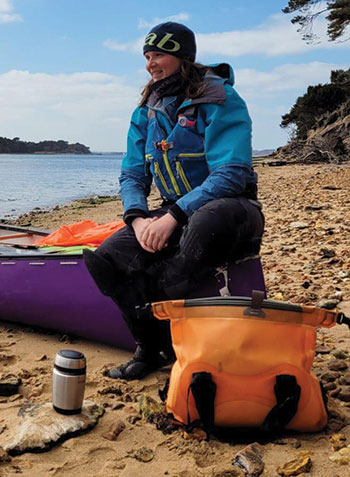
Centuries of history
Coastal environments are also alive with marine life and rich with stories. Stories of selkies and kelpies! Folklore is entwined with guiding; in Scotland, the phrase’ tales as old as time’ really does resonate with me.
There is more to places than paddling through them; there are centuries of history that connect people to the sea, stories of bravery, of death, and stories of mermaids and enhancement. When you visit these places, seek out the history, explore island ruins, research the area beforehand, talk to locals, and become part of the landscape and its story. It is a reason I love guiding, sharing stories, and fostering that connection between people and places.
Wildlife
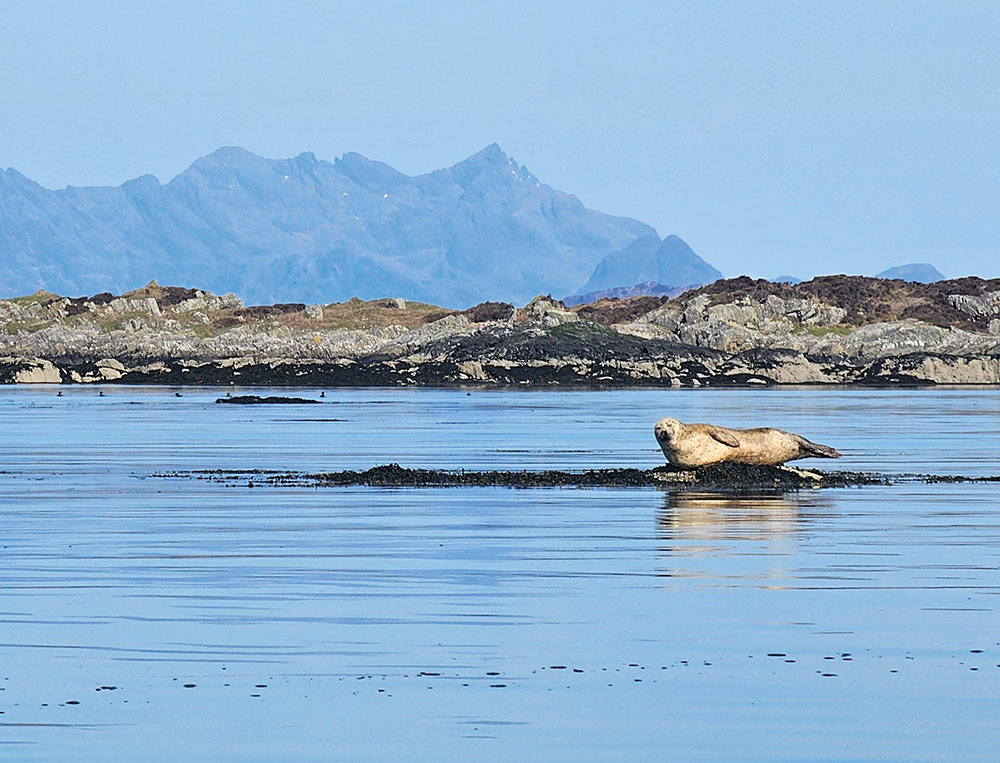
Marine life can take your breath away, paddling on the coast is not a ‘guaranteed seals or your money back’, but in certain conditions and a bit of chance, dolphins, porpoises, minke whales and in the right place at the right time, orca. Watching marine life comes with responsibility; seals, for example, can be easily disturbed and return to the sea from their sunbathing spots.
Exploring coastlines and journeying at sea, along with watching wildlife, can be done in ways that minimise disturbance by keeping a good distance and watching quietly through binoculars. Though when a minke whale breaches beside your boat – that is a moment to remember!
Moments captured on camera are great; equally great, if not more so, is the memory of the awe of seeing such animals, which will remain forever.
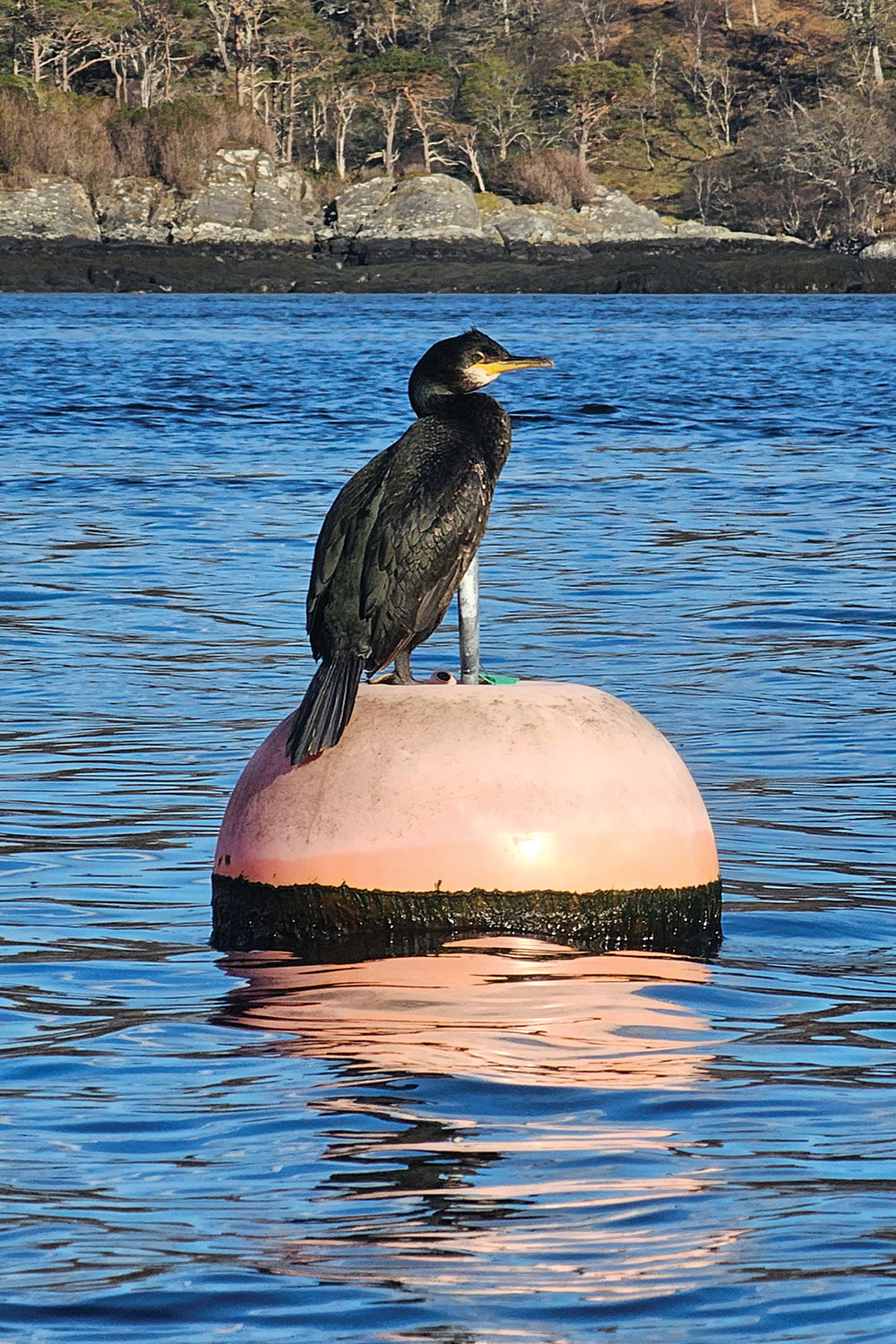
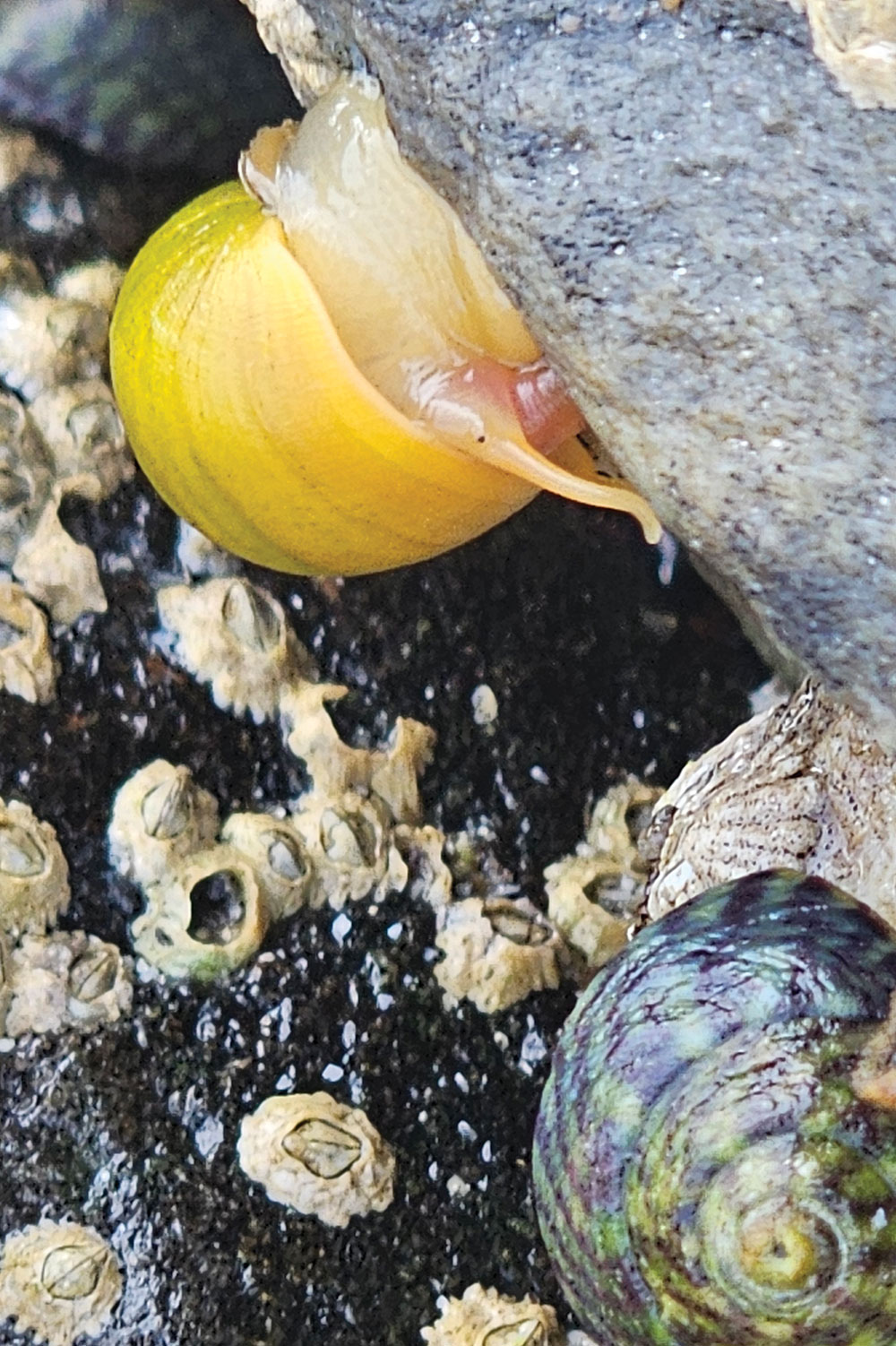
Wildlife is all around you when paddling on the sea. While a lot of focus can be on looking for seals or dolphins in the water or up in the skies for the majestic Sea Eagle, there’s more to discover. Take a closer look at what is living on the rocks: limpets, anemones, barnacles and sea slugs! An array of bright colours and creatures so small yet so significant.
Sea that glistens is not all gold
There are large areas of coastline that are damaged by marine debris; storms cause fall-offs from ships; fishing nets become tangled and become eye-sore decorations draping the rocks and beaches; fenders and buoys come loose and make homes in unwanted places. Human waste, plastic bottles, straws, and other plastics all make their way to our waters. There is a big push to clean up the coastlines and oceans to prevent pollution and reduce, and ultimately stop, the damage to marine wildlife and ecosystems.
Cleaning up inaccessible by foot locations is one way we, as paddlers, can help reduce pollution. Equally, when on expedition, take a spare dry bag and promote a five-minute cleanup at lunch or camp sites where there is washed-up debris. It is sad that such places of beauty, when given closer attention, reveal the impact of human disregard for the surrounding environment.
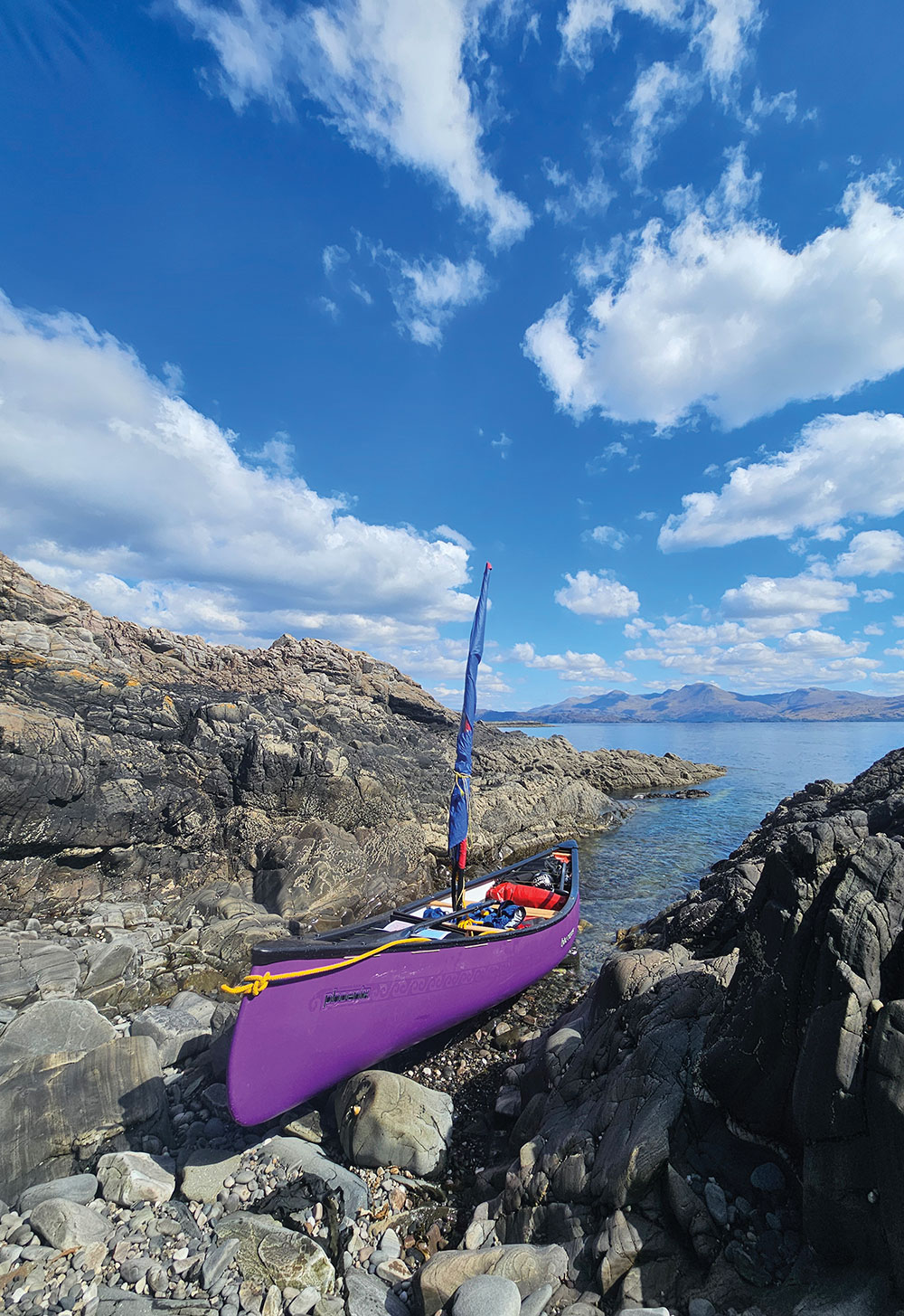
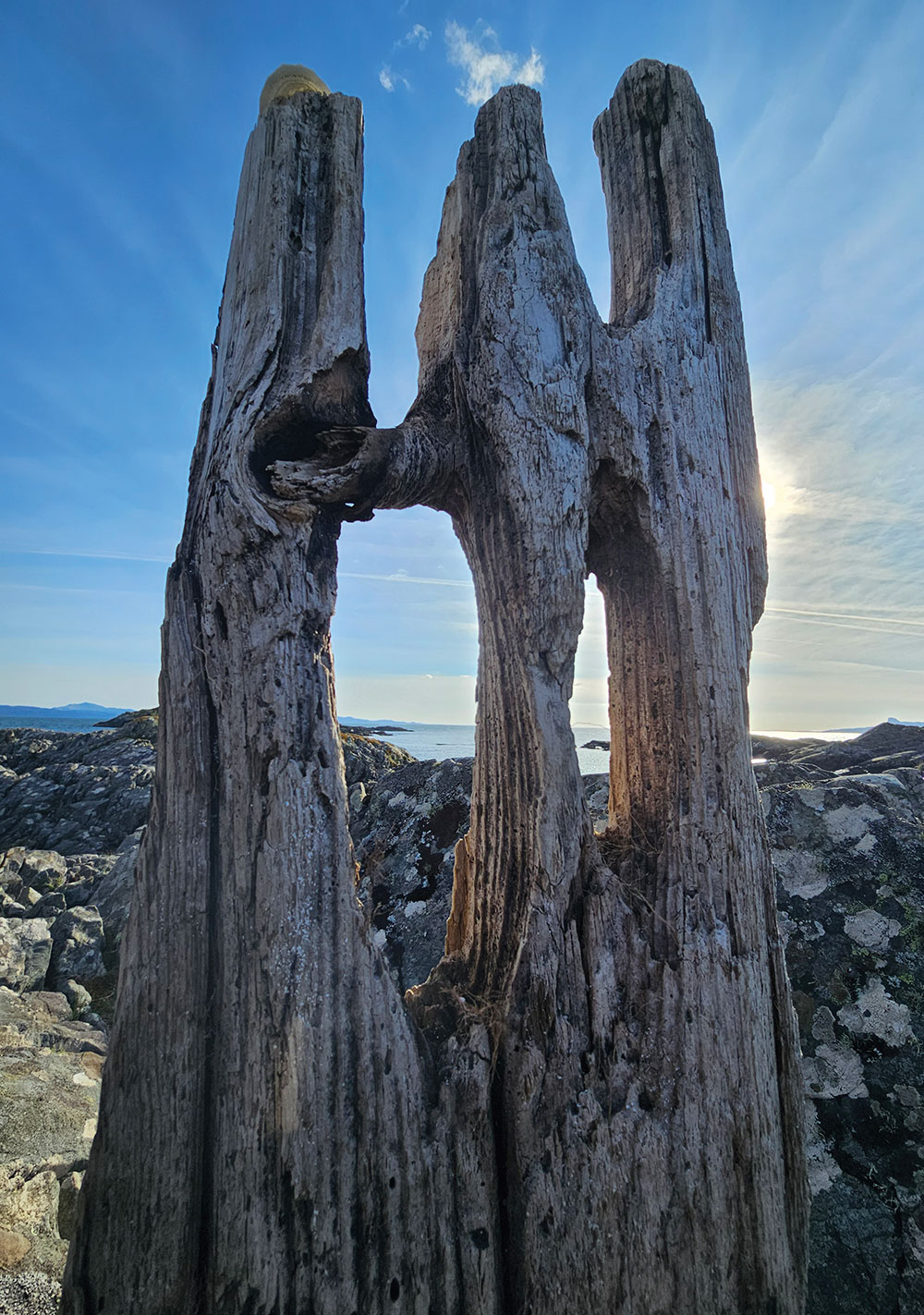
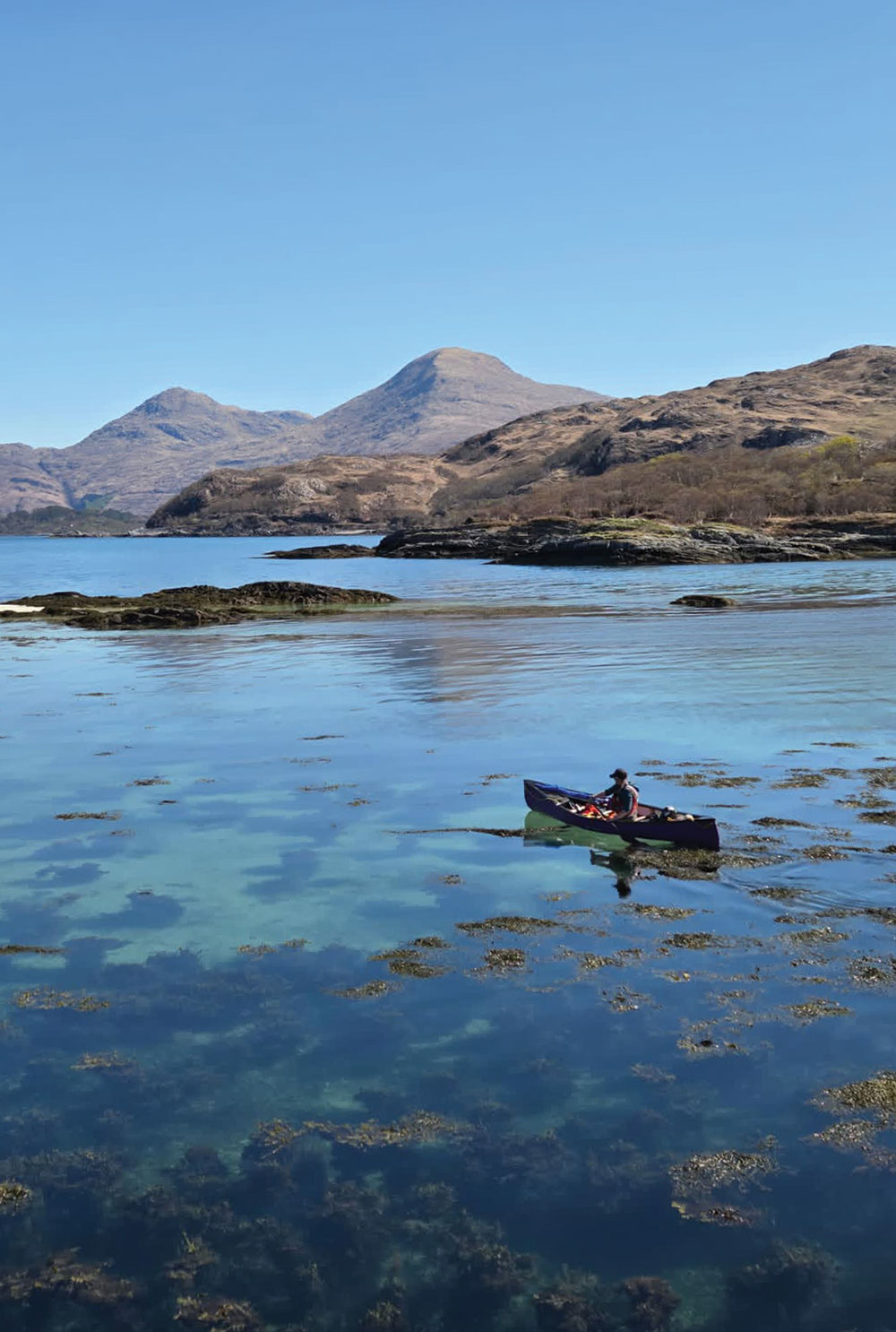
“Having been a sea kayaker, so when I got a canoe, it seemed natural to take it on the sea. I love the freedom and versatility of the canoe, whether I paddle it or sail it. It can be a journey entirely at sea or just part of a much bigger trip. It requires the application of judgment, sound choices, and an understanding of a canoe’s limitations. Timings are dictated by tide and weather rather than a nine-to-five mindset. My canoe allows me to continue those connections with a natural world far more powerful than I am. One that must be worked with and not fought. I relish my times at sea in my canoe.”
Ray Goodwin
Ray Goodwin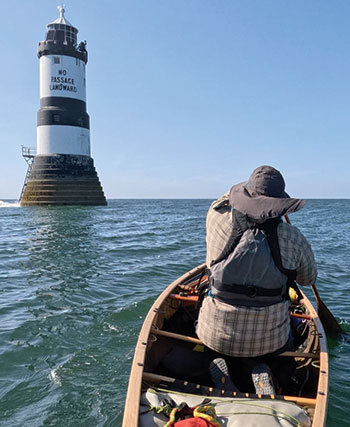
Before taking to the coastal waters
Take the time to plan and research how tides work and how they will impact your day and/or expedition. Study the map. Are there areas where a narrowing will cause a faster flow? Perhaps book a coastal navigation and tidal planning course, or find a guide with experience and knowledge of the area you plan to visit. Do you already have the knowledge? Get the map out and start planning your coastal adventure!
To help you make the most of your adventure, consider these top tips:
- Pack binoculars.
- Check the weather and the tides – multiple apps can be used for this.
- Take time to journey, often wildlife is spotted when you travel more slowly and look for it.
- Plan the trip.
- Challenge yourself, but not beyond your limits.
There are remarkable areas to paddle along the coastline, giving a sense of adventure. I hope to read about some of yours soon, too!